
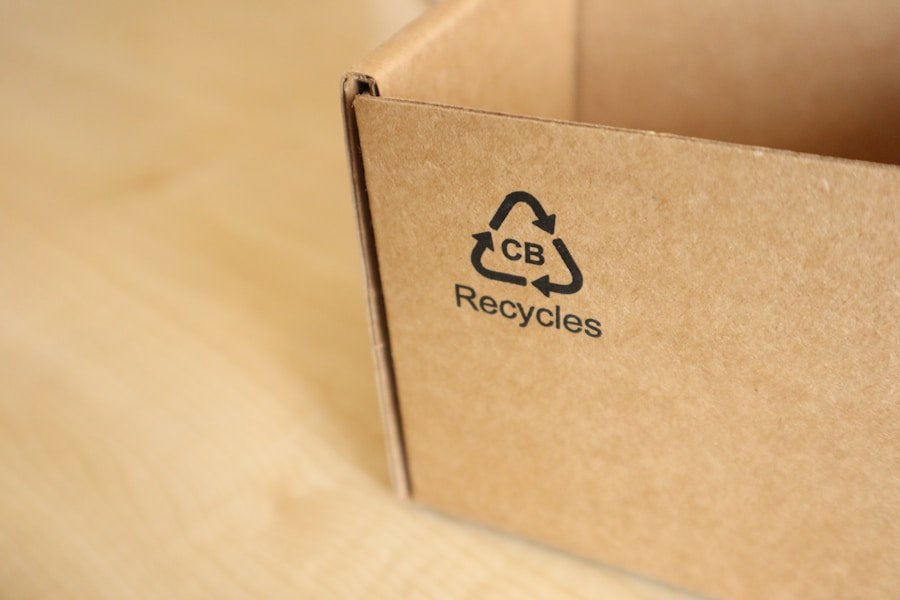
Understanding success in the eco-product market requires a clear definition of “eco product market fit.” This concept, adapted from the broader “product-market fit” popularized by entrepreneurs like Marc Andreessen, focuses on the intersection of a sustainable offering with a demonstrable market need and acceptance. It is not merely about launching an eco-friendly item; it is about creating a symbiotic relationship between a product’s environmental benefits and its target audience’s demands and willingness to adopt.
Defining Eco Product Market Fit
Eco product market fit occurs when an eco-friendly product satisfies a substantial market need in a way that resonates with target customers, who then actively embrace and advocate for it. This goes beyond the product simply existing; it signifies a demonstrable demand for its specific sustainable attributes and a perceived value that justifies its purchase and integration into consumers’ lives. The “fit” is achieved when a product’s environmental, social, or ethical claims are met with genuine user acceptance, leading to sustained demand and positive feedback.
The Problem-Solution Fit Stage
Before achieving eco product market fit, a company must first establish “problem-solution fit.” This foundational step involves validating that a genuine problem exists within the market that an eco-product can effectively address. For instance, if consumers are concerned about plastic pollution, a reusable alternative directly tackles this problem. The solution must be both practical and demonstrably eco-friendly. It is not enough to identify a vague environmental concern; the product must offer a concrete, viable, and sustainable solution to a specific pain point or unfulfilled need. This stage involves extensive market research, surveys, and potentially prototyping to confirm that the proposed sustainable solution aligns with real-world challenges faced by the target audience.
The Product-Market Fit Stage: A Broader Context
Product-market fit in its traditional sense signifies that a product satisfies a strong market demand. For eco products, this means customers are not only seeking a solution but specifically a sustainable solution. They are willing to pay for it, use it, and recommend it. The product’s green credentials are not an afterthought but an intrinsic part of its value proposition that genuinely resonates with the desired demographic. This resonance moves beyond simple awareness of environmental issues to active engagement and purchasing behavior driven by sustainable considerations. Achieving this fit is crucial for long-term viability and growth within the competitive eco-friendly consumer landscape.
Identifying Your Target Audience and Their Needs
A critical step in achieving eco product market fit is a granular understanding of the intended customer base. Unlike generic product categories, eco products often appeal to specific segments with varying levels of environmental consciousness and purchasing power.
Demographics and Psychographics of the Eco-Conscious Consumer
To effectively market an eco product, one must delineate the target audience beyond broad generalizations. Demographics, such as age, income, and geographic location, provide a basic framework. However, psychographics are equally, if not more, crucial. These include consumer values, lifestyles, attitudes towards sustainability, and motivations for making eco-friendly choices. Are they primarily driven by a desire to reduce their carbon footprint, avoid harmful chemicals, support ethical labor practices, or a combination of these factors? Understanding these underlying drivers allows for more precise product development and marketing messaging. For example, a consumer prioritizing local sourcing might respond differently than one focused solely on plastic reduction.
Uncovering Unmet Needs and Pain Points
The “problem” an eco product solves is often multifaceted. It might be an environmental problem, a health concern related to conventional products, or even an ethical dilemma. Through meticulous market research, surveys, focus groups, and analysis of existing consumption patterns, companies can pinpoint specific unmet needs that their eco product can address. Is there a gap in the market for affordable, durable reusable products? Are consumers seeking transparent supply chains? Is there a demand for biodegradable packaging solutions? These insights are the bedrock upon which successful eco products are built. Consider the market not just for what is available, but for what is missing from a sustainable perspective.
Crafting a Compelling Eco-Product Offering
Once the market and its needs are understood, the focus shifts to developing a product that genuinely fits. This involves more than just slapping a “green” label on an existing item.
Features That Deliver Real Environmental Value
The product’s features must demonstrably contribute to its eco-friendliness. This means considering the entire product lifecycle: sourcing of raw materials, manufacturing processes, transportation, use, and end-of-life disposal. For example, a “sustainable” cleaning product should not just be non-toxic; its packaging should be recyclable or compostable, and its ingredients should be responsibly sourced. Transparency regarding these features is paramount. Customers are increasingly scrutinizing green claims, and superficial approaches will quickly erode trust. The environmental value must be tangible and verifiable, forming the core of the product’s identity.
Balancing Sustainability with Performance and Cost
A significant hurdle for many eco products is the perception, and sometimes reality, of trade-offs in performance or cost. To achieve eco product market fit, a product must often match or exceed the performance of its conventional counterparts while remaining competitively priced. If an eco-friendly option is significantly less effective or substantially more expensive without a clear, compelling value proposition, its adoption will be limited. This is a tightrope walk where innovation plays a crucial role in reducing the cost of sustainable materials or manufacturing processes and enhancing the efficacy of eco-friendly formulations. The “eco” aspect should not come at the expense of functionality or affordability for the mass market.
Effective Communication and Education
Even the most innovative eco product will struggle to achieve market fit if its benefits are not clearly and convincingly communicated to the target audience.
Articulating the “Why” and the “How”
Consumers need to understand why an eco product is better and how it delivers on its sustainable promises. This involves clear, concise messaging about the environmental problem the product addresses, its unique sustainable attributes, and the positive impact its use will have. Greenwashing – making unsubstantiated or exaggerated eco claims – is detrimental and breeds mistrust. Instead, companies should focus on factual, transparent information, perhaps using certifications, lifecycle assessments, or documented sourcing practices to substantiate their claims. The narrative should empower the consumer by highlighting their role in contributing to a better future through their purchase decisions.
Overcoming Perceived Barriers to Adoption
Many consumers express a desire to be more sustainable but face perceived barriers: cost, convenience, performance, or lack of information. Effective communication involves addressing these concerns head-on. For example, if an eco product is initially more expensive, highlight its long-term cost savings, durability, or health benefits. If it requires a slight change in habit, explain how easy the transition is and the benefits derived from it. Education can transform hesitation into adoption by debunking myths and demonstrating tangible advantages. Think of it as guiding the consumer from skepticism to enthusiastic endorsement.
Measuring and Iterating for Fit
| Product | Market Fit Score | Customer Satisfaction | Market Demand |
|---|---|---|---|
| Eco-friendly Cleaning Product | 8.5 | 90% | High |
| Reusable Water Bottle | 9.2 | 95% | High |
| Solar-Powered Charger | 7.8 | 85% | Medium |
Achieving eco product market fit is not a one-time event; it is an ongoing process of measurement, feedback, and refinement.
Key Metrics for Eco Product Success
Several metrics indicate whether an eco product is resonating with its market. Beyond traditional sales figures and customer acquisition costs, look at:
- Customer retention and repeat purchases: A high rate suggests customers are genuinely satisfied with both the product and its sustainable attributes.
- Customer lifetime value (CLTV): Indicates the long-term profitability of a customer, often higher for those who align with a brand’s values.
- Net Promoter Score (NPS) or similar advocacy metrics: Measures how likely customers are to recommend the product, reflecting genuine enthusiasm and belief in its mission.
- Social media engagement and sentiment analysis: Reveals public perception and organic conversations around the product’s environmental claims.
- Specific environmental impact metrics: While harder to attribute directly to sales, measuring the reduction in waste, carbon emissions, or water usage associated with the product’s adoption supports the brand’s core mission and can be powerful messaging.
The Feedback Loop: Listen, Learn, Adapt
Establishing robust feedback mechanisms is paramount. This includes customer surveys, online reviews, social media monitoring, and direct communication channels. Actively solicit opinions on both the product’s performance and its environmental impact. Use this feedback to identify areas for improvement, whether in the product’s formulation, packaging, messaging, or pricing strategy. This iterative process, constantly adjusting the product based on real-world insights, is the engine that drives closer to optimal eco product market fit. The market is not static, and consumer preferences, especially regarding sustainability, evolve. Therefore, the product must also evolve to maintain its fit. This continuous dialogue with your market is the compass that guides your journey.
The Role of Authenticity and Transparency
In the eco-product space, trust is the bedrock of consumer loyalty. Without genuine authenticity and unwavering transparency, achieving and maintaining eco product market fit becomes challenging.
Avoiding “Greenwashing” at All Costs
Greenwashing, the practice of making unsubstantiated or misleading claims about a product’s environmental benefits, is an existential threat to eco-product market fit. Consumers are becoming increasingly discerning and skeptical. Once trust is lost due to deceptive practices, it is exceedingly difficult to regain. Authenticity demands that a company’s claims align with its actual practices. Every assertion about sustainability must be verifiable and supported by evidence. This includes everything from the sourcing of raw materials to manufacturing processes and end-of-life options. The market is increasingly unforgiving of companies that promise more than they deliver on the environmental front.
Building Trust Through Verifiable Claims and Certifications
To counter skepticism, companies should prioritize transparent communication and leverage third-party certifications where appropriate. Certifications from reputable organizations (e.g., USDA Organic, Fair Trade, B Corp, FSC) serve as external validations of environmental or social claims, providing consumers with added assurance. Beyond certifications, companies should be prepared to provide detailed information about their supply chains, material origins, testing results, and impact reports. This level of transparency fosters trust, allowing consumers to make informed choices based on factual information rather than marketing spin. It demonstrates a commitment to sustainability that extends beyond mere branding, embedding it deep within the company’s operational DNA. In essence, be an open book about your eco journey.
Conclusion
Achieving eco product market fit is a complex but rewarding endeavor. It demands a rigorous approach to understanding market needs, developing genuinely sustainable products, communicating effectively, and continuously adapting. It is a journey of aligning an eco-friendly vision with consumer reality, ensuring that the promise of a better planet is met with a product that truly resonates and thrives. By following these principles, companies can move beyond simply offering eco-friendly options and instead embed them as indispensable solutions in the market.