
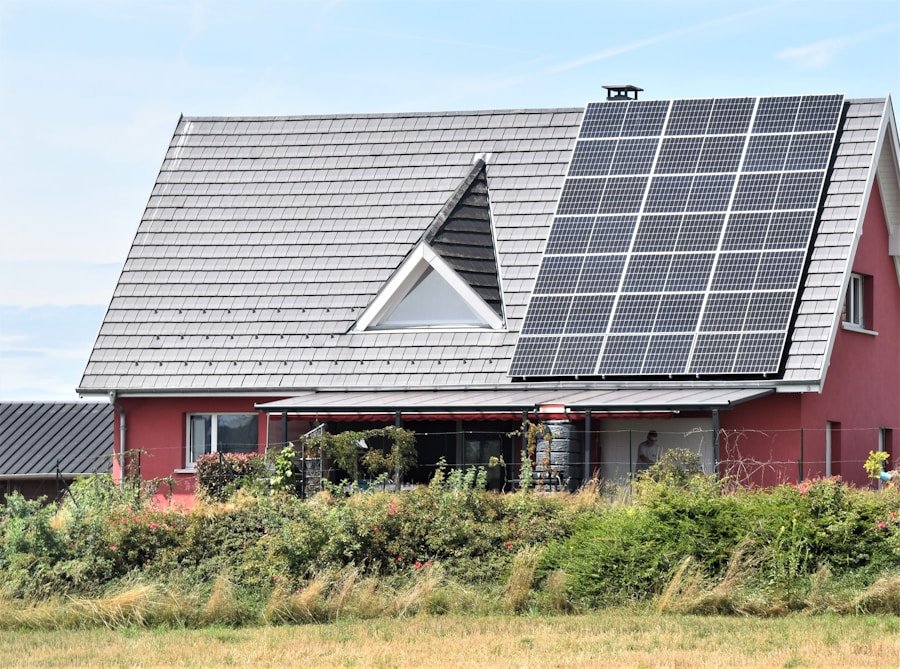
Environmental Business Diagnostics: An Overview
Environmental business diagnostics (EBD) involve the systematic assessment of an organization’s operations, products, and services to identify their environmental impacts, risks, and opportunities. This process extends beyond simple compliance audits, aiming for a comprehensive understanding of how an enterprise interacts with its natural surroundings. EBD provides a framework for organizations to measure, monitor, and manage their environmental performance, contributing to both sustainability goals and business objectives.
Purpose and Scope of EBD
The primary purpose of EBD is to furnish organizations with actionable insights into their environmental footprint. This includes the consumption of natural resources, generation of waste and emissions, and potential for ecosystem degradation. The scope of EBD can range from a narrow analysis of a specific process to a broad evaluation of an entire supply chain.
Identifying Environmental Hotspots
EBD helps pinpoint areas within an operation that contribute disproportionately to negative environmental outcomes. These “hotspots” can include energy-intensive manufacturing processes, material-intensive product designs, or waste-heavy logistics.
Assessing Regulatory Compliance Beyond the Surface
While compliance with environmental regulations is a foundational element, EBD delves deeper. It examines not just whether an organization meets legal requirements, but how effectively it manages environmental risks and integrates sustainable practices into its core operations.
Uncovering Operational Inefficiencies
Environmental degradation often correlates with inefficient resource utilization. EBD can reveal areas where resources (e.g., water, energy, raw materials) are being wasted, leading to both environmental harm and increased operational costs.
Methodology of Environmental Business Diagnostics
The implementation of EBD typically follows a structured approach, often involving a series of established diagnostic tools and techniques. This methodology ensures a consistent and thorough evaluation.
Data Collection and Analysis
Central to EBD is the collection of pertinent environmental data. This data forms the bedrock upon which subsequent analyses and recommendations are built. Accuracy and completeness are paramount in this phase.
Quantitative Data Sources
This includes metrics such as energy consumption (kWh), water usage (m³), waste generation (tonnes), and greenhouse gas emissions (CO2e). Data can be sourced from utility bills, production records, waste manifests, and direct measurements.
Qualitative Data Sources
Beyond numbers, qualitative data offers context. This may involve interviews with staff, site inspections, process flow analyses, and reviews of environmental management systems documentation. These insights provide a narrative that complements the quantitative data.
Diagnostic Tools and Techniques
Various tools and techniques are employed in EBD to interpret the collected data and draw meaningful conclusions. The selection of tools depends on the scope and objectives of the diagnostic process.
Life Cycle Assessment (LCA)
LCA is a comprehensive technique that evaluates the environmental impacts of a product, service, or process throughout its entire life cycle, from raw material extraction to end-of-life disposal. It provides a holistic view, like tracing the journey of a single drop of rain from cloud to ocean.
Material Flow Analysis (MFA)
MFA quantifies the flows of materials and energy within a defined system. It helps to identify points of loss and potential areas for resource recovery and reuse. Imagine mapping out every pipe and conduit in a complex system to understand where resources enter, are transformed, and exit.
Environmental Management System (EMS) Review
An EMS review assesses the effectiveness of an organization’s existing environmental management framework, such as one based on ISO 14001. This includes examining policies, procedures, responsibilities, and documented performance indicators.
Carbon Footprinting and Water Footprinting
These specialized diagnostics quantify an organization’s greenhouse gas emissions and water consumption, respectively. They provide precise measurements of specific environmental burdens.
The Business Case for Environmental Business Diagnostics
While environmental protection is a compelling moral imperative, EBD also presents a robust business case, translating environmental stewardship into tangible organizational benefits. It’s not just about doing good; it’s about doing well.
Risk Mitigation and Compliance Assurance
Operating without a clear understanding of environmental impacts exposes an organization to significant risks, both regulatory and reputational. EBD acts as a proactive shield.
Avoiding Fines and Penalties
Non-compliance with environmental regulations can result in substantial fines, legal action, and costly remediation efforts. EBD proactively identifies areas of potential non-compliance, allowing for timely corrective actions.
Enhancing Reputational Standing
In an era of increasing environmental awareness, an organization’s environmental performance directly impacts its reputation. EBD demonstrates a commitment to responsible operations, fostering trust among stakeholders.
Future-Proofing Against Evolving Regulations
Environmental regulations are dynamic. EBD helps organizations anticipate future regulatory trends and adapt their operations accordingly, ensuring long-term operational viability.
Operational Efficiency and Cost Reduction
Often, environmental improvements are synonymous with operational efficiencies. EBD helps uncover these win-win scenarios.
Optimizing Resource Consumption
By identifying inefficiencies in energy, water, and raw material usage, EBD paves the way for significant cost savings. Every unit of wasted resource represents an unnecessary expense.
Reducing Waste Generation and Disposal Costs
Minimizing waste streams not only lessens environmental impact but also reduces the financial burden associated with waste treatment, transportation, and disposal.
Innovation in Product and Process Design
Insights gained from EBD can drive innovation in product design, leading to more resource-efficient and environmentally friendly offerings, which can also attract new markets.
Strategic Benefits and Competitive Advantage
Beyond immediate operational improvements, EBD can confer long-term strategic advantages, positioning an organization favorably in a competitive landscape.
Attracting and Retaining Talent
Employees, particularly younger generations, increasingly seek employment with organizations that demonstrate strong environmental ethics. A commitment to sustainability, evidenced by EBD efforts, can be a powerful recruitment and retention tool.
Fostering Employee Engagement
When employees understand their role in contributing to a more sustainable operation, their engagement and morale can improve. EBD can empower employees to be part of the solution.
Meeting Investor and Stakeholder Expectations
Investors and stakeholders are increasingly scrutinizing environmental, social, and governance (ESG) performance. EBD provides the data and transparency needed to meet these evolving expectations.
Accessing Sustainable Finance
Many financial institutions offer preferential terms for organizations demonstrating strong sustainability performance. EBD provides the evidence required to access such “green finance” options.
Enhancing Brand Value
A strong environmental performance, underpinned by diligent diagnostic work, can elevate an organization’s brand value and resonance with environmentally conscious consumers. It’s like a beacon in a crowded marketplace, signaling responsible practices.
Driving Innovation and Market Differentiation
EBD can be a catalyst for innovation, leading to new products, services, and business models that offer a competitive edge.
Developing Eco-Efficient Products
By understanding the environmental impacts of existing products, organizations can design new ones that are inherently more sustainable, capturing the growing market for eco-friendly goods.
Exploring Circular Economy Opportunities
EBD can highlight opportunities to transition from a linear “take-make-dispose” model to a circular economy, where resources are kept in use for as long as possible. This can involve new business models like product-as-a-service or enhanced reuse and recycling initiatives.
Implementing Environmental Business Diagnostics: Practical Considerations
| Environmental Business Diagnostics Metrics | Importance |
|---|---|
| Carbon footprint | Measures the impact of greenhouse gas emissions |
| Water usage | Assesses the amount of water used in business operations |
| Waste generation | Evaluates the volume of waste produced and its disposal methods |
| Energy consumption | Determines the amount of energy used and opportunities for efficiency |
The successful implementation of EBD requires careful planning and a commitment to integrating environmental considerations into core business processes.
Defining Objectives and Scope
Before embarking on an EBD initiative, it is crucial to clearly define the objectives and scope of the assessment. What specific environmental impacts are being investigated? What business units or products are included?
Setting SMART Goals
Objectives should be Specific, Measurable, Achievable, Relevant, and Time-bound (SMART). This ensures clarity and provides benchmarks for success.
Stakeholder Engagement
Involving relevant internal and external stakeholders from the outset ensures buy-in and a more comprehensive understanding of environmental touchpoints.
Resource Allocation and Expertise
EBD requires dedicated resources, both financial and human, and often specialized expertise.
Internal Capabilities vs. External Consultants
Organizations may choose to develop internal EBD capabilities or engage external consultants with specialized knowledge and tools. A hybrid approach can also be effective.
Training and Capacity Building
If pursuing internal capabilities, investing in training for staff on EBD methodologies and tools is essential.
Data Management and Reporting
Effective data management and clear reporting are crucial for translating diagnostic findings into actionable strategies.
Establishing a Robust Data System
Implementing systems for collecting, storing, and analyzing environmental data ensures accuracy and accessibility.
Transparent Communication of Results
Reporting findings clearly and transparently to internal and external stakeholders builds trust and facilitates decision-making. This may involve formal reports, dashboards, or sustainability disclosures.
The Future of Environmental Business Diagnostics
EBD is an evolving field, continuously integrating new technologies and methodologies to provide ever more precise and actionable insights.
Emerging Technologies and Advanced Analytics
The integration of advanced technologies like artificial intelligence (AI), machine learning, and sensor technology is transforming EBD.
Predictive Environmental Modeling
AI and machine learning can be used to predict future environmental impacts based on operational changes, allowing for proactive mitigation strategies.
Real-time Environmental Monitoring
Sensor technology enables continuous, real-time monitoring of environmental parameters, providing immediate feedback on performance. This moves beyond periodic snapshots to a continuous stream of data, much like switching from a still photograph to a live video feed.
Integration with Broader Sustainability Initiatives
EBD is becoming increasingly integrated with broader corporate sustainability strategies, moving beyond isolated environmental assessments.
Holistic ESG Integration
EBD is a critical component of comprehensive ESG reporting and management, providing the environmental data necessary for a complete picture of an organization’s sustainability performance.
Supporting Circular Economy Transitions
As organizations move towards more circular business models, EBD will play a pivotal role in identifying opportunities for resource looping, product longevity, and waste reduction throughout value chains.
In conclusion, environmental business diagnostics serve as a critical compass for organizations navigating the complexities of environmental responsibility and sustainable development. By systematically unveiling environmental impacts and opportunities, EBD empowers businesses to not only minimize harm but also to unlock new avenues for efficiency, innovation, and strategic advantage. The continuous evolution of EBD methodologies and technologies ensures its enduring relevance in a world increasingly demanding responsible corporate stewardship.