
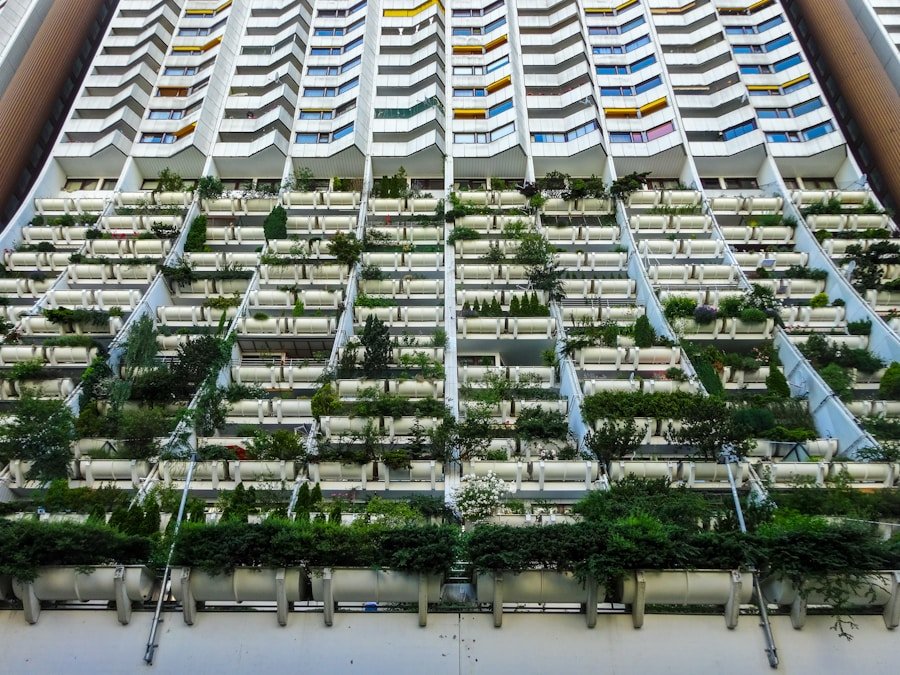
Circular living is a concept that has gained traction in recent years as a response to the growing environmental challenges facing urban areas. The idea behind circular living is to create a sustainable and regenerative system that minimizes waste and maximizes the use of resources. This approach involves rethinking the way we design, produce, and consume goods and services, with the goal of creating a closed-loop system where materials are reused, recycled, or repurposed. Circular living also emphasizes the importance of community engagement and collaboration in order to create a more resilient and equitable urban environment.
Paris: Leading the Way in Sustainable Urban Development
Paris has emerged as a global leader in sustainable urban development, with a strong commitment to circular living principles. The city has implemented a number of innovative initiatives aimed at reducing waste, promoting energy efficiency, and fostering community engagement. One notable example is the “Reinventing Paris” project, which seeks to transform underutilized urban spaces into vibrant, sustainable developments. Paris has also made significant investments in green infrastructure, such as the creation of urban forests and the expansion of public transportation options. These efforts have not only improved the city’s environmental performance but have also enhanced the quality of life for its residents.
Paris has also taken steps to promote circular living in the business sector, with initiatives aimed at reducing waste and promoting sustainable production practices. The city has implemented a circular economy roadmap, which outlines specific targets for reducing waste and increasing resource efficiency. Paris has also established a network of “circular economy incubators” to support businesses in adopting circular living principles. These efforts have helped to create a more sustainable and resilient urban economy, while also fostering innovation and entrepreneurship.
Dubai: Innovations in Green Infrastructure and Energy Efficiency
Dubai has made significant strides in promoting sustainable urban development, with a focus on green infrastructure and energy efficiency. The city has invested heavily in renewable energy sources, such as solar power, and has implemented strict building codes to promote energy-efficient design. Dubai has also made significant investments in green infrastructure, such as the creation of urban parks and the expansion of public transportation options. These efforts have not only reduced the city’s carbon footprint but have also improved the overall livability of urban areas.
Dubai has also taken steps to promote circular living through innovative waste management initiatives. The city has implemented a comprehensive recycling program, which has helped to reduce the amount of waste sent to landfills. Dubai has also invested in advanced waste-to-energy technologies, which convert organic waste into renewable energy sources. These efforts have not only reduced the city’s environmental impact but have also created new economic opportunities in the renewable energy sector.
San José: A Model for Community Engagement and Waste Management
San José has emerged as a model for community engagement and waste management, with a strong commitment to circular living principles. The city has implemented a number of innovative initiatives aimed at reducing waste, promoting recycling, and fostering community participation. One notable example is the “Zero Waste Plan,” which aims to divert 100% of the city’s waste from landfills by 2022. San José has also implemented a comprehensive composting program, which has helped to reduce the amount of organic waste sent to landfills. These efforts have not only improved the city’s environmental performance but have also fostered a sense of community pride and engagement.
San José has also taken steps to promote circular living through partnerships with local businesses and organizations. The city has established a network of “zero waste businesses,” which are committed to reducing waste and promoting sustainable production practices. San José has also implemented a “circular economy accelerator” program, which provides support and resources for businesses looking to adopt circular living principles. These efforts have helped to create a more sustainable and resilient urban economy, while also fostering innovation and entrepreneurship.
Comparing Circular Living Initiatives: Key Metrics and Outcomes
When comparing circular living initiatives in Paris, Dubai, and San José, several key metrics and outcomes stand out. In terms of waste management, all three cities have made significant progress in reducing the amount of waste sent to landfills through comprehensive recycling and composting programs. Paris has been particularly successful in promoting circular living in the business sector, with initiatives aimed at reducing waste and promoting sustainable production practices. Dubai has made significant investments in green infrastructure and renewable energy sources, which have helped to reduce the city’s carbon footprint and improve overall livability. San José has emerged as a model for community engagement, with initiatives aimed at fostering a sense of community pride and participation in waste management efforts.
In terms of energy efficiency, all three cities have made significant investments in renewable energy sources and energy-efficient design. Paris has implemented strict building codes to promote energy-efficient design, while Dubai has invested heavily in solar power and other renewable energy sources. San José has also made significant progress in promoting energy efficiency through partnerships with local businesses and organizations.
Challenges and Opportunities for Advancing Circular Living in Urban Environments
While there have been significant successes in advancing circular living in urban environments, there are also several challenges that need to be addressed. One of the main challenges is changing consumer behavior and promoting sustainable consumption habits. This will require education and outreach efforts to raise awareness about the benefits of circular living and encourage people to adopt more sustainable lifestyles.
Another challenge is creating the necessary infrastructure to support circular living initiatives, such as recycling facilities and composting programs. This will require significant investments in green infrastructure and waste management systems, as well as partnerships with local businesses and organizations.
Despite these challenges, there are also significant opportunities for advancing circular living in urban environments. One opportunity is leveraging new technologies and innovations to create more sustainable production processes and reduce waste. This could include the development of advanced recycling technologies and waste-to-energy systems.
Another opportunity is fostering collaboration and partnerships between government agencies, businesses, and community organizations to promote circular living principles. This could involve creating incentives for businesses to adopt sustainable production practices and providing support for community-led initiatives.
The Future of Circular Living: Lessons Learned and Best Practices for Global Adoption
As cities around the world continue to grapple with environmental challenges, circular living offers a promising approach for creating more sustainable and resilient urban environments. By rethinking the way we design, produce, and consume goods and services, cities can reduce their environmental impact and create new economic opportunities.
One key lesson learned from cities like Paris, Dubai, and San José is the importance of community engagement in promoting circular living principles. By fostering a sense of community pride and participation, cities can create a more resilient and equitable urban environment.
Another lesson learned is the importance of partnerships between government agencies, businesses, and community organizations in advancing circular living initiatives. By working together, cities can create more sustainable production processes, reduce waste, and promote energy efficiency.
In order to promote global adoption of circular living principles, cities will need to share best practices and lessons learned with one another. This could involve creating networks for knowledge exchange and collaboration between cities around the world.
Overall, the future of circular living looks promising, with cities around the world increasingly embracing this approach as a way to create more sustainable and resilient urban environments. By learning from the successes of cities like Paris, Dubai, and San José, cities can work together to promote circular living principles on a global scale.