
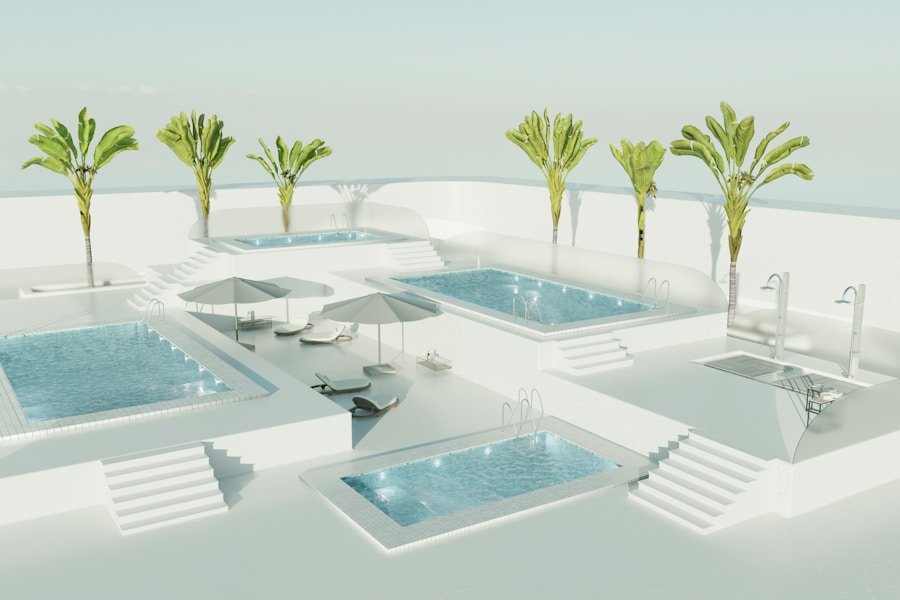
Floating spa concepts refer to a range of innovative wellness treatments designed to promote relaxation and rejuvenation through the utilization of water, sensory deprivation, and specialized environments. These concepts move beyond traditional spa modalities by creating immersive experiences that isolate the user from external stimuli, allowing for a profound state of rest and recovery. This guide explores the core principles, various manifestations, and potential benefits of these evolving spa offerings.
The Foundational Principles of Floating Wellness
At the heart of most floating spa concepts lies a deliberate manipulation of the sensory environment. The aim is to gently detach the individual from the constant barrage of external information that characterizes modern life. This detachment serves as a catalyst for profound physical and mental release.
Sensory Deprivation and its Physiological Impact
Sensory deprivation, often achieved through float tanks or specialized rooms, is a key element. By minimizing sights, sounds, and tactile sensations, the brain is encouraged to shift its focus inward.
Reduced Cortical Stimulation
When the brain receives less external input, the default mode network (DMN), associated with self-referential thought and rumination, becomes less active. This reduction in activity allows for a state of mental calm, akin to a still pond reflecting a clear sky. Research in neuroscience indicates that this decreased neural chatter can lead to improved focus and a reduction in stress hormones like cortisol.
Easing Musculoskeletal Tension
The buoyant medium, typically a solution of Epsom salts (magnesium sulfate) and water, allows the body to float effortlessly. This zero-gravity effect removes the constant pull of gravity on the musculoskeletal system. Muscles can fully relax, releasing accumulated tension that may have built up through posture, exercise, or daily stress. This alleviation of physical strain can be felt throughout the body, from the neck and shoulders to the lower back.
The Role of Water and Buoyancy
Water, in its various forms and temperatures, plays a central role in these spa concepts. Its inherent properties of warmth, fluidity, and supporting weight contribute significantly to the therapeutic experience.
Thermal Regulation and Muscle Relaxation
Warm water, maintained at skin temperature (around 93.5°F or 34°C), provides a constant and comforting sensation. This neutral temperature prevents the body from expending energy to regulate its internal heat, allowing more resources to be directed towards relaxation and repair. The warmth also promotes vasodilation, increasing blood flow to muscles and facilitating the removal of metabolic waste products.
The Psychological Effect of Buoyancy
The feeling of being suspended and weightless in water can evoke a sense of freedom and release. This lack of physical grounding can provide a mental departure from worldly concerns, allowing the mind to drift and reset. It’s a feeling of being cradled, allowing anxieties to gently drift away.
Diverse Manifestations of Floating Spa Concepts
While the core principles remain consistent, the practical application of floating concepts has spawned a variety of distinct spa experiences. These variations cater to different preferences and therapeutic goals.
The Float Tank Experience
The most common and widely recognized form of floating spa is the float tank, also known as a sensory deprivation tank or isolation tank. These enclosed pods are designed to create an optimal environment for floating.
Design and Operation of Float Tanks
Float tanks are typically enclosed capsules filled with a highly concentrated Epsom salt solution. The density of the salt allows for effortless buoyancy, making it feel as though one is floating on air. The interior is designed to be dark and soundproof, minimizing external distractions. Users typically spend between 60 and 90 minutes in the tank.
The Internal Environment
Inside the tank, the water temperature is precisely controlled to match body temperature, creating a seamless transition between the skin and the water. This eliminates the sensation of temperature being a boundary, further enhancing the feeling of immersion. The absence of light and sound acts as a gentle, persistent lullaby for the nervous system.
Aquatic Immersion Therapy
Beyond the confines of a float tank, aquatic immersion therapy encompasses a broader range of water-based treatments that emphasize floating and gentle movement in larger bodies of water.
Hydrotherapy Pools and Tanks
Specialized hydrotherapy pools, often larger than individual float tanks, are designed to accommodate more movement and may incorporate additional features like gentle water jets or varying depths. These can facilitate gentle stretching or simply offer a more expansive sense of space for floating.
The Watsu® Experience
Watsu® is a well-known form of aquatic bodywork that takes place in a warm water pool. A practitioner cradles and supports the recipient while guiding them through a series of gentle stretches, cradles, and movements. The buoyancy of the water supports both the practitioner and the recipient, allowing for a deep sense of release and connection. This can be likened to being gently rocked by an ocean current, shedding the weight of the world.
Sensory Immersion Pods and Rooms
Some modern spa facilities have developed more technologically advanced sensory immersion environments that go beyond simple water flotation. These often combine water, light, sound, and even scent to create multisensory experiences.
Customizable Environments
These pods or rooms allow for a greater degree of customization. Users can often choose from pre-programmed sequences of light, sound, and temperature, or even create their own personalized relaxation journey. This offers a tailored escape, like a personalized aurora borealis of tranquility.
Integrated Technologies
Advanced systems may incorporate features like chromotherapy (light therapy), sound therapy (including binaural beats or ambient music), and aromatherapy. These elements work in concert to either enhance the floating experience or create entirely new forms of sensory engagement designed to promote specific states of relaxation or rejuvenation.
The Benefits of Floating Spa Concepts
The immersive nature of floating spa concepts has been linked to a range of physical and psychological benefits. These effects are often cumulative, with regular sessions yielding more profound results.
Stress Reduction and Mental Well-being
The core of floating spa benefits lies in its ability to significantly reduce stress and promote mental clarity.
Lowering Cortisol and Adrenaline Levels
By reducing external stimuli and promoting a state of deep relaxation, floating has been shown to lower levels of stress hormones such as cortisol and adrenaline. This physiological shift can have a calming effect on the entire body, mitigating the chronic stress response.
Enhancing Mindfulness and Self-Awareness
The quiet introspection fostered by floating can lead to increased mindfulness and a greater sense of self-awareness. Without external distractions, individuals are often better able to connect with their internal thoughts and emotions, gaining new perspectives and insights. It’s an opportunity to meet yourself in a quiet, unhurried space.
Physical Restoration and Pain Relief
The physical aspects of floating contribute to bodily rejuvenation and can offer relief from various forms of discomfort.
Alleviating Musculoskeletal Pain
The zero-gravity effect of buoyancy alleviates pressure on joints and muscles, making it particularly beneficial for individuals suffering from chronic pain, arthritis, or muscle soreness. This release of pressure can be like a gentle untangling of knotted threads within the body.
Improving Sleep Quality
Many individuals report improved sleep quality after experiencing floating spa treatments. The deep relaxation induced by floating can help to reset the body’s natural sleep-wake cycle, leading to more restful and restorative sleep.
Cognitive Enhancement and Creativity
Beyond immediate relaxation, some users report cognitive improvements and a boost in creative thinking.
Increased Cognitive Function
Studies suggest that the reduction in neural noise and the meditative state achieved during floating can contribute to improved focus, concentration, and problem-solving abilities. The mind, freed from constant demands, can operate with greater clarity.
Stimulating Creativity
The uninhibited mental space created by floating can be a fertile ground for creative ideas to emerge. With fewer external limitations, the mind is free to explore new connections and associations.
Considerations for Experiencing Floating Spa Treatments
While generally safe and beneficial, there are a few considerations for individuals interested in exploring floating spa concepts. Understanding these can help ensure a positive and effective experience.
Pre-Treatment Preparations
A few simple steps can help optimize the floating experience.
Hydration and Avoiding Stimulants
It is generally advisable to stay hydrated and avoid caffeine or heavy meals for a few hours before a float session. This helps to ensure the body is in a relaxed state and less prone to discomfort.
Skincare and Personal Hygiene
Ensuring clean skin is important. Many facilities provide cleansing facilities, and it is often recommended to shower before entering the float tank. Avoiding lotions that might affect water clarity is also a consideration.
Post-Treatment Integration
The period after a float session is crucial for integrating the benefits.
Allowing for a Gradual Re-entry
It is beneficial to allow for a period of quiet reflection after exiting the float tank or pool. Avoid immediately engaging in demanding mental or physical activities. This allows the body and mind to transition back to a more alert state gently.
Recognizing and Sustaining Benefits
Pay attention to how you feel after the session. Many individuals find that the benefits of floating, such as reduced stress and improved clarity, can extend for several days. Regular sessions are often recommended to sustain these positive changes.
The Future of Floating Spa Innovations
| Concept | Benefits |
|---|---|
| Floating Spa | Relaxation, stress reduction, pain relief, improved sleep |
| Floating Therapy | Mental clarity, enhanced creativity, reduced anxiety |
| Floating Tank | Sensory deprivation, meditation, deep relaxation |
The domain of floating spa concepts is not static. Ongoing innovation is exploring new ways to enhance these relaxation experiences.
Integration with Other Wellness Modalities
The trend is towards combining floating with other therapeutic practices.
Combining with Mindfulness and Meditation Programs
Floating can serve as an ideal prelude or follow-up to guided meditation or mindfulness programs. The quiet state achieved in the float tank can make users more receptive to such practices, amplifying their effects.
Synergistic Treatments
Imagine a spa offering: a gentle float followed by a targeted massage, or a sound bath experience that seamlessly transitions into an aquatic immersion. These synergistic approaches aim to create a holistic wellness journey.
Technological Advancements in Sensory Immersion
The ongoing evolution of technology promises even more sophisticated floating spa experiences.
Advanced Biometric Feedback Systems
Future innovations may include systems that monitor physiological responses like heart rate variability or brainwave activity during a float session, providing personalized feedback for deeper relaxation and stress management.
Virtual and Augmented Reality Integration
While seemingly counterintuitive to sensory deprivation, some researchers are exploring the potential of integrating carefully curated visual and auditory elements within controlled environments to guide users into specific mental states, offering a controlled exploration of inner landscapes.
The ultimate guide to floating spa concepts reveals a sophisticated approach to well-being, leveraging the fundamental properties of water and controlled sensory environments to unlock profound states of relaxation and rejuvenation. As these concepts continue to evolve, they offer a compelling pathway to counter the demands of modern life and nurture holistic health.