
As we stand on the cusp of a new era, it is becoming increasingly clear that the future of our planet depends on our ability to embrace regenerative practices in all aspects of our lives. The current state of the environment, coupled with the growing awareness of the need for sustainable living, has paved the way for a regenerative future. This future is one in which we prioritize the restoration and renewal of natural resources, rather than simply exploiting them for short-term gain. In this article, we will explore five key predictions for the regenerative future, from the rise of regenerative agriculture to the integration of regenerative design in urban planning. These predictions offer a glimpse into the potential for positive change and sustainable living in the years to come.
Prediction 1: The Rise of Regenerative Agriculture
One of the most significant predictions for the regenerative future is the rise of regenerative agriculture. This approach to farming focuses on restoring and enhancing the health of the soil, rather than depleting it through conventional farming practices. Regenerative agriculture emphasizes the use of cover crops, crop rotation, and minimal tillage to improve soil health and sequester carbon. As consumers become more aware of the environmental impact of their food choices, there is a growing demand for regeneratively grown produce. This shift towards regenerative agriculture has the potential to not only improve the health of our planet, but also to create more resilient and sustainable food systems.
In addition to its environmental benefits, regenerative agriculture also offers economic advantages for farmers. By improving soil health and reducing the need for chemical inputs, regenerative practices can lead to higher yields and lower production costs. As a result, more farmers are beginning to embrace regenerative agriculture as a way to not only protect the environment, but also to improve their bottom line. With the rise of regenerative agriculture, we have the potential to transform our food systems and create a more sustainable future for generations to come.
Prediction 2: The Mainstream Adoption of Renewable Energy
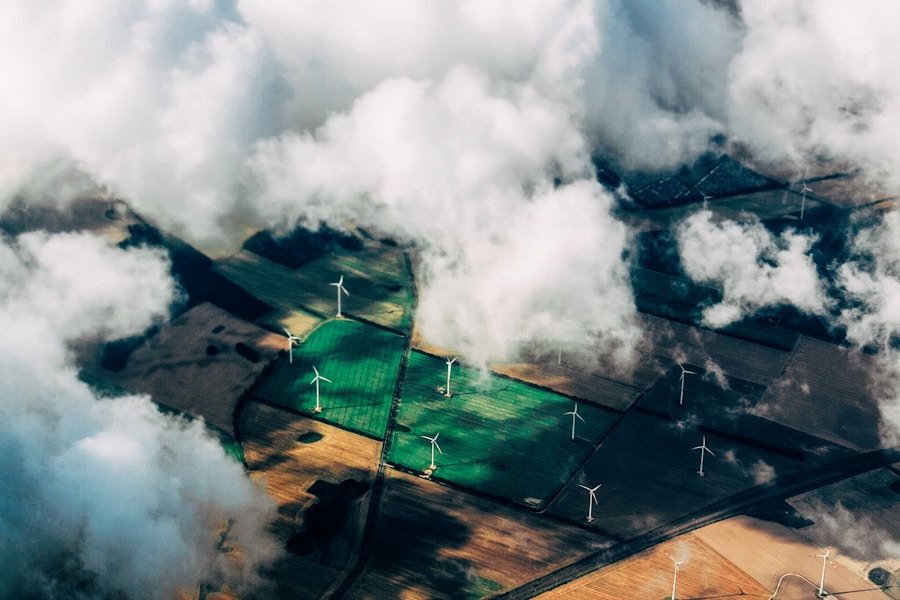
Another key prediction for the regenerative future is the mainstream adoption of renewable energy. As the world grapples with the impacts of climate change, there is a growing urgency to transition away from fossil fuels and towards clean, renewable sources of energy. In recent years, we have seen significant advancements in solar, wind, and hydroelectric power, making these technologies more accessible and affordable than ever before. As a result, renewable energy is becoming increasingly mainstream, with more individuals and businesses choosing to power their lives with clean energy sources.
The adoption of renewable energy offers numerous benefits for both the environment and the economy. By reducing our reliance on fossil fuels, we can significantly decrease greenhouse gas emissions and mitigate the impacts of climate change. Additionally, renewable energy creates new opportunities for job growth and economic development, particularly in rural and underserved communities. As we continue to invest in renewable energy infrastructure and technology, we have the potential to create a more sustainable and resilient energy system for future generations.
Prediction 3: The Emergence of Circular Economy Practices
In addition to regenerative agriculture and renewable energy, another key prediction for the regenerative future is the emergence of circular economy practices. The traditional linear economy model, in which resources are extracted, used, and disposed of, is no longer sustainable in a world with finite resources and growing waste streams. The circular economy offers a new approach, one in which resources are kept in use for as long as possible, and then recycled or repurposed at the end of their life cycle. This shift towards a circular economy has the potential to significantly reduce waste and minimize environmental impact.
Circular economy practices are already gaining traction in various industries, from fashion and textiles to electronics and manufacturing. Companies are beginning to prioritize product design that allows for easy disassembly and recycling, as well as implementing take-back programs to ensure that products are properly recycled at the end of their life cycle. Additionally, consumers are becoming more conscious of their purchasing decisions, choosing products that are made from recycled materials or designed for longevity. As circular economy practices continue to gain momentum, we have the potential to create a more sustainable and resource-efficient future.
Prediction 4: The Transformation of Transportation
The transformation of transportation is another key prediction for the regenerative future. As we look towards a more sustainable future, it is clear that our current transportation systems are not environmentally or economically viable in the long term. The rise of electric vehicles (EVs) and advancements in battery technology are paving the way for a cleaner and more efficient transportation system. In addition to EVs, there is also growing interest in alternative modes of transportation, such as public transit, biking, and walking. These shifts towards more sustainable transportation options have the potential to reduce emissions and improve air quality in urban areas.
In addition to reducing emissions, transforming transportation also offers economic benefits. By investing in public transit infrastructure and promoting active transportation options, we can create new opportunities for job growth and economic development. Additionally, transitioning away from fossil fuel-powered vehicles can reduce our dependence on oil imports and create new markets for clean energy technologies. As we continue to invest in sustainable transportation solutions, we have the potential to create healthier and more livable communities for all.
Prediction 5: The Integration of Regenerative Design in Urban Planning
The integration of regenerative design in urban planning is another key prediction for the regenerative future. As our cities continue to grow and evolve, there is a growing need for sustainable and resilient urban environments. Regenerative design emphasizes the use of natural systems and processes to create healthy and vibrant communities. This approach to urban planning prioritizes green spaces, energy-efficient buildings, and sustainable infrastructure to minimize environmental impact and enhance quality of life.
In addition to its environmental benefits, regenerative design also offers social and economic advantages for urban communities. By prioritizing green spaces and sustainable infrastructure, cities can improve air quality, reduce heat island effects, and create new opportunities for recreation and community engagement. Additionally, regenerative design can lead to cost savings through reduced energy consumption and improved public health outcomes. As we continue to integrate regenerative design principles into urban planning, we have the potential to create more resilient and equitable cities for all.
Embracing the Regenerative Future
In conclusion, the predictions outlined in this article offer a glimpse into the potential for positive change and sustainable living in the years to come. From regenerative agriculture to renewable energy, circular economy practices, sustainable transportation, and regenerative design in urban planning, there are numerous opportunities to embrace a regenerative future. By prioritizing restoration and renewal in all aspects of our lives, we have the potential to create a more sustainable and resilient world for future generations. It is up to each one of us to embrace these predictions and work towards a regenerative future that benefits both people and planet. Together, we can build a world that is healthier, more equitable, and more prosperous for all.