
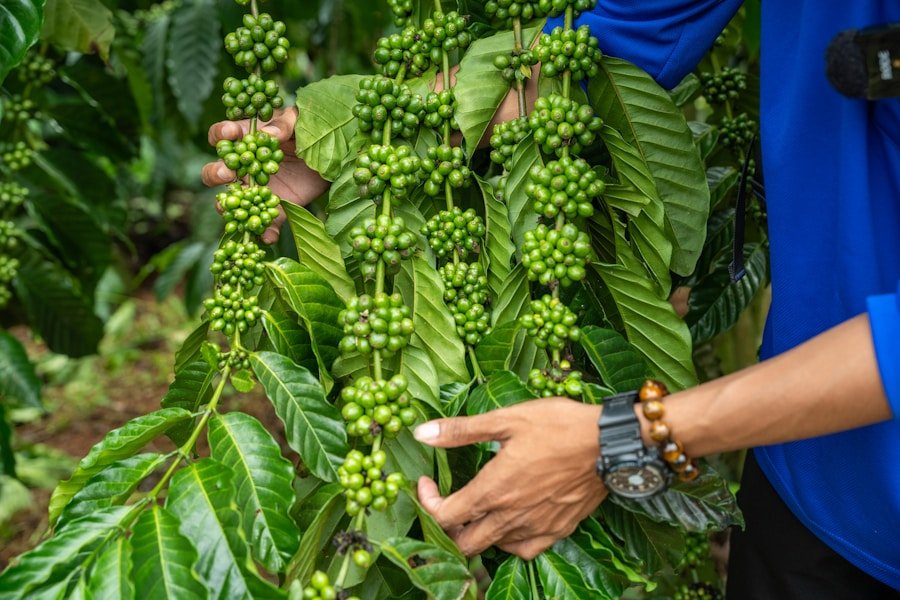
The sourcing of raw materials and intermediate goods for production has become a complex phenomenon, extending across geographical borders and involving a multitude of actors. “Ethical sourcing,” a subset of this broader activity, focuses on ensuring that the procurement process adheres to principles of social responsibility, environmental sustainability, and fairness. Its impact on global supply chains is a multifaceted issue, influencing everything from corporate reputation and financial performance to the well-being of workers and the health of the planet.
Defining Ethical Sourcing
Ethical sourcing is not a monolithic concept; its interpretation can vary depending on industry, region, and organizational priorities. At its core, it involves making conscious decisions about where and how materials are obtained, considering the broader consequences of these choices.
Principles of Ethical Sourcing
Several key principles underpin ethical sourcing:
- Fair Labor Practices: This encompasses ensuring safe working conditions, fair wages, reasonable working hours, and the absence of forced labor or child labor throughout the supply chain. It means looking beyond the direct supplier to acknowledge the working conditions of those further down the chain.
- Environmental Sustainability: Ethical sourcing seeks to minimize the environmental footprint of production processes. This includes reducing pollution, conserving natural resources, promoting biodiversity, and utilizing renewable energy. It’s about leaving the earth in a better state than we found it.
- Transparency and Traceability: Knowing the origin of materials and understanding the processes involved in their production is crucial. This allows for accountability and the identification of potential ethical breaches. A transparent supply chain is like an open book, where every chapter can be read.
- Animal Welfare: For industries relying on animal products, ethical sourcing extends to ensuring humane treatment and minimizing animal suffering.
- Community Impact: Consideration is given to the social and economic impact on communities where sourcing takes place, including respecting indigenous rights and supporting local development.
Distinguishing Ethical Sourcing from Compliance
While compliance with existing laws and regulations is a baseline for ethical sourcing, it is not the entirety of it. Ethical sourcing often goes beyond legal requirements, proactively addressing potential issues and striving for continuous improvement. Compliance can be seen as the minimum gate one must pass through, while ethical sourcing is the ongoing journey of responsible stewardship.
The Transformative Influence on Supply Chain Dynamics
The integration of ethical sourcing principles into supply chain management necessitates a fundamental shift in how businesses operate. It transforms linear models into more interconnected and responsive networks.
Reshaping Supplier Relationships
Traditional supplier relationships were often transactional, focused primarily on cost and delivery. Ethical sourcing demands a more collaborative and long-term approach.
- Auditing and Assessment: Companies are increasingly implementing rigorous auditing processes to assess suppliers’ adherence to ethical standards. This involves site visits, interviews with workers, and document reviews. These audits are not meant to be punitive but rather diagnostic tools to identify areas for improvement.
- Capacity Building and Training: Rather than simply dropping suppliers who fail to meet standards, many companies engage in capacity-building initiatives. This can include providing training on safety protocols, labor rights, or sustainable practices. It’s like mentoring a student to succeed, rather than disqualifying them for a first-time mistake.
- Partnership and Shared Responsibility: True ethical sourcing fosters a sense of shared responsibility between buyers and suppliers. This partnership approach encourages open communication and a collective commitment to ethical conduct.
Enhancing Traceability and Transparency
The pursuit of ethical sourcing has been a powerful catalyst for advancements in supply chain traceability.
- Technological Integration: Technologies such as blockchain, radio-frequency identification (RFID), and data analytics are being employed to track goods through each stage of the supply chain. This allows for granular insights into the origin and journey of products. Imagine a digital breadcrumb trail that meticulously records every step a product takes.
- Consumer Demand for Information: Increasingly, consumers are demanding to know more about the products they purchase. This pressure from conscious consumers compels companies to be more transparent about their sourcing practices.
Risk Mitigation and Reputation Management
Ethical sourcing can serve as a potent tool for mitigating various business risks and safeguarding a company’s reputation.
- Avoiding Reputational Damage: Incidents of labor exploitation, environmental damage, or human rights abuses within a supply chain can lead to severe reputational damage, boycotts, and a loss of consumer trust. Ethical sourcing acts as a prophylactic measure.
- Legal and Regulatory Compliance: By proactively addressing ethical concerns, companies can better navigate an increasingly complex landscape of international labor and environmental regulations, reducing the risk of fines and legal challenges.
- Investor Confidence: Ethical sourcing is becoming a key consideration for investors, particularly those focused on Environmental, Social, and Governance (ESG) criteria. Companies with strong ethical sourcing practices can attract more investment and benefit from lower capital costs.
Economic Ramifications of Ethical Sourcing
The impact of ethical sourcing extends beyond intangible benefits like reputation; it has tangible economic consequences for businesses and broader economies.
Cost Considerations and Investments
The initial implementation of ethical sourcing can involve upfront investments.
- Increased Procurement Costs: Sourcing from suppliers who adhere to higher labor or environmental standards may sometimes come with higher per-unit costs. This is because fair wages, safe working conditions, and sustainable practices often require more resources.
- Technological Investments: Implementing traceability systems and conducting audits requires investment in technology and personnel. These are not expenditures but rather investments in the long-term resilience and integrity of the supply chain.
- Long-Term Cost Savings: While initial costs may rise, ethical sourcing can lead to long-term cost savings. Reduced waste, improved efficiency in resource utilization, and a decrease in supply chain disruptions due to ethical breaches can contribute to a healthier bottom line. A well-managed ethical supply chain is like a robust engine, running efficiently with fewer breakdowns.
Market Competitiveness and Innovation
Ethical sourcing is increasingly becoming a differentiator in the marketplace.
- Consumer Preference: A growing segment of consumers actively seeks out products from companies that demonstrate a commitment to ethical practices. This can translate into increased sales and market share.
- Brand Loyalty: Consumers who align with a brand’s ethical values are more likely to develop lasting loyalty, creating a stable customer base.
- Innovation in Sustainable Practices: The demand for ethical sourcing often spurs innovation in areas such as sustainable materials, closed-loop manufacturing, and waste reduction technologies. This can lead to competitive advantages and new market opportunities.
Impact on Developing Economies
Ethical sourcing can have a profound positive impact on developing economies.
- Improved Labor Standards and Wages: By demanding fair wages and safe working conditions, companies can help elevate the living standards of workers in developing countries. This can create a virtuous cycle of economic empowerment.
- Environmental Protection: Promoting sustainable practices can help protect natural resources and prevent environmental degradation in regions that are often most vulnerable to its effects.
- Economic Development and Stability: When supply chains are more equitable and sustainable, they contribute to greater economic stability and long-term development in the communities where they operate.
Challenges and Barriers to Ethical Sourcing
Despite its benefits, the widespread adoption of ethical sourcing faces several significant hurdles.
Complexity of Global Supply Chains
The sheer scale and interconnectedness of modern supply chains present a formidable challenge.
- Tiered Supply Chains: Many companies have direct relationships with only a handful of suppliers, but these suppliers, in turn, have their own networks of sub-suppliers, creating multi-tiered chains that are difficult to monitor comprehensively. It’s like trying to untangle a ball of yarn with many interwoven threads.
- Geographical Dispersion: Sourcing materials from diverse geographical locations, often in regions with weak regulatory frameworks, complicates oversight and enforcement.
- Lack of Standardization: Variations in ethical standards and enforcement mechanisms across different industries and regions can create confusion and inconsistency.
Cost Pressures and Short-Term Focus
The constant pressure to reduce costs can undermine efforts towards ethical sourcing.
- Price Competition: In highly competitive markets, the temptation to cut costs by choosing less scrupulous suppliers can be strong.
- Short-Term Profit Motives: A focus on quarterly profits can overshadow long-term investments in ethical practices, which may not yield immediate financial returns.
Monitoring and Enforcement Difficulties
Ensuring compliance throughout a complex supply chain is an ongoing challenge.
- Data Integrity and Reliability: Obtaining accurate and reliable data from suppliers in diverse contexts can be difficult, and the risk of falsified information is ever-present.
- Auditor Competence and Independence: The effectiveness of audits relies heavily on the competence, impartiality, and integrity of the auditors.
- Cultural and Linguistic Barriers: Differences in culture and language can impede effective communication and understanding of ethical standards.
Resistance to Change
Shifting established practices and mindsets within organizations and across supply chains can be met with resistance.
- Inertia and Tradition: Existing business models and ingrained practices can be difficult to alter.
- Lack of Awareness or Understanding: Some stakeholders may not fully grasp the importance or scope of ethical sourcing.
The Future of Ethical Sourcing
| Metrics | Impact |
|---|---|
| Reduction in child labor | Decrease in exploitation of children in the workforce |
| Improved working conditions | Enhanced safety and well-being for workers |
| Environmental sustainability | Minimization of negative environmental impact |
| Enhanced brand reputation | Positive perception and trust from consumers |
| Supply chain transparency | Increased visibility and accountability in sourcing practices |
The trajectory of ethical sourcing points towards greater integration and sophistication within global supply chains.
Growing Consumer and Investor Demands
The voice of consumers and the influence of investors are powerful drivers of change.
- Increased Awareness and Activism: As awareness of supply chain issues grows, consumer activism and advocacy groups will likely play an even larger role in holding companies accountable.
- ESG Integration: Environmental, Social, and Governance (ESG) factors are becoming mainstream in investment decisions, pushing companies to prioritize ethical sourcing as a key component of their ESG performance.
Technological Advancements as Enablers
Technology will continue to be a critical tool in advancing ethical sourcing.
- AI and Machine Learning: Artificial intelligence and machine learning can be used to analyze vast amounts of supply chain data, identify patterns, flag anomalies, and predict potential risks more effectively.
- Digital Platforms for Collaboration: Online platforms can facilitate better communication, data sharing, and collaboration between buyers, suppliers, and oversight bodies.
Regulatory Evolution and Corporate Responsibility
Governments and international bodies are likely to introduce more stringent regulations.
- Mandatory Due Diligence: We may see an increase in regulations requiring companies to conduct mandatory human rights and environmental due diligence throughout their supply chains.
- Industry-Wide Initiatives: Collaborative efforts within industries to establish common standards and best practices will likely gain momentum.
A Shift Towards Circularity and Regenerative Models
The future may see a move beyond simply minimizing harm to actively contributing to positive outcomes.
- Circular Economy Principles: Ethical sourcing will increasingly align with the principles of a circular economy, focusing on designing out waste and pollution, keeping products and materials in use, and regenerating natural systems.
- Regenerative Supply Chains: The ultimate goal may be regenerative supply chains that not only minimize negative impacts but actively contribute to environmental restoration and social well-being.
In conclusion, the impact of ethical sourcing on global supply chains is profound and continues to evolve. It is a journey that demands conscious effort, continuous improvement, and a commitment to building supply chains that are not only efficient and profitable but also responsible, equitable, and sustainable. It is about recognizing that the threads of global commerce are interwoven with human lives and the health of our planet, and that our choices in sourcing must reflect this interconnectedness.