
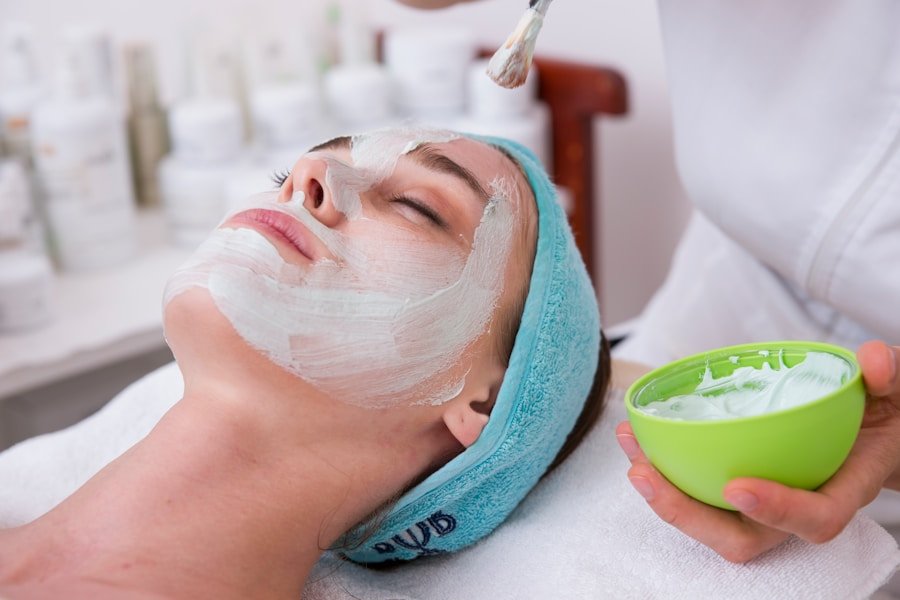
The following article examines the evolving landscape of wellness in Dubai, focusing on the emergence and impact of circular programs within its spa culture. This analysis aims to provide a factual and objective overview, highlighting key trends, challenges, and potential implications for both consumers and industry stakeholders.
Dubai’s Wellness Sector: A Shifting Paradigm
Dubai, a global hub for luxury and innovation, has witnessed significant growth in its wellness sector. Historically, spa services in the emirate have often been characterized by episodic treatments, typically one-off experiences focused on relaxation or specific aesthetic concerns. This model, while popular, is undergoing a transformation as consumers increasingly seek more holistic and sustained approaches to well-being. The city’s rapid development and diverse population, coupled with a growing awareness of health and lifestyle factors, contribute to this evolving demand.
From Transactional to Holistic Engagement
The traditional spa model often operates on a transactional basis: a client books a service, receives it, and departs. This approach, while effective for immediate relief or indulgence, may not foster long-term health improvements. The shift towards holistic engagement recognizes that wellness is a continuous journey rather than a destination. This involves integrating various aspects of health—physical, mental, and emotional—into a comprehensive program.
The Role of Luxury and Experience-Seeking
Dubai’s reputation for luxury often intertwines with its wellness offerings. Consumers expect high-quality facilities, personalized service, and innovative treatments. This expectation extends to the emerging circular programs, where luxury is redefined not just by opulence but by the depth and sustained impact of the wellness journey. The demand for unique and memorable experiences also drives innovation in the sector.
The Rise of Circular Wellness Programs
Circular wellness programs represent a departure from conventional spa offerings. These programs are designed as continuous cycles of care, often incorporating initial assessments, personalized treatment plans, regular follow-ups, and ongoing support. The metaphor of a circle illustrates this continuous engagement, suggesting a journey without a definitive end, but rather a series of interconnected stages aimed at sustained well-being.
Defining Key Characteristics
Several characteristics define these emerging programs:
- Integrated Approach: They combine various wellness modalities, such as physical therapies, nutritional guidance, mindfulness practices, and sometimes medical consultations.
- Personalization: Programs are tailored to individual needs, goals, and health profiles, often based on initial diagnostic assessments.
- Long-Term Engagement: Unlike one-off treatments, circular programs emphasize sustained involvement over weeks, months, or even longer periods.
- Education and Empowerment: Clients are often educated about their well-being and provided with tools and strategies for self-management, fostering autonomy.
- Data-Driven Customization: Some programs utilize data from assessments and progress tracking to refine treatment plans and optimize outcomes.
Examples of Program Evolution
Initial examples of circularity include multi-day detox retreats or weight management programs. However, the concept is expanding to encompass broader aspects of well-being, such as stress reduction, sleep optimization, and chronic pain management. These programs are often designed with predefined entry points and progression pathways, allowing individuals to move through different stages of their wellness journey.
Operational Frameworks for Circularity
Implementing circular wellness programs requires a robust operational framework that goes beyond simple appointment scheduling. It necessitates a coordinated approach involving multiple practitioners, administrative systems, and effective communication channels.
Initial Assessment and Goal Setting
The starting point of most circular programs is a comprehensive assessment. This may include:
- Health Questionnaires: Detailed inquiries into lifestyle, medical history, and current well-being.
- Physical Examinations: Basic health checks, fitness assessments, and body composition analysis.
- Lifestyle Consultations: Discussions about diet, sleep patterns, stress levels, and daily routines.
- Biometric Data Collection: In some advanced programs, this may involve genetic testing, microbiome analysis, or continuous glucose monitoring.
Based on these assessments, personalized wellness goals are established collaboratively between the client and a team of specialists. This collaborative goal-setting is crucial for client adherence and program effectiveness, aligning expectations with achievable outcomes.
Phased Program Delivery
Circular programs are typically delivered in phases, with each phase building upon the previous one. This phased approach allows for gradual adaptation, monitoring of progress, and adjustments to the plan as needed. For example, a program might begin with a detoxification phase, followed by a rebalancing phase, and then a maintenance phase.
Monitoring, Feedback, and Adjustment
Regular monitoring of client progress is integral. This involves scheduled check-ins, follow-up assessments, and the collection of subjective feedback. The data gathered informs program adjustments, ensuring that the interventions remain relevant and effective. This iterative process is a core tenet of the circular model, enabling the program to evolve with the client’s changing needs.
Economic and Strategic Implications
The shift towards circular programs carries significant economic and strategic implications for Dubai’s wellness industry. It represents an evolution in business models and consumer engagement.
Diversification of Revenue Streams
For spa operators, circular programs offer the potential for more stable and predictable revenue streams compared to transactional models. Rather than relying solely on individual bookings, businesses can secure commitments for longer-term programs, enhancing financial stability. This also provides opportunities for diversification into areas such as bespoke product lines, educational workshops, and digital wellness platforms.
Enhanced Client Lifetime Value
By fostering long-term engagement, circular programs increase the client lifetime value. Clients who invest in sustained wellness journeys are more likely to return for subsequent programs, refer others, and become advocates for the brand. This cultivates a loyal client base, reducing the need for constant new client acquisition efforts.
Competitive Differentiation
In a competitive market like Dubai, offering innovative circular programs can serve as a key differentiator. It allows businesses to position themselves not just as providers of services but as partners in their clients’ ongoing well-being. This can attract a segment of the market seeking more profound and impactful wellness solutions.
Investment in Expertise and Technology
Implementing these programs often requires significant investment in multidisciplinary expertise—nutritionists, physiotherapists, psychologists, and advanced diagnostic tools. This investment can elevate the overall quality and sophistication of the wellness sector in Dubai, attracting specialized talent and fostering innovation.
Challenges and Future Outlook
| Wellness Program | Key Features | Impact |
|---|---|---|
| Yoga and Meditation | Guided sessions, mindfulness practices | Stress reduction, mental clarity |
| Organic Nutrition | Farm-to-table ingredients, personalized meal plans | Improved digestion, energy levels |
| Holistic Therapies | Acupuncture, Ayurveda, energy healing | Balance of mind, body, and spirit |
| Fitness Programs | Personal training, group classes | Physical strength, endurance |
While promising, the adoption of circular wellness programs in Dubai faces several challenges that need to be addressed for widespread success. Understanding these hurdles is critical for stakeholders navigating this evolving landscape.
Consumer Education and Perception
A primary challenge lies in educating consumers about the value proposition of circular programs. Many individuals are accustomed to the immediate gratification of episodic treatments. Shifting this perception to embrace a long-term commitment to wellness requires effective communication and demonstrating tangible, measurable benefits. The higher upfront cost associated with comprehensive programs can also be a barrier, necessitating clear articulation of long-term value.
Regulatory Frameworks and Standardization
The multidisciplinary nature of circular programs often straddles various professional domains, from beauty and relaxation to health and medical services. Clear regulatory guidelines are essential to ensure the safety, efficacy, and ethical conduct of these programs. Standardization of practices and qualifications across different disciplines can also build consumer trust and protect against unqualified practitioners.
Integration of Technology and Data Privacy
Effective implementation of circular programs often relies on technology for client tracking, communication, and data management. Developing secure and user-friendly platforms is crucial. Furthermore, the handling of sensitive client health data necessitates robust data privacy policies and adherence to relevant regulations, such as GDPR-equivalent standards, to maintain trust and protect personal information.
Talent Acquisition and Interdisciplinary Collaboration
Building a team of qualified professionals across various specializations (e.g., fitness trainers, nutritionists, therapists, medical professionals) and fostering effective interdisciplinary collaboration is a complex undertaking. Recruitment of skilled individuals and training them to work synergistically within a cohesive program framework is vital for seamless service delivery and optimal client outcomes.
The Landscape Ahead
Despite these challenges, the future of circular wellness programs in Dubai appears robust. The city’s strategic vision for health and well-being, coupled with a sophisticated consumer base, creates fertile ground for growth. As these programs mature, we can anticipate several developments:
- Increased Personalization through AI: Artificial intelligence and machine learning could further enhance personalization, predicting individual needs and optimizing program trajectories.
- Wearable Technology Integration: Seamless integration of wearable devices for continuous health monitoring could provide real-time data for program adjustments.
- Telehealth and Digital Wellness Platforms: The expansion of telehealth services can extend the reach of programs, allowing for remote consultations and support, particularly for follow-ups and coaching.
- Corporate Wellness Partnerships: Circular wellness models could find application in corporate settings, offering tailored programs for employee well-being and productivity.
- Research and Evidence-Based Practice: As the field evolves, an increased focus on research and evidence-based practice will strengthen the credibility and effectiveness of these programs.
In conclusion, circular wellness programs represent a significant evolution in Dubai’s spa culture, moving beyond isolated treatments to embrace sustained, holistic well-being. While challenges exist, the innovative spirit of Dubai, coupled with a growing demand for impactful wellness solutions, suggests a strong trajectory for these transformative approaches. For you, the consumer, this translates into opportunities for deeper engagement with your health journey; for the industry, it signifies a pivot towards more integrated and sustainable business models.