
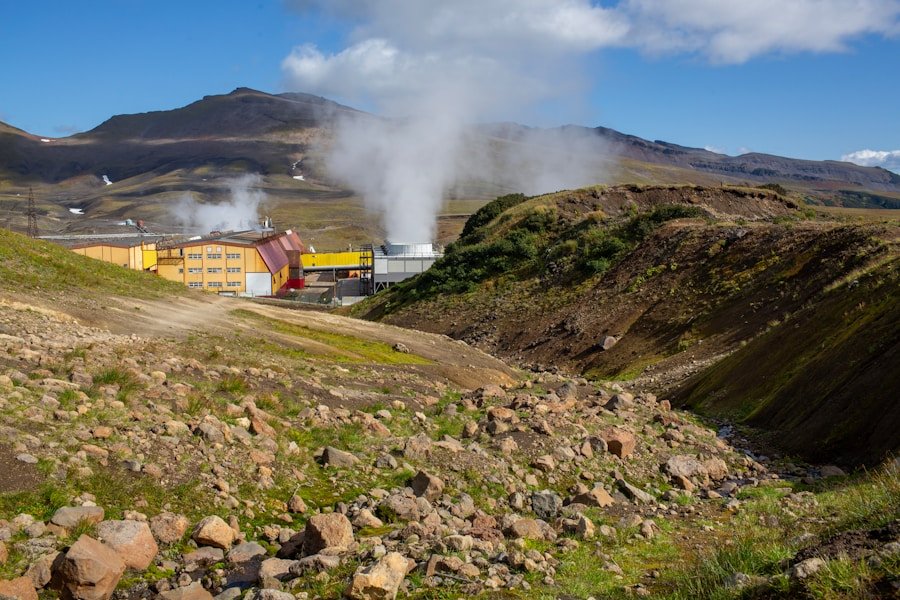
Here is an article discussing thermal recovery architecture, written in a factual style suitable for Wikipedia, without excessive adjectives or flattery.
The concept of thermal recovery in architecture focuses on recapturing and repurposing waste heat generated within buildings. This approach addresses the significant energy demands of the built environment, which contributes a substantial portion of global greenhouse gas emissions. Traditional buildings often treat outgoing heat as a loss, venting it into the atmosphere. Thermal recovery architecture, conversely, views this expelled heat as a valuable resource to be intercepted and reintroduced where needed, thereby reducing the reliance on primary energy sources. This shift represents a fundamental change in how buildings are conceived, moving from simple shelters to dynamic systems actively managing their thermal environment.
Understanding Thermal Recovery Principles
Thermal recovery in buildings is not a singular technology but rather a collection of strategies and systems designed to minimize energy waste. The core idea is to break the cycle of heat loss and instead create a more closed-loop system. This involves understanding the various sources of waste heat within a building and developing methods to efficiently capture and redistribute it.
Sources of Waste Heat in Buildings
Buildings are complex ecosystems that generate heat through a multitude of processes. Identifying these sources is the first step in effective thermal recovery.
Occupant Activity and Metabolism
Human bodies are essentially small furnaces, constantly generating heat as a byproduct of metabolic processes. This heat, especially in densely occupied spaces, can contribute significantly to the overall thermal load of a building. During colder months, this metabolic heat can be viewed as a free contribution to space heating, if managed appropriately.
Electrical Appliances and Equipment
Virtually all electrical devices, from computers and lighting to industrial machinery in commercial buildings, dissipate energy as heat. This waste heat is often a byproduct of electrical resistance or inefficient energy conversion. Without intervention, this heat simply radiates into the surrounding space and is then often expelled through ventilation systems.
Lighting Systems
Older incandescent lighting technologies were notoriously inefficient, converting a large percentage of electrical energy into heat rather than visible light. While LED technology has significantly improved efficiency, some heat generation remains. This heat, distributed throughout the building, can be a consistent source of low-grade thermal energy.
HVAC System Losses
Heating, Ventilation, and Air Conditioning (HVAC) systems are major energy consumers in buildings. However, they also represent prime opportunities for thermal recovery. For instance, exhaust air from ventilation systems often contains a significant amount of heat that is otherwise discarded. Similarly, the heat generated by air conditioning compressors can also be captured.
Mechanisms of Heat Transfer
To effectively recover heat, an understanding of heat transfer mechanisms is crucial. These principles dictate how heat moves from one place to another.
Conduction
Conduction is the transfer of heat through direct contact. In buildings, this occurs within materials like walls, floors, and windows. Thermal recovery systems can be designed to minimize unwanted conduction losses while facilitating desired heat transfer.
Convection
Convection involves heat transfer through the movement of fluids, such as air or water. Ventilation systems primarily operate on the principle of convection, moving heated or cooled air. Thermal recovery methods often involve manipulating these convective currents to move captured heat.
Radiation
Radiation is the transfer of heat through electromagnetic waves. The sun’s warmth reaching a building is a prime example of radiative heat transfer. Internal heat sources also radiate energy, contributing to the ambient temperature.
Core Technologies in Thermal Recovery Architecture
The implementation of thermal recovery in buildings relies on a range of technologies that can capture, store, and redistribute thermal energy. These technologies can be integrated into new construction or retrofitted into existing structures.
Heat Exchangers: The Heart of Recovery
Heat exchangers are devices designed to efficiently transfer heat from one medium to another without direct contact. They are central to most thermal recovery systems.
Air-to-Air Heat Exchangers (HRVs and ERVs)
Heat Recovery Ventilators (HRVs) and Energy Recovery Ventilators (ERVs) are commonly used in buildings. They work by separating incoming fresh air from outgoing exhaust air, allowing heat to transfer between the two airstreams. This means that in winter, incoming cold fresh air is preheated by warm outgoing exhaust air, and in summer, incoming hot fresh air is precooled by cool outgoing exhaust air. ERVs additionally transfer moisture, which can be beneficial in preventing condensation and improving indoor air quality.
Water-to-Water Heat Exchangers
These exchangers are used in systems where water is the medium for heat transfer, often in conjunction with radiant heating or cooling systems, or for repurposing hot water generated by appliances.
Plate and Fin Heat Exchangers
These designs offer a large surface area for heat transfer within a compact unit, making them efficient for various applications.
Heat Pumps: Amplifying Thermal Energy
Heat pumps are devices that use a small amount of energy to move a larger amount of thermal energy from one place to another. They can be used to extract heat from low-temperature sources, such as exhaust air or even the ground, and deliver it at a higher temperature for heating purposes.
Air Source Heat Pumps
These extract heat from the outdoor air, even in cold temperatures, and transfer it indoors. Their efficiency can decrease in very low ambient temperatures, but advancements are improving performance.
Geothermal Heat Pumps
These utilize the stable temperature of the earth as a heat source or sink. Buried pipe loops circulate fluid underground, absorbing or dissipating heat. While requiring a significant initial investment, they offer highly efficient and consistent performance.
Thermal Energy Storage Systems
Storing captured thermal energy allows it to be used when it is most needed, rather than being instantaneously dissipated. This decouples heat generation from heat demand.
Water Tanks
Large insulated water tanks can store heated water for later use in space heating or domestic hot water.
Phase Change Materials (PCMs)
PCMs absorb and release large amounts of thermal energy as they change state (e.g., from solid to liquid). They can be integrated into building materials to store and release heat passively over time, helping to buffer temperature fluctuations.
Applications in Modern Architecture
The principles of thermal recovery are being integrated into a wide range of building types, from residential homes to large commercial and industrial facilities.
Residential Buildings: Enhancing Comfort and Reducing Bills
In homes, thermal recovery can significantly reduce heating and cooling costs while improving occupant comfort.
Passive House Standards
The Passive House standard, for example, emphasizes meticulous airtightness and high-performance insulation. Integrated within this framework are ventilation systems with heat recovery, ensuring fresh air supply without compromising thermal efficiency.
Retrofitting Existing Homes
Many thermal recovery technologies can be retrofitted into older homes, offering a pathway to increased energy efficiency without a complete rebuild. This might involve installing an HRV/ERV system or upgrading insulation to better retain recovered heat.
Commercial and Institutional Buildings: Large-Scale Energy Savings
Commercial buildings, with their higher occupancy and greater equipment loads, present substantial opportunities for thermal recovery.
Office Buildings
Office buildings often have significant heat generated by computers, lighting, and occupants. An ERV can capture this heat from exhaust air and use it to pre-condition incoming fresh air.
Hospitals and Healthcare Facilities
Hospitals require continuous ventilation to maintain air quality, generating a steady stream of waste heat. Heat recovery systems in these facilities can significantly offset the energy needed for heating and cooling.
Data Centers
Data centers are notorious for generating massive amounts of heat from servers. Advanced thermal recovery systems are being developed to capture this heat and repurpose it for heating neighboring buildings or for other industrial processes.
Industrial Processes: Optimizing Resource Use
Industrial settings can often generate very high-grade waste heat that can be exceptionally valuable for recovery.
Manufacturing Plants
Heat generated by industrial machinery, furnaces, and processing equipment can be captured and used for space heating, pre-heating process water, or even generating electricity through technologies like Organic Rankine Cycles.
Waste-to-Energy Facilities
These facilities, by their very nature, generate heat. Thermal recovery strategies are inherently embedded in their operation, but further optimization can be achieved by capturing and utilizing all available waste heat streams.
Designing for Thermal Efficiency: A Holistic Approach
Effective thermal recovery architecture is not just about installing technology; it requires a holistic approach to building design that prioritizes energy efficiency from the outset.
Building Envelope Optimization
A well-designed building envelope is the first line of defense against heat loss.
Insulation and Airtightness
High levels of insulation and meticulous attention to airtightness minimize uncontrolled heat transfer, making the controlled recovery of heat more effective and less energy-intensive. A building that is a leaky sieve makes it difficult to keep any warmth captured.
High-Performance Glazing
Windows are often weak points in the thermal envelope. Triple-glazed windows with low-emissivity coatings and thermally broken frames significantly reduce heat loss and gain.
Integrating HVAC Systems Strategically
The design and placement of HVAC systems are critical for maximizing thermal recovery.
Zoned Systems and Demand Control
Implementing zoned HVAC systems and demand-controlled ventilation allows heating and cooling to be delivered only where and when it is needed, reducing overall energy consumption and providing more targeted opportunities for heat recovery.
Radiant Heating and Cooling
Radiant systems, which heat or cool surfaces rather than air directly, can be more efficient and integrate well with lower-temperature heat sources recovered from the building.
Building Information Modeling (BIM) and Digital Tools
Modern design tools are playing an increasingly important role in optimizing thermal recovery strategies.
Simulation and Analysis
BIM allows for detailed thermal modeling and energy simulations early in the design process. This enables designers to predict heat loads, identify optimal locations for heat recovery equipment, and assess the performance of different design strategies before construction begins.
Lifecycle Cost Analysis
Digital tools facilitate comprehensive lifecycle cost analysis, allowing designers to evaluate the long-term economic benefits of thermal recovery systems against their initial investment.
The Future Landscape of Thermal Recovery Architecture
| Metrics | Data |
|---|---|
| Energy Savings | Up to 50% reduction in energy consumption |
| Carbon Emissions | Significant decrease in carbon emissions |
| Building Efficiency | Improved overall building efficiency |
| Cost Savings | Lower operational costs for building owners |
| Environmental Impact | Positive impact on the environment |
The field of thermal recovery architecture is continuously evolving, driven by technological advancements and a growing imperative for sustainable building practices.
Advancements in Materials Science
New materials are being developed that can enhance thermal recovery capabilities.
Improved Heat Exchanger Materials
Research into novel materials for heat exchangers aims to increase their efficiency, durability, and cost-effectiveness. This includes exploring nanomaterials and advanced composites.
Smart Materials for Thermal Management
The development of ‘smart’ materials that can actively respond to temperature changes and store or release heat on demand holds significant promise for future building designs.
Integration with Renewable Energy Sources
Thermal recovery systems are most effective when integrated with other sustainable energy strategies.
Solar Thermal Integration
Heat recovered from building systems can supplement or even replace the need for solar thermal collectors for hot water or space heating. Conversely, excess heat from solar thermal systems can be stored for later use.
Grid-Interactive Buildings
As buildings become more sophisticated, they can interact with the wider energy grid. Thermal recovery systems can play a role in storing excess renewable energy generated off-site or by the building itself, releasing it during peak demand periods.
Policy and Regulatory Drivers
Government policies and building codes are increasingly encouraging or mandating energy efficiency measures, including thermal recovery.
Net-Zero Energy Buildings
The pursuit of net-zero energy buildings, where a building produces as much energy as it consumes annually, necessitates highly efficient building envelopes and extensive use of thermal recovery technologies.
Carbon Pricing and Incentives
The implementation of carbon pricing mechanisms and financial incentives for energy-efficient construction and retrofits further drives the adoption of thermal recovery solutions.
The pervasive nature of energy consumption in the built environment means that unlocking the potential of captured and reused heat is not merely an environmental consideration but an economic and operational necessity. Thermal recovery architecture, by transforming waste heat from a liability into an asset, stands as a foundational pillar in the construction of a more sustainable and resilient future. The ongoing innovation in materials and design methodologies suggests that the capacity of buildings to manage their own thermal resources will continue to expand, paving the way for structures that are not only comfortable and healthy but also fundamentally regenerative in their energy use.