
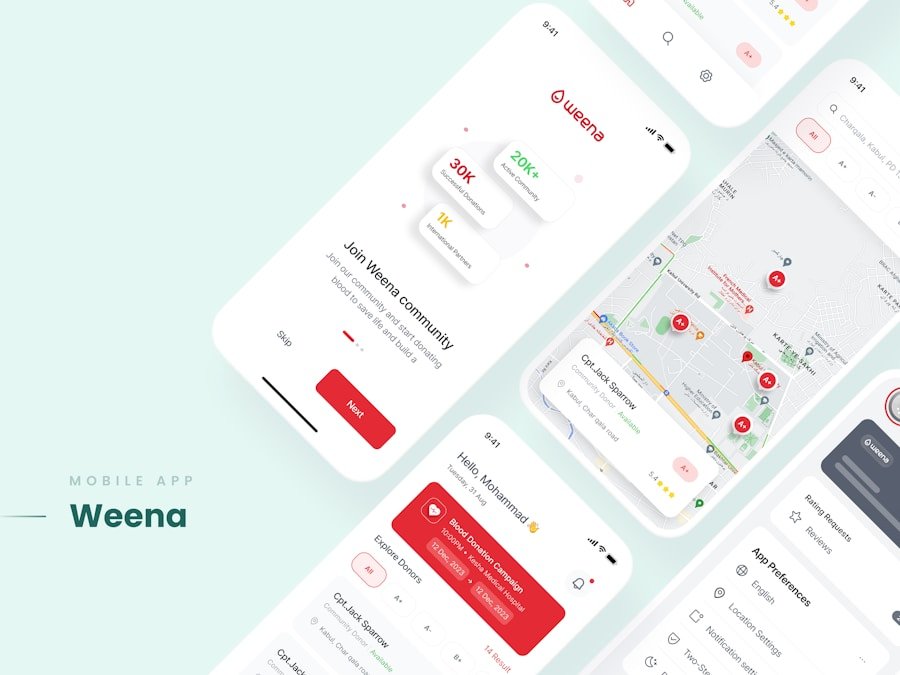
The convergence of digital technologies with traditional medical practices is reshaping healthcare delivery. This transformation, often termed digital health optimization, entails using technology to enhance efficiency, accessibility, and the quality of patient care. This article explores the various facets of this evolution, examining how digital tools are changing healthcare and outlining the potential benefits and challenges ahead.
The Foundation of Digital Health Optimization: Data and Connectivity
At its core, digital health optimization relies on the capture, analysis, and secure exchange of health information. This process is the bedrock upon which subsequent innovations are built. Consider data as the raw material and connectivity as the conveyor belt moving it.
Electronic Health Records (EHRs) and Interoperability
Electronic Health Records (EHRs) have largely supplanted paper-based systems. These digital documents contain a patient’s medical history, diagnoses, medications, treatment plans, and laboratory results. The transition to EHRs aimed to reduce medical errors, improve care coordination, and streamline administrative tasks. However, the full potential of EHRs is realized only when they can communicate effectively with each other – a concept known as interoperability.
- Standardization Challenges: A significant hurdle to widespread interoperability is the lack of universal data standards across different EHR vendors. This often creates data silos, hindering the seamless flow of information between providers and institutions.
- Benefits of Seamless Data Exchange: When EHRs are interoperable, a patient’s entire medical history can be accessed by authorized providers, regardless of where the care was received. This improves diagnostic accuracy, prevents redundant testing, and allows for more informed treatment decisions. It also supports public health initiatives by providing aggregated, de-identified data for epidemiological studies.
Telemedicine and Remote Monitoring
Telemedicine, the provision of healthcare services remotely, has experienced substantial growth, particularly in recent years. This encompasses various modalities from video consultations to remote monitoring of physiological parameters.
- Increased Accessibility: Telemedicine expands access to care for individuals in rural or underserved areas, those with mobility limitations, or those facing transportation barriers. It can also reduce wait times for appointments and alleviate crowded emergency departments.
- Types of Remote Monitoring: Remote patient monitoring (RPM) devices track vital signs, glucose levels, cardiac rhythms, and other health indicators from a patient’s home. This continuous data stream allows clinicians to identify deterioration early, intervene proactively, and manage chronic conditions more effectively. For example, a patient with heart failure might have their weight and blood pressure monitored daily, with alerts sent to their care team if significant changes occur.
- Evolving Regulatory Frameworks: The rapid expansion of telemedicine has necessitated the adaptation of regulatory frameworks concerning licensing, reimbursement, and data privacy. These frameworks are critical for ensuring the safe and ethical delivery of remote care.
Personalized Medicine and Precision Health
Digital health optimization is a crucial enabler of personalized medicine. No longer is a “one-size-fits-all” approach considered optimal. Instead, treatments are increasingly tailored to an individual’s unique characteristics.
Genomic Medicine and Pharmacogenomics
Advances in genomic sequencing technologies allow for the analysis of an individual’s genetic makeup. This information can reveal predispositions to certain diseases, predict responsiveness to medications, and guide targeted therapies.
- Disease Risk Assessment: Genomic data can identify genetic markers associated with an increased risk of developing conditions like certain cancers or cardiovascular diseases, enabling earlier screening and preventive measures.
- Drug Efficacy and Safety: Pharmacogenomics studies how an individual’s genes affect their response to drugs. This can help clinicians select the most effective medications and optimal dosages, while minimizing adverse drug reactions. For instance, genetic testing can inform the choice of antidepressants or chemotherapy drugs.
Wearable Devices and Mobile Health Applications
Wearable devices and mobile health (mHealth) applications collect a wealth of personal health data beyond the clinical setting. These tools empower individuals to take a more active role in managing their own health.
- Continuous Data Collection: Smartwatches, fitness trackers, and other wearables continuously monitor parameters such as heart rate, sleep patterns, activity levels, and even stress indicators. This provides a more holistic view of an individual’s health trends.
- Behavioral Change Support: Many mHealth apps offer features like medication reminders, dietary tracking, exercise plans, and mindfulness exercises, aiming to promote healthier habits and self-management of chronic conditions.
- Data Privacy and Security Concerns: The proliferation of personal health data collected by these devices raises significant questions regarding data privacy, security, and the ethical use of this information. Robust safeguards are necessary to maintain public trust.
Artificial Intelligence and Machine Learning in Healthcare
Artificial intelligence (AI) and machine learning (ML) algorithms are increasingly being deployed in healthcare to analyze vast datasets, identify patterns, and support decision-making. These technologies act as powerful analytical engines.
Diagnostic Support and Medical Imaging Analysis
AI algorithms can assist clinicians in diagnosing diseases by analyzing medical images and patient data with speed and accuracy that often surpasses human capabilities.
- Radiology Enhancement: ML models can detect subtle anomalies in X-rays, CT scans, and MRIs, flagging potential issues that might be missed by the human eye. This can improve the early detection of cancers, neurological disorders, and other conditions.
- Pathology Analysis: AI can aid pathologists in analyzing tissue samples, identifying cancerous cells, and classifying disease subtypes, thereby assisting in treatment planning.
- Clinical Decision Support Systems: AI-powered systems can integrate various patient data points – including EHR information, genomic data, and imaging results – to provide clinicians with evidence-based recommendations for diagnosis and treatment.
Drug Discovery and Development
The process of discovering and developing new drugs is notoriously time-consuming and expensive. AI and ML are accelerating this process by automating and optimizing several stages.
- Target Identification: AI can analyze vast biological datasets to identify promising drug targets and understand disease mechanisms.
- Compound Screening: ML algorithms can rapidly screen millions of chemical compounds to identify those with the highest likelihood of efficacy, significantly reducing the experimental workload.
- Predictive Modeling of Clinical Trials: AI can help predict the success rates of clinical trials, identify suitable patient cohorts, and optimize trial designs, leading to more efficient drug development.
Operational Efficiencies and Cost Reduction
Beyond direct patient care, digital health optimization also offers substantial opportunities to improve the operational efficiency of healthcare systems and manage costs more effectively.
Automated Administrative Processes
Healthcare administration often involves complex and time-consuming tasks. Digital solutions can automate many of these processes, freeing up staff for more patient-focused activities.
- Appointment Scheduling and Reminders: Online portals and automated systems streamline appointment booking, rescheduling, and sending reminders, reducing no-show rates.
- Billing and Insurance Processing: AI and RPA (Robotic Process Automation) can automate claims processing, coding, and reconciliation, minimizing errors and accelerating reimbursement cycles.
- Inventory Management: Digital systems can optimize inventory levels for medications, supplies, and equipment, reducing waste and ensuring availability.
Supply Chain Optimization
A resilient and efficient healthcare supply chain is critical. Digital tools can provide greater transparency and control over the flow of resources.
- Real-time Tracking: IoT sensors and blockchain technology can enable real-time tracking of medical products from manufacturer to patient, improving accountability and reducing counterfeiting.
- Demand Forecasting: Predictive analytics can forecast demand for specific drugs or equipment, allowing healthcare providers to optimize purchasing and avoid shortages.
- Optimized Resource Allocation: Data-driven insights can help allocate staff, beds, and equipment more efficiently, improving facility utilization.
Future Outlook and Challenges
| Metrics | Data |
|---|---|
| Telemedicine Usage | Increased by 38% in 2020 |
| Remote Patient Monitoring | Expected to grow by 33.2% by 2027 |
| Healthcare Apps | Over 318,000 available in app stores |
| Wearable Devices | Market expected to reach 74 billion by 2025 |
| Data Security | Top concern for 78% of healthcare organizations |
The trajectory of digital health optimization suggests a future where healthcare is more personalized, proactive, and accessible. However, several challenges must be addressed to fully realize this potential.
Data Security and Privacy Concerns
The increasing volume and sensitivity of health data necessitate robust cybersecurity measures. Breaches can erode public trust and compromise patient safety.
- Regulatory Compliance: Adherence to regulations such as HIPAA (Health Insurance Portability and Accountability Act) and GDPR (General Data Protection Regulation) is paramount, but evolving threats require continuous adaptation of security protocols.
- Patient Consent and Data Governance: Establishing clear frameworks for patient consent regarding data collection, use, and sharing is crucial, along with strong governance models for managing this sensitive information.
Digital Divide and Equity in Access
While digital health promises greater accessibility, it also risks exacerbating existing health disparities if not implemented equitably. The digital divide, stemming from unequal access to technology and internet connectivity, remains a significant barrier.
- Infrastructure Development: Expanding broadband internet access, particularly in underserved communities, is fundamental.
- Digital Literacy Programs: Providing education and training to help individuals navigate digital health tools is essential to ensure inclusive adoption.
- Affordability of Technology: The cost of devices and digital services can be a barrier for some populations, requiring policy interventions to ensure equitable access.
Integration of Technologies and Workforce Training
The successful implementation of digital health optimization requires seamless integration of diverse technologies and a workforce equipped with the necessary skills.
- Interoperability Standards: Continued efforts to develop and enforce universal interoperability standards are essential to break down data silos and facilitate cohesive systems.
- Upskilling and Reskilling the Workforce: Healthcare professionals, from clinicians to administrators, require ongoing training to effectively utilize new digital tools, interpret data, and adapt to evolving workflows. This includes skills in data literacy, cybersecurity awareness, and the use of AI-powered platforms.
- Ethical Considerations of AI: As AI becomes more embedded in healthcare, ethical guidelines addressing issues such as algorithmic bias, accountability, and transparency are critical to ensure fair and responsible deployment.
In conclusion, digital health optimization is not merely about introducing new technologies; it is a fundamental shift in how healthcare is conceived and delivered. Readers should understand that while the benefits are substantial, navigating the challenges related to data security, equity, and workforce adaptation will be crucial for realizing its full transformative potential. The digital landscape of healthcare continues to evolve, promising a future that is more efficient, insightful, and patient-centered.