
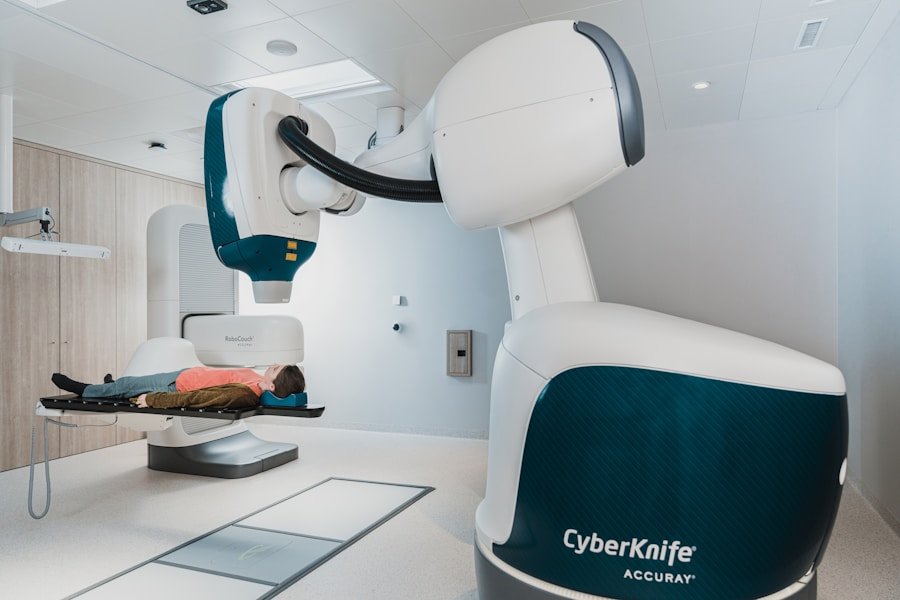
The integration of artificial intelligence (AI) across various sectors is transforming numerous industries, and healthcare is no exception. This article examines the expanding role of AI in healthcare, focusing on its applications that are creating “smart health” systems. As a reader, you will gain an understanding of how AI is being deployed, its current limitations, and its potential to reshape patient care, diagnostics, and medical research. This is not about technological utopianism; rather, it is an exploration of practical developments and their implications.
The application of AI in healthcare is not a singular phenomenon but a multifaceted integration of machine learning, natural language processing, and computer vision into clinical and operational processes. It acts as a set of sophisticated tools, augmenting human capabilities rather than replacing them entirely. Think of it as providing clinicians with a more powerful microscope or a higher-resolution sonar, allowing them to perceive nuances previously undetected.
Diagnostics and Disease Detection
AI’s ability to process vast quantities of data at speeds and scales beyond human capacity makes it a valuable asset in diagnostic processes. This section explores how AI contributes to earlier and more accurate disease identification.
Image Analysis for Early Detection
Medical imaging, such as X-rays, MRIs, and CT scans, generates immense datasets. Radiologists spend significant time analyzing these images for subtle abnormalities. AI, particularly deep learning algorithms, can be trained on large annotated datasets of medical images.
- Radiology: AI algorithms now assist in detecting anomalies in scans, such as early-stage tumors or subtle fractures. These AI tools can highlight suspicious areas for radiologists to review, acting as a second pair of eyes. This does not mean AI replaces the radiologist, but it can streamline workflows and potentially reduce missed diagnoses. For example, in mammography, AI has shown promise in identifying breast cancer lesions with accuracy comparable to, and in some cases exceeding, human experts, especially when radiologists are fatigued.
- Pathology: Similar applications exist in pathology. AI analyzes digital slides of tissue biopsies, identifying cancerous cells or classifying disease subtypes. This assists pathologists in making more precise diagnoses, particularly in conditions like prostate cancer, where grading can be subjective. The AI acts as a sophisticated pattern recognition system, sifting through millions of cells to identify microscopic irregularities.
- Ophthalmology: AI is being used to detect diabetic retinopathy, a leading cause of blindness, by analyzing retinal scans. Algorithms can identify microaneurysms, hemorrhages, and other indicators of the disease even before symptoms manifest, enabling earlier intervention.
Predictive Analytics for Disease Risk
Beyond direct detection, AI models can analyze various patient data points—demographics, medical history, genetics, lifestyle—to predict the likelihood of developing certain conditions.
- Cardiovascular Disease: Algorithms can predict a patient’s risk of heart attack or stroke by analyzing factors like blood pressure, cholesterol levels, age, and family history. This allows for proactive interventions and personalized preventive strategies.
- Sepsis Prediction: In intensive care units, AI systems continuously monitor patient vital signs and lab results, identifying patterns indicative of impending sepsis hours before human clinicians might recognize the onset. Early detection of sepsis is critical for improving patient outcomes.
- Genetic Predisposition: AI plays a role in analyzing genomic data to identify genetic markers associated with increased disease risk, informing personalized screening recommendations and preventative measures. This is akin to finding specific threads in a vast genetic tapestry that indicate a higher probability of fraying.
Personalized Treatment and Drug Discovery
AI’s capabilities extend to optimizing treatment plans for individual patients and accelerating the development of new medications. This represents a shift towards more tailored and efficient medical interventions.
Precision Medicine
The concept of “one size fits all” in medicine is giving way to precision medicine, where treatments are customized based on a patient’s genetic makeup, environment, and lifestyle. AI facilitates this personalization.
- Oncology: In cancer treatment, AI analyzes a tumor’s genomic profile to recommend specific targeted therapies that are most likely to be effective. This helps avoid ineffective treatments and their associated side effects, improving patient response rates. It’s like finding the specific key for a particular lock, rather than trying a generic master key.
- Pharmacogenomics: AI can predict how an individual will respond to certain drugs based on their genetic variations, helping clinicians select the most appropriate medications and dosages, thereby reducing adverse drug reactions.
Drug Development Acceleration
The traditional drug discovery process is lengthy, costly, and has a high failure rate. AI is beginning to streamline several stages of this process.
- Target Identification: AI algorithms can analyze vast biological datasets to identify potential drug targets—molecules involved in disease processes—more efficiently than traditional methods.
- Molecule Sourcing and Optimization: AI can design novel molecular structures with desired therapeutic properties or identify existing compounds that could be repurposed for new indications. This reduces the time and expense associated with synthesizing and testing countless compounds.
- Clinical Trial Optimization: AI can analyze patient data to identify ideal candidates for clinical trials, predict trial outcomes, and even model the safety and efficacy of new drugs before they enter human trials, potentially reducing the duration and cost of development. This is akin to building a digital prototype before constructing the physical one.
AI-Powered Clinical Support and Operations
Beyond diagnostics and treatment, AI is enhancing the operational efficiency of healthcare systems and providing valuable support to clinical decision-making.
Clinical Decision Support Systems
AI-powered decision support systems provide clinicians with evidence-based recommendations and insights, helping them navigate complex medical scenarios.
- Diagnosis Assistance: These systems can suggest potential diagnoses based on patient symptoms, medical history, and lab results, helping clinicians consider a wider range of possibilities.
- Treatment Guidelines: AI can integrate the latest medical literature and guidelines, offering real-time recommendations for treatment protocols, drug interactions, and dosage adjustments. This keeps clinicians updated on an ever-evolving body of medical knowledge.
- Alerts and Reminders: AI can generate alerts for potential contraindications or missed preventative screenings, acting as a vigilant assistant in the background.
Operational Efficiency and Hospital Management
AI is also being used to optimize various administrative and logistical aspects of healthcare.
- Patient Flow Optimization: Algorithms can predict patient admissions and discharges, optimizing bed allocation, staff scheduling, and resource management within hospitals. This helps to reduce wait times and improve overall efficiency.
- Revenue Cycle Management: AI can automate claims processing, identify billing errors, and predict payment denials, leading to more efficient revenue collection for healthcare providers.
- Supply Chain Management: AI can forecast demand for medical supplies, optimize inventory levels, and manage logistics, ensuring that necessary resources are available when and where they are needed, particularly critical during public health crises.
Remote Monitoring and Telehealth Enhancements
The rise of telehealth and remote patient monitoring has been significantly augmented by AI, enabling continuous care and accessibility beyond traditional clinical settings.
Continuous Patient Monitoring
Wearable sensors and smart devices, coupled with AI, allow for ongoing monitoring of patient health parameters outside of the hospital.
- Chronic Disease Management: For conditions like diabetes or heart failure, AI analyzes data from continuous glucose monitors or smartwatches to track vital signs, activity levels, and medication adherence. Alerts can be generated for concerning trends, enabling timely intervention. This shifts healthcare from reactive to proactive, much like a constant surveillance system for health.
- Elderly Care: AI-powered systems can monitor the movements and activities of elderly individuals living independently, detecting falls or unusual patterns that might indicate a health issue, and alerting caregivers.
Telehealth Platform Intelligence
AI enhances the capabilities and user experience of telehealth platforms.
- Chatbots for Initial Triage: AI-powered chatbots can conduct initial symptom assessments, guide patients to appropriate resources, and help prioritize urgent care needs before a human clinician becomes involved. This acts as a preliminary screening mechanism, similar to a front-desk receptionist directing inquiries.
- Virtual Assistants for Clinicians: AI can transcribe consultations, automatically update electronic health records, and even generate summaries of patient interactions, reducing the administrative burden on clinicians during virtual appointments.
- Personalized Health Information: AI can deliver personalized health education and reminders to patients based on their specific conditions and needs, making telehealth more engaging and effective.
Challenges and Ethical Considerations
| Metrics | Data |
|---|---|
| AI Adoption in Healthcare | Projected to reach 6.6 billion by 2021 |
| AI-powered Diagnostics | Can detect diseases with 96% accuracy |
| Virtual Health Assistants | Expected to reduce healthcare costs by 20 billion by 2026 |
| Remote Patient Monitoring | Can reduce hospital readmissions by 50% |
While AI offers substantial promise in healthcare, its implementation is not without significant challenges and ethical dilemmas that demand careful attention. Ignoring these would be naive and ultimately counterproductive.
Data Privacy and Security
Healthcare data is highly sensitive. The use of AI, which often requires vast datasets for training, amplifies concerns regarding privacy and security.
- Anonymization Concerns: While efforts are made to anonymize data, re-identification remains a potential risk.
- Cybersecurity Vulnerabilities: AI systems themselves can be targets for cyberattacks, leading to data breaches or manipulation of clinical decisions.
- Consent and Data Ownership: Defining who owns medical data and how explicit patient consent is obtained for its use in AI research and applications are ongoing debates.
Bias and Equity in AI Algorithms
AI algorithms are only as unbiased as the data they are trained on. Overreliance on data from specific demographics can lead to biased outcomes.
- Training Data Bias: If training data disproportionately represents certain ethnic groups or socioeconomic classes, the AI may perform poorly or generate inaccurate predictions for underrepresented populations, exacerbating health disparities. For example, an AI trained primarily on data from individuals of European descent might misdiagnose skin conditions in individuals with darker skin tones.
- Algorithmic Transparency (Black Box Problem): Many advanced AI models operate as “black boxes,” making it difficult to understand how they arrive at their conclusions. This lack of interpretability can hinder trust and accountability, especially when a diagnosis or treatment recommendation affects a patient’s life.
- Access and Affordability: The benefits of AI in healthcare may not be equitably distributed. High costs of AI implementation could widen the gap between well-resourced and underserved healthcare systems, potentially creating a two-tiered system of care.
Regulatory Oversight and Accountability
The rapid pace of AI development often outstrips the ability of regulatory bodies to establish clear guidelines.
- FDA Approval: Regulatory bodies like the FDA are grappling with how to evaluate and approve AI-driven medical devices and software, particularly those that continuously learn and adapt.
- Legal Responsibility: In cases of misdiagnosis or adverse patient outcomes involving AI, establishing legal accountability—whether it lies with the developer, the clinician, or the hospital—is complex and largely undefined.
- Ethical Frameworks: Developing comprehensive ethical frameworks that guide the responsible development and deployment of AI in healthcare is crucial to ensure patient safety and societal benefit. This involves addressing issues such as human oversight, patient autonomy, and the potential for deskilling among clinicians.
In conclusion, AI is not a panacea for all healthcare challenges, but it represents a powerful set of tools that are beginning to redefine how medicine is practiced. As a reader, you should recognize that while its potential is significant, its responsible integration demands careful consideration of its limitations and the ethical implications it presents. The future of smart health lies in a synergistic relationship between human expertise and intelligent machines, navigating a path that maximizes benefits while mitigating risks.