
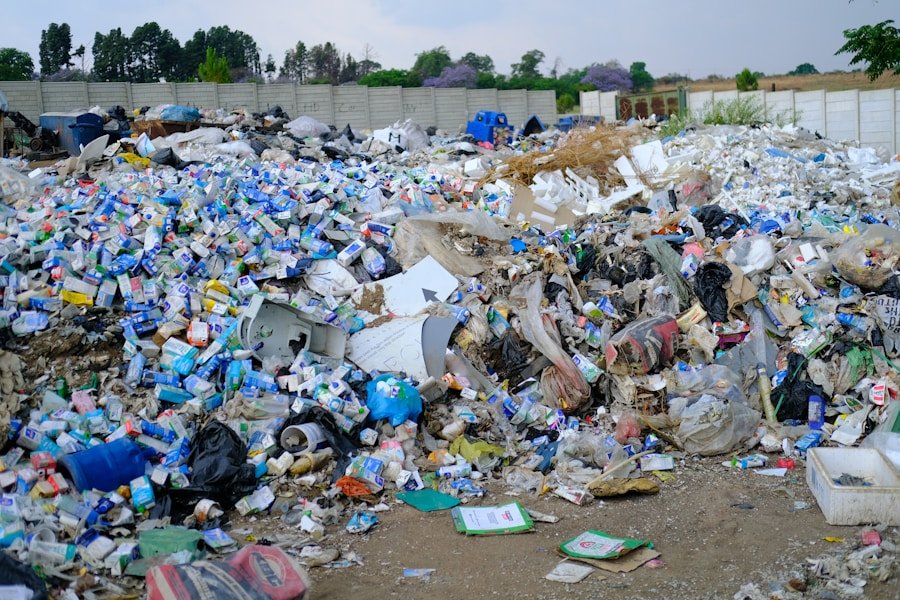
The concept of a circular economy is gaining traction as the world grapples with the environmental and economic challenges posed by a linear economy. In a linear economy, resources are extracted, used, and then disposed of as waste. This model is not sustainable in the long run, as it leads to resource depletion, pollution, and waste accumulation. In contrast, a circular economy aims to keep resources in use for as long as possible, extract the maximum value from them while in use, and then recover and regenerate products and materials at the end of their service life. This shift in thinking requires a fundamental reimagining of how we produce, consume, and dispose of goods and services. It also presents an opportunity for businesses to innovate and create new value streams while reducing their environmental impact.
The transition to a circular economy requires a shift in mindset from a linear, take-make-dispose approach to one that is regenerative and restorative. This shift involves rethinking the design of products and systems, as well as the way we use and manage resources. It also requires collaboration across industries and sectors to create closed-loop systems that minimize waste and maximize resource efficiency. The circular economy is not just about recycling or waste management; it encompasses a wide range of strategies and practices that aim to create a more sustainable and resilient economy. As businesses and governments around the world begin to embrace the circular economy, it is important to understand the opportunities and challenges associated with this transition.
Redefining Waste: From Problem to Opportunity
In a circular economy, waste is not seen as a problem to be managed, but as a potential resource to be utilized. This shift in perspective requires rethinking the way we design, produce, and consume goods and services. Instead of viewing products as disposable items with a limited lifespan, businesses are encouraged to design products with durability, reparability, and recyclability in mind. This approach not only reduces the amount of waste generated but also creates opportunities for new business models and revenue streams. For example, companies can offer repair and maintenance services for their products, or develop take-back programs to recover and recycle materials at the end of a product’s life.
One of the key principles of the circular economy is the concept of “closing the loop,” which involves keeping materials and products in use for as long as possible through reuse, remanufacturing, and recycling. This approach not only reduces the demand for virgin resources but also minimizes the environmental impact of production and consumption. By redefining waste as a valuable resource, businesses can create a more sustainable and resilient economy while also reducing their environmental footprint. Embracing the circular economy requires a shift in mindset from a linear, wasteful approach to one that values resource efficiency and sustainability.
Case Studies: Businesses Leading the Way in the Circular Economy
Several businesses around the world are leading the way in embracing the principles of the circular economy. One such example is Interface, a global flooring company that has made significant strides in reducing its environmental impact through its “Mission Zero” initiative. Interface has implemented innovative design and manufacturing processes to create products with minimal environmental impact, as well as take-back programs to recover and recycle old carpet tiles. By reusing materials and minimizing waste, Interface has not only reduced its environmental footprint but also created new business opportunities and revenue streams.
Another example is Patagonia, an outdoor apparel company that has integrated circular economy principles into its business model. Patagonia offers repair services for its products, encourages customers to buy used items through its Worn Wear program, and uses recycled materials in its clothing lines. By promoting durability, reparability, and recyclability, Patagonia has demonstrated that it is possible for businesses to thrive while minimizing their environmental impact. These case studies highlight the potential for businesses to create value while embracing the principles of the circular economy.
The Role of Innovation and Technology in the Circular Economy
Innovation and technology play a crucial role in driving the transition to a circular economy. From product design and manufacturing processes to waste management and recycling technologies, innovation is essential for creating more sustainable and efficient systems. For example, advancements in material science have led to the development of new bio-based materials that can replace traditional plastics, reducing the reliance on fossil fuels and minimizing environmental impact. Similarly, digital technologies such as blockchain and Internet of Things (IoT) have the potential to create more transparent and efficient supply chains, enabling better tracking and tracing of materials throughout their lifecycle.
In addition to technological advancements, business model innovation is also key to driving the circular economy forward. Companies are exploring new ways to create value from waste streams, such as turning food waste into biofuels or using recycled materials in new product lines. By embracing innovative business models, companies can create new revenue streams while reducing their environmental impact. The role of innovation and technology in the circular economy cannot be overstated; it is essential for creating more sustainable and resilient systems that minimize waste and maximize resource efficiency.
Challenges and Barriers to Implementing a Circular Economy
While the concept of a circular economy holds great promise, there are several challenges and barriers that need to be addressed in order to fully realize its potential. One of the main challenges is changing consumer behavior and preferences. In a linear economy, consumers are accustomed to buying cheap, disposable products with little regard for their environmental impact. Shifting consumer attitudes towards more sustainable and durable products will require education, awareness campaigns, and incentives to encourage responsible consumption.
Another challenge is the lack of infrastructure for recycling and recovering materials. In many regions, there is limited capacity for recycling certain materials or recovering valuable resources from waste streams. This lack of infrastructure hinders the transition to a circular economy by limiting the ability to close the loop on materials and products. Additionally, there are regulatory barriers that need to be addressed in order to create an enabling environment for the circular economy. Policies and regulations that incentivize resource efficiency, promote sustainable production and consumption, and support innovation are essential for driving the transition towards a circular economy.
The Economic and Environmental Benefits of Embracing a Circular Economy
Embracing the principles of the circular economy offers numerous economic and environmental benefits. From reducing resource dependency and minimizing waste generation to creating new business opportunities and revenue streams, the circular economy presents a compelling case for businesses and governments alike. By keeping materials in use for longer periods of time through reuse, remanufacturing, and recycling, companies can reduce their reliance on virgin resources and minimize their environmental impact. This not only reduces costs associated with raw material extraction but also creates opportunities for new value streams.
In addition to economic benefits, embracing the circular economy can also lead to significant environmental gains. By minimizing waste generation and reducing resource consumption, businesses can lower their carbon footprint and contribute to mitigating climate change. Furthermore, by promoting sustainable production and consumption practices, companies can help preserve natural ecosystems and biodiversity. The circular economy offers a holistic approach to addressing environmental challenges while creating economic value, making it an attractive proposition for businesses looking to create long-term sustainable growth.
Steps for Businesses to Transition to a Circular Economy Model
Transitioning to a circular economy model requires a strategic approach that involves rethinking product design, manufacturing processes, supply chains, and business models. One of the first steps for businesses is to conduct a thorough assessment of their current operations to identify areas where they can improve resource efficiency and minimize waste generation. This may involve redesigning products with durability, reparability, and recyclability in mind, as well as exploring opportunities for reusing materials or recovering valuable resources from waste streams.
Another important step is to collaborate with suppliers, customers, and other stakeholders to create closed-loop systems that minimize waste and maximize resource efficiency. This may involve developing take-back programs for products at the end of their service life or working with suppliers to source recycled materials for production. Additionally, businesses can explore innovative business models that create value from waste streams or promote more sustainable consumption patterns among customers.
Furthermore, investing in innovation and technology is essential for driving the transition towards a circular economy. This may involve adopting new manufacturing processes or technologies that enable better tracking and tracing of materials throughout their lifecycle. It may also involve exploring new materials or bio-based alternatives that reduce reliance on virgin resources.
In conclusion, embracing the principles of the circular economy offers numerous opportunities for businesses to create value while minimizing their environmental impact. By redefining waste as a potential resource and embracing innovation and technology, companies can drive the transition towards more sustainable and resilient systems. While there are challenges and barriers that need to be addressed, the economic and environmental benefits of embracing a circular economy make it an attractive proposition for businesses looking to create long-term sustainable growth. By taking strategic steps towards transitioning to a circular economy model, businesses can position themselves as leaders in creating a more sustainable future for generations to come.