
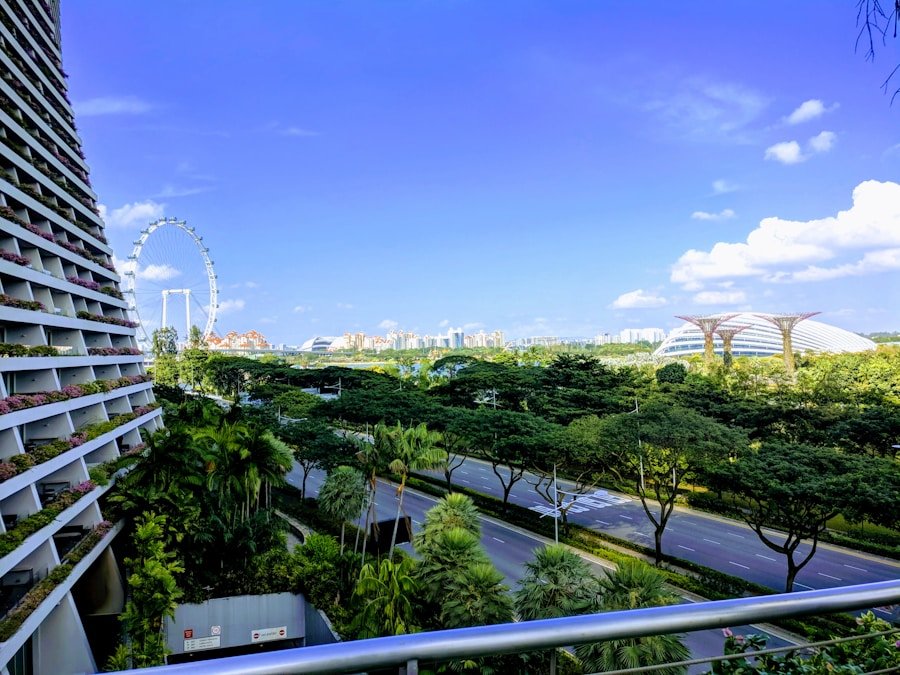
Green infrastructure refers to a strategically planned network of natural and semi-natural areas designed to provide a wide range of ecosystem services. These services contribute to environmental health, societal well-being, and economic prosperity. Unlike traditional gray infrastructure, which relies on engineered solutions like pipes and concrete, green infrastructure integrates natural processes and landscapes to manage water, mitigate climate change impacts, and support biodiversity. This approach recognizes that ecosystems are not merely passive backdrops but active components in maintaining a healthy and resilient environment. By understanding the principles and applications of green infrastructure, you, the reader, can better appreciate its role in fostering sustainable development.
Enhancing Water Management
Effective water management is a cornerstone of environmental health. Green infrastructure offers a suite of solutions that address various water-related challenges, from urban flooding to water quality degradation.
Reducing Stormwater Runoff
Stormwater runoff, often laden with pollutants, is a significant environmental concern in urbanized areas. Traditional impervious surfaces, such as roads and rooftops, prevent water from infiltrating the ground, leading to rapid surface flow. Green infrastructure interventions mimic natural hydrological processes, allowing water to be absorbed, filtered, and slowly released.
- Pervious Pavements: These specialized surfaces, incorporating porous materials, allow rainwater to percolate through them, reducing runoff volumes and replenishing groundwater. Think of it as a sponge, absorbing water rather than letting it cascade away.
- Green Roofs: Vegetated roofs absorb and retain rainwater, delaying and reducing runoff. They also contribute to cooling buildings and improving air quality.
- Rain Gardens and Bioretention Areas: These depressions in the landscape are planted with water-tolerant vegetation, designed to collect and filter stormwater runoff from impervious surfaces. They are like mini-wetlands, acting as natural purification systems.
- Detention and Retention Ponds: While sometimes seen as “gray” infrastructure, these can be integrated with naturalized vegetation to enhance their ecological function, promoting infiltration and water quality improvement.
Improving Water Quality
The filtering capabilities of vegetation and soil play a crucial role in improving water quality. Pollutants like sediments, heavy metals, and nutrients are attenuated as water flows through green infrastructure elements.
- Vegetated Filter Strips: These strips of vegetation placed along impervious surfaces capture and filter runoff before it enters waterways. They act as a natural sieve, straining out contaminants.
- Constructed Wetlands: Designed to mimic natural wetlands, these systems use aquatic vegetation and soil to treat wastewater and stormwater, removing pollutants through biological and physical processes.
- Riparian Buffers: Strips of vegetation along rivers and streams stabilize banks, reduce erosion, and filter agricultural runoff, protecting aquatic ecosystems.
Mitigating Climate Change Impacts
Climate change presents a complex array of challenges, from increasing temperatures to more frequent extreme weather events. Green infrastructure offers adaptive and mitigating strategies that enhance urban resilience.
Urban Heat Island Effect Reduction
Urban areas often experience higher temperatures than surrounding rural areas, a phenomenon known as the urban heat island effect. Impervious surfaces absorb and re-emit solar radiation, contributing to this warming.
- Street Trees and Urban Forests: Trees provide shade, reducing surface and ambient temperatures. They also cool the air through evapotranspiration, a natural process akin to sweating.
- Green Roofs and Walls: These vegetated surfaces reduce heat absorption by buildings, contributing to cooler indoor and outdoor temperatures. They act as insulating layers, preventing heat from building up.
- Pervious Pavements: By allowing water to infiltrate, pervious pavements stay cooler than traditional asphalt or concrete, which absorb and radiate heat.
Carbon Sequestration
Vegetation plays a vital role in regulating the Earth’s climate by absorbing carbon dioxide, a primary greenhouse gas, from the atmosphere through photosynthesis.
- Afforestation and Reforestation: Planting new forests and restoring degraded forest areas significantly increases carbon sequestration capacity. Forests are carbon sinks, locking away atmospheric carbon.
- Urban Green Spaces: Parks, street trees, and community gardens contribute to local carbon sequestration, though on a smaller scale than large forests.
- Soil Carbon Enhancement: Healthy soils, particularly those managed with sustainable practices, can store substantial amounts of carbon.
Conserving Biodiversity
Human activities have led to habitat loss and fragmentation, threatening biodiversity. Green infrastructure can help reverse these trends by creating and connecting habitats, supporting a wider range of species.
Habitat Creation and Connectivity
Green infrastructure projects can provide new habitats and create corridors that allow species to move between fragmented natural areas.
- Wildlife Corridors: Linear patches of habitat, such as treed boulevards or vegetated stream banks, connect isolated green spaces, facilitating wildlife movement and genetic exchange.
- Restoration of Natural Ecosystems: Projects like wetland restoration or prairie reconstruction create valuable habitats for a variety of flora and fauna.
- Pollinator Gardens: Planting native flowers and nectar-rich plants supports pollinators like bees and butterflies, which are essential for ecosystem health and agricultural productivity.
Supporting Ecosystem Services
Biodiversity underpins a multitude of ecosystem services, from pollination to pest control. Green infrastructure that promotes biodiversity enhances these vital functions.
- Pest Control: Diverse ecosystems often harbor natural predators and parasites that help control agricultural and urban pests, reducing the need for chemical interventions.
- Pollination: Healthy pollinator populations ensure the reproduction of many plants, including those providing food for humans and wildlife.
- Soil Health: A diverse community of soil organisms contributes to nutrient cycling, soil aeration, and water infiltration, creating fertile grounds for plant growth.
Promoting Public Health and Well-being
Beyond the direct environmental benefits, green infrastructure has demonstrable positive impacts on human health and well-being, fostering more livable and enjoyable communities.
Enhancing Physical Activity
Access to green spaces encourages outdoor recreation and physical activity, which are crucial for maintaining good health.
- Parks and Trails: Well-designed parks and extensive trail networks provide opportunities for walking, jogging, cycling, and other physical activities.
- Community Gardens: Engaging in gardening provides physical exercise and promotes a connection to nature.
Improving Mental Health
Exposure to nature has been shown to reduce stress, improve mood, and enhance cognitive function. Green infrastructure integrates these benefits into urban environments.
- Access to Nature: Living in proximity to green spaces is associated with lower levels of depression and anxiety. Think of a park as a sanctuary for the mind.
- Restorative Environments: Natural settings offer a respite from urban stressors, promoting relaxation and mental rejuvenation.
- Community Green Spaces: Shared gardens and parks foster social interaction and community cohesion, which are important for mental well-being.
Enhancing Air Quality
Vegetation acts as a natural air filter, removing pollutants and producing oxygen, leading to healthier urban air.
- Particulate Matter Removal: Trees and shrubs can capture airborne particulate matter on their leaf surfaces, reducing its concentration in the air.
- Ozone Reduction: Certain plant species can absorb ground-level ozone, a harmful air pollutant.
- Reduced Energy Demand: Green infrastructure elements like green roofs and shade trees reduce the need for air conditioning, indirectly lowering emissions from power plants.
Fostering Economic Benefits
| Benefits of Green Infrastructure for Environmental Growth |
|---|
| 1. Reduction of urban heat island effect |
| 2. Improved air quality |
| 3. Stormwater management |
| 4. Biodiversity conservation |
| 5. Carbon sequestration |
| 6. Enhanced aesthetic and recreational value |
The implementation of green infrastructure is not just an environmental imperative but also a sound economic investment, yielding financial returns and creating job opportunities.
Increasing Property Values
Properties located near well-maintained parks, greenways, and other green infrastructure elements often command higher prices.
- Aesthetic Appeal: Green spaces enhance the beauty of a neighborhood, making it more attractive to residents and businesses.
- Recreational Opportunities: Proximity to recreational amenities is a desirable attribute for homeowners and tenants.
Reducing Infrastructure Costs
Green infrastructure can offer more cost-effective solutions for managing stormwater and other environmental challenges compared to traditional gray infrastructure.
- Lower Construction Costs: Building natural systems, such as rain gardens, can be less expensive than constructing complex underground pipe networks.
- Reduced Maintenance Costs: While green infrastructure requires maintenance, elements like street trees or bioretention areas can have lower long-term operational costs than conventional drainage systems.
- Extended Lifespan of Gray Infrastructure: By managing stormwater at its source, green infrastructure reduces the burden on existing gray infrastructure, prolonging its lifespan and delaying costly upgrades.
Creating Green Jobs
The design, installation, and maintenance of green infrastructure projects generate employment opportunities in various sectors.
- Landscape Architecture and Design: Professionals are needed to plan and design green infrastructure solutions.
- Horticulture and Landscaping: Skilled workers are required for planting, maintenance, and ecological restoration.
- Environmental Engineering and Consulting: Expertise is needed for assessing environmental impacts and developing sustainable solutions.
In conclusion, green infrastructure represents a holistic and sustainable approach to managing our environment. By integrating natural processes into our built environments, we can enhance water management, mitigate climate change impacts, conserve biodiversity, promote public health, and foster economic prosperity. As a reader, understanding these benefits underscores the importance of advocating for and implementing green infrastructure solutions in your own communities. It is a long-term investment in the health and resilience of both the natural world and human society.