
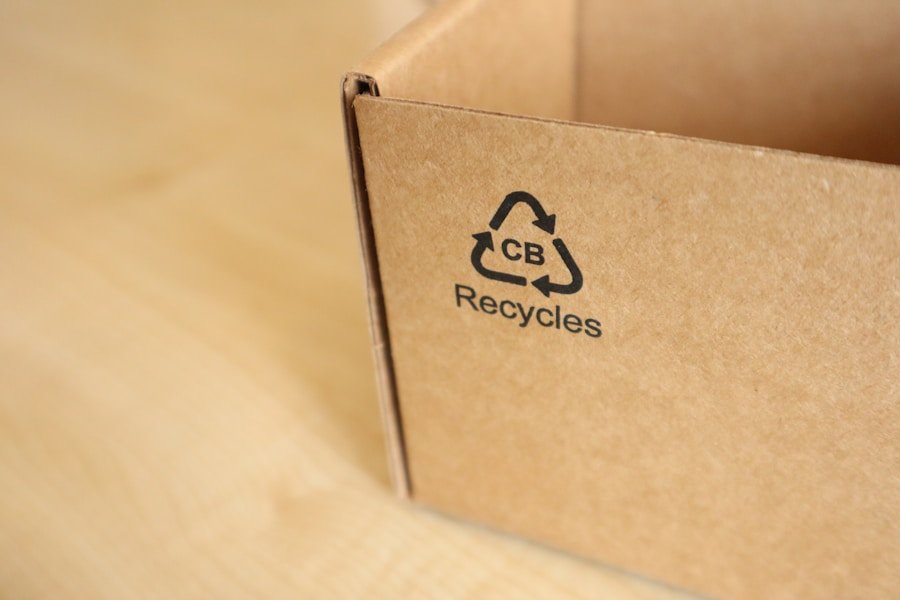
The increasing awareness of environmental challenges has led to a growing demand for sustainable practices across industries. Product design, as a foundational element in manufacturing and consumption, holds a significant position in addressing these concerns. This article explores the principles and methodologies behind eco-product design, focusing on its role in creating solutions that balance aesthetic appeal with environmental responsibility.
Defining Eco-Product Design
Eco-product design, often interchangeably referred to as sustainable design or green design, is an approach that integrates environmental considerations throughout the entire product lifecycle. It moves beyond merely making a product “recyclable” or using “natural materials” to encompass a holistic framework that seeks to minimize negative environmental impacts while maximizing positive social and economic benefits. This involves a fundamental shift in perspective, viewing products not as isolated entities but as components within a larger ecological system.
Life Cycle Assessment (LCA) in Eco-Design
At the core of eco-product design lies the Life Cycle Assessment (LCA). This systematic method quantifies the environmental impacts associated with all stages of a product’s life, from raw material extraction, through manufacturing, distribution, use, and ultimately, disposal or recycling. An LCA acts as a diagnostic tool, revealing environmental hotspots – those stages or components of a product that contribute most significantly to its ecological footprint. Without an LCA, eco-design efforts can be akin to addressing symptoms without understanding the root cause. For instance, a product made from recycled plastic may seem eco-friendly, but an LCA might reveal high energy consumption during the recycling process or significant transportation emissions, thus shifting the environmental burden to another stage.
Beyond Compliance
Eco-product design extends beyond simply meeting regulatory requirements. While compliance with environmental laws is a baseline, sustainable design aims for proactive innovation. It is an iterative process, constantly seeking to improve and refine solutions rather than settling for the bare minimum. This proactive stance distinguishes truly sustainable design from mere greenwashing, where superficial eco-friendly claims mask a lack of genuine commitment to environmental stewardship.
Principles of Sustainable Product Development
Effective eco-product design is guided by a set of core principles that inform decisions at every stage of development. These principles serve as a compass, directing designers toward solutions that are both environmentally sound and functionally viable.
Material Selection
The choice of materials profoundly influences a product’s environmental impact. Sustainable material selection prioritizes renewable resources, recycled content, and materials with low embodied energy – the total energy required to extract, process, manufacture, and transport a material. Designers seek materials that are non-toxic, biodegradable (where appropriate), and sourced from ethical and responsible supply chains. Consider the example of packaging: traditional petroleum-based plastics are increasingly being replaced by bioplastics derived from renewable sources, or by innovative molded pulp solutions using recycled paper, demonstrating a pivot towards materials that align with circular economy principles.
Design for Durability and Longevity
Planned obsolescence, a practice of designing products with deliberately limited lifespans to encourage repeat purchases, stands in direct opposition to sustainable design. Eco-product design emphasizes creating durable goods that resist premature failure. This means selecting robust materials, employing sound engineering, and ensuring products are repairable. A product designed to last for years reduces the demand for new resources and minimizes waste throughout its lifecycle. Think of a well-crafted piece of furniture versus a disposable item; the former, with its longevity, inherently possesses a higher degree of sustainability.
Design for Disassembly and Recycling
When a product reaches the end of its useful life, its components should ideally be recoverable and reintegrated into new production cycles. “Design for Disassembly” (DfD) is a critical principle that facilitates this process. It involves using modular components, standardized fasteners, and easily separable materials to enable efficient dismantling and sorting for recycling or reuse. Complex products with numerous different materials bonded together present a challenge for recycling infrastructure, often ending up in landfills due to the prohibitive cost of separation. By designing with disassembly in mind, the pathway to a circular economy becomes clearer.
Integrating Aesthetics and Functionality
Sustainable design does not necessitate a compromise on beauty or utility. On the contrary, elegant design can often be inherently sustainable, reflecting thoughtful resource allocation and a deep understanding of materials. The perceived dichotomy between aesthetics and sustainability is increasingly being challenged.
Form Follows Function (and Environment)
The modernist dictum “form follows function” can be expanded to include “form follows function and environment.” This means that the visual characteristics and practical utility of a product should also be influenced by its ecological performance. A design that is inherently efficient in its material use, for example, might possess a minimalist aesthetic that is both pleasing and environmentally responsible. Consider a product where structural integrity is achieved with minimal material due to intelligent design – this naturally leads to a form that is both strong and visually lightweight, demonstrating a confluence of efficiency and aesthetics.
Biophilic Design Elements
Biophilic design, which incorporates elements of nature into product design, can enhance both aesthetic appeal and perceived sustainability. This might involve using natural forms, textures, and colors, or integrating living elements where appropriate. The psychological benefits of connecting with nature are well-documented, and incorporating biophilic principles can create products that feel more harmonious and less artificial, fostering a deeper appreciation and potentially encouraging longevity of use.
Challenges and Opportunities in Eco-Product Design
The path to fully sustainable product design is not without its obstacles, but it also presents significant opportunities for innovation and market differentiation.
Economic Viability
A primary challenge is ensuring the economic viability of eco-friendly products. Sustainable materials or manufacturing processes can sometimes incur higher initial costs. However, a long-term perspective often reveals cost savings through reduced waste, lower energy consumption, and increased brand loyalty. Furthermore, as infrastructure for recycling and renewable energy expands, the cost differential for sustainable solutions is likely to diminish. Companies that invest in eco-design can also tap into growing consumer segments willing to pay a premium for ethically produced goods.
Consumer Education and Engagement
Consumers play a crucial role in the success of eco-product design. Lack of awareness about the benefits of sustainable products or confusion over “green” labels can hinder adoption. Effective communication strategies are essential to educate consumers about the environmental advantages and long-term value of eco-designed products. This includes clear labeling, accessible information about product lifecycles, and highlighting the positive impacts of their purchasing decisions. Empowered consumers can act as a powerful force for change, driving demand for more sustainable options.
Innovation in Materials and Processes
The field of materials science continues to offer new possibilities for sustainable design. Bioplastics, mycelium-based composites, advanced recycling technologies, and additive manufacturing (3D printing) are examples of innovations that reduce waste, conserve resources, and offer new design freedoms. Research and development in these areas are critical to overcoming current limitations and unlocking future potential. For designers, staying abreast of these emerging technologies is not merely beneficial; it is imperative for crafting truly forward-thinking and sustainable solutions.
The Future of Eco-Product Design
| Chapter | Metrics |
|---|---|
| Introduction | Overview of eco product design |
| Chapter 1 | Principles of sustainable design |
| Chapter 2 | Materials and their environmental impact |
| Chapter 3 | Designing for circular economy |
| Chapter 4 | Case studies of eco product design |
The trajectory of eco-product design points towards increasingly integrated and holistic approaches. The concept of a circular economy, where resources are kept in use for as long as possible, is gaining traction as a guiding framework.
Circular Economy Principles
The circular economy moves beyond the traditional “take, make, dispose” linear model. It envisions products designed for extended use, repair, refurbishment, and eventual recycling, creating a closed-loop system where waste is minimized. This requires a fundamental rethinking of business models, manufacturing processes, and consumer behavior. For instance, instead of selling products, some companies are exploring product-as-a-service models, where they retain ownership and responsibility for the product’s entire lifecycle, incentivizing durability and repair.
Digital Tools and AI in Eco-Design
Digital tools, including advanced simulation software and artificial intelligence (AI), are becoming indispensable in eco-product design. These technologies can rapidly analyze material impacts, optimize product structures for minimal material use, and predict wear patterns to enhance durability. AI can also assist in lifecycle assessments, identifying environmental hotspots with greater precision and speed than traditional manual methods. This technological augmentation empowers designers to make more informed decisions and explore a wider range of sustainable solutions.
Collaborative Ecosystems
Addressing complex environmental challenges requires collaboration across various stakeholders. Designers, manufacturers, policymakers, researchers, and consumers must work in concert to build a truly sustainable product ecosystem. Industry consortia focused on sustainable materials, open-source design platforms, and cross-sector partnerships are examples of collaborative efforts that can accelerate the adoption of eco-product design principles. This collective endeavor, like the intricate branches of a thriving ecosystem, can lead to solutions far greater than any individual effort.
In conclusion, eco-product design is not merely a trend but a fundamental shift in how we approach the creation of goods. It demands a thoughtful integration of environmental responsibility, aesthetic appeal, and functional performance. By embracing its principles and methodologies, designers and manufacturers can contribute to a more sustainable future, offering solutions that benefit both people and the planet. Readers are encouraged to consider these principles in their own consumption habits and to demand products that reflect a commitment to genuine environmental stewardship.