
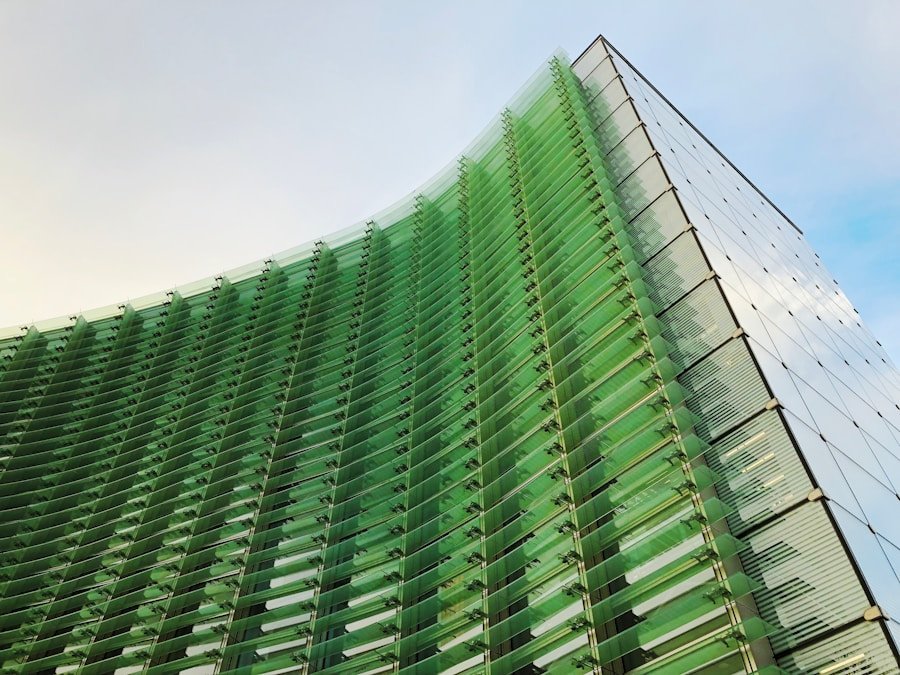
The eco-development of Casablanca, Morocco’s largest city, represents a complex undertaking to align its rapid urbanization with principles of sustainability. As a vital economic hub and a gateway to Africa, Casablanca faces the dual challenge of accommodating a growing population and economy while mitigating the environmental and social impacts inherent in this growth. This endeavor is not merely about adding green spaces; it’s about fundamentally reshaping how the city functions, from its infrastructure and energy consumption to its social equity and economic resilience. You, as the reader contemplating urban development, might see Casablanca as a case study, a petri dish where global trends in sustainable urbanism are being tested in a distinctly North African context.
Navigating the Urban Landscape: Challenges and Opportunities
Casablanca’s urban fabric is a tapestry woven from threads of its colonial past, its post-independence industrial surge, and its contemporary ambition. While this history has shaped a vibrant and dynamic metropolis, it has also presented a unique set of challenges for sustainable development. Understanding these challenges is crucial to appreciating the eco-development initiatives underway.
The Inheritance of Rapid Growth
The city’s population has grown exponentially, placing immense pressure on existing infrastructure. This growth, often characterized by informal settlements and unplanned expansion, has led to:
- Increased Demand for Resources: Water, energy, and food are in higher demand, straining local and regional supply chains.
- Waste Management Strain: The sheer volume of solid waste generated poses significant challenges for collection, treatment, and disposal, with direct implications for public health and environmental quality. Landfills are not endless voids, and their expansion often encroaches on valuable land and ecosystems.
- Pollution Vectors: Motorized transport, industrial activities, and inadequate sanitation contribute to air and water pollution, impacting the health and well-being of residents. The air you breathe in Casablanca, like in many large cities, is a tangible manifestation of its economic engine and transportation networks.
Environmental Pressures on a Coastal City
Casablanca’s location on the Atlantic coast brings its own set of environmental vulnerabilities, which sustainable planning aims to address.
Vulnerability to Climate Change
- Sea-Level Rise: As a coastal city, Casablanca is exposed to the risks associated with rising sea levels, including increased coastal erosion and the potential for saltwater intrusion into freshwater sources.
- Extreme Weather Events: Changes in climate patterns could lead to more frequent and intense heatwaves, droughts, and heavy rainfall events, each posing distinct challenges for urban infrastructure and public safety. The city’s resilience to these events is a key metric of its sustainability.
Resource Scarcity
- Water Stress: Morocco, and the Casablanca region in particular, is susceptible to water scarcity. Sustainable planning must prioritize efficient water use, wastewater recycling, and the protection of precious freshwater reserves. Water is not a limitless tap; it is a finite artery of urban life.
- Energy Dependence: The city’s reliance on fossil fuels for energy generation contributes to its carbon footprint. Transitioning to renewable energy sources is a cornerstone of its eco-development strategy.
Socio-Economic Dimensions of Sustainability
Eco-development is not solely an environmental concern; it is intrinsically linked to social equity and economic vitality.
Addressing Social Inequalities
- Access to Services: Rapid urbanization has often exacerbated inequalities in access to basic services such as housing, sanitation, healthcare, and education, particularly for marginalized communities. Sustainable planning seeks to ensure equitable distribution of these resources.
- Informal Economy and Employment: A significant portion of Casablanca’s workforce operates within the informal sector. Integrating these workers into formal, sustainable economic models is a complex but vital aspect of urban development.
Economic Transition and Innovation
- Shifting to a Green Economy: The ambition is to transform Casablanca into a hub for green industries, fostering innovation in areas like renewable energy, waste management, and sustainable construction. This transition creates new economic opportunities and enhances long-term resilience.
- Attracting Sustainable Investment: Creating an attractive environment for businesses that prioritize environmental and social responsibility is key to fostering long-term growth.
Frameworks for a Greener Casablanca: Policy and Strategy
The eco-development of Casablanca is guided by a series of strategic frameworks and policy interventions. These initiatives are designed to provide the roadmap and the regulatory environment necessary for a transition towards a more sustainable urban model. You can view these as the blueprints for the city’s future.
National and Regional Development Plans
Morocco’s national strategies for sustainable development and climate action provide the overarching context for Casablanca’s eco-development efforts. Key among these are:
- Morocco’s National Strategy for Sustainable Development (SNDD): This strategy outlines national priorities and targets for environmental protection, resource management, and the promotion of a green economy.
- National Climate Change Policy: Morocco’s commitment to reducing greenhouse gas emissions and adapting to the impacts of climate change influences urban planning decisions at all levels.
The Vision for Casablanca
Specific strategies tailored to the city’s unique context have been developed.
Strategic Urban Development Plans
- Master Plans and Zoning Regulations: These documents guide land use, regulate building densities, and designate areas for green infrastructure and conservation. They are the spatial language of the city’s intended growth.
- Sector-Specific Strategies: Plans focusing on areas like transport, energy, water management, and waste management are integrated to ensure a holistic approach.
Institutional Structures and Governance
Effective implementation relies on strong institutional leadership and collaborative governance.
Key Actors in Eco-Development
- Local Government Authorities: The Municipal Council and the Wilaya (regional prefecture) play a crucial role in policy implementation, urban planning approvals, and service delivery.
- National Ministries: Ministries responsible for environment, housing, energy, and transport provide regulatory frameworks and funding support.
- Public and Private Sector Partnerships: Collaboration between government agencies, private companies, and civil society organizations is essential for mobilizing resources and expertise.
- International Organizations and Donors: Support from international bodies often provides technical assistance, funding, and best practice sharing.
Regulatory and Financial Mechanisms
Policy is only effective when backed by robust regulations and financial incentives.
Promoting Sustainable Practices
- Building Codes and Standards: Implementing energy-efficient building codes and encouraging the use of sustainable materials are critical for reducing the environmental impact of the built environment.
- Environmental Impact Assessments (EIAs): Mandatory EIAs for new projects help identify and mitigate potential environmental consequences.
- Incentives and Subsidies: Financial mechanisms, such as tax breaks or subsidies, can encourage the adoption of renewable energy, green building practices, and sustainable transportation.
- Polluter Pays Principle: Mechanisms to internalize the environmental costs of pollution can drive behavioral change in industries and individuals.
Greening the Urban Metabolism: Key Sectors of Intervention
The eco-development of Casablanca targets several key sectors that form the “metabolism” of the city – the processes through which it consumes resources and produces waste. Intervening in these sectors is essential for achieving sustainability goals. Think of these as the vital organs of the urban body.
Sustainable Transportation and Mobility
Casablanca’s reliance on private vehicles has contributed significantly to traffic congestion and air pollution. A shift towards sustainable mobility is a priority.
Enhancing Public Transport Networks
- Tramway and Bus Rapid Transit (BRT): The expansion of the tramway network and the introduction of BRT systems aim to provide efficient and accessible public transportation options. These are the arteries designed to move large numbers of people smoothly.
- Integration of Transport Modes: Efforts to create seamless connections between different modes of transport, including rail, bus, and future metro lines, are crucial for encouraging modal shift.
Promoting Active and Shared Mobility
- Cycling Infrastructure: While still in its nascent stages, there is a growing recognition of the need to develop safe and accessible cycling lanes.
- Car-Sharing and Ride-Sharing Initiatives: Encouraging the use of shared vehicles can reduce the number of private cars on the road.
Intelligent Traffic Management
- Smart Traffic Systems: The implementation of smart traffic management systems aims to optimize traffic flow and reduce congestion, thereby lowering fuel consumption and emissions.
Energy Efficiency and Renewable Energy
Reducing energy consumption and transitioning to cleaner energy sources are central to Casablanca’s eco-development.
Improving Building Energy Performance
- Energy Audits and Retrofitting: Encouraging energy audits in existing buildings and promoting retrofitting measures can significantly reduce energy demand.
- Passive Design Strategies: Incorporating passive design principles in new constructions, such as natural ventilation and optimal building orientation, can minimize reliance on active energy systems.
Harnessing Renewable Energy Sources
- Solar Energy: Casablanca’s climate offers significant potential for solar energy. Initiatives include the installation of solar panels on public buildings and the promotion of solar water heating systems.
- Wind Energy: While not directly within the city limits, Morocco’s broader investment in wind energy contributes to a cleaner national grid.
Water Management and Conservation
Water scarcity is a significant challenge, necessitating a comprehensive approach to water management.
Efficient Water Use and Distribution
- Leak Detection and Repair: Investing in infrastructure to reduce water losses through leaks in the distribution network is a fundamental step.
- Water-Saving Technologies: Promoting the adoption of water-efficient fixtures and appliances in both residential and commercial properties.
Wastewater Treatment and Reuse
- Expanding Wastewater Treatment Capacity: Investing in advanced wastewater treatment facilities is crucial for protecting water bodies and enabling water reuse.
- Treated Wastewater for Non-Potable Uses: Exploring the use of treated wastewater for irrigation, industrial processes, and other non-potable applications can conserve freshwater resources.
Waste Management and the Circular Economy
Transforming waste from a burden into a resource is a key objective of eco-development.
Reducing, Reusing, and Recycling
- Waste Segregation at Source: Implementing programs to encourage household and commercial waste segregation to improve the efficiency of recycling and composting.
- Promoting Reuse Initiatives: Supporting platforms and businesses that facilitate the reuse of materials and products.
Modernizing Waste Treatment and Disposal
- Waste-to-Energy Technologies: Exploring the potential of waste-to-energy conversion technologies to generate energy from non-recyclable waste.
- Landfill Management: Improving the management of existing landfills and exploring more sustainable methods for inert waste disposal.
- Circular Economy Principles: Encouraging businesses and industries to adopt circular economy models that minimize waste generation and maximize resource utilization.
Green Spaces and Urban Resilience
Integrating green infrastructure and enhancing urban resilience are crucial for improving the quality of life and mitigating environmental risks.
Expanding Green Infrastructure
The presence of green spaces in an urban environment is not merely aesthetic; it serves vital ecological and social functions.
Parks, Gardens, and Urban Forests
- Creation and Rehabilitation of Parks: Developing new parks and rehabilitating existing green spaces to provide areas for recreation, improve air quality, and enhance biodiversity.
- Urban Forestry Initiatives: Planting trees along streets, in public spaces, and in designated urban forest areas to combat the urban heat island effect, absorb carbon dioxide, and improve aesthetic appeal.
Sustainable Drainage Systems (SuDS)
- Green Roofs and Walls: Encouraging the adoption of green roofs and vertical gardens to manage stormwater, reduce building energy consumption, and improve air quality.
- Permeable Pavements: Implementing permeable materials for roads and sidewalks to allow rainwater to infiltrate the ground, reducing surface runoff and the risk of flooding.
Enhancing Biodiversity and Ecosystem Services
Urban planning can actively promote biodiversity within the city.
Creating Green Corridors
- Connecting Green Spaces: Establishing green corridors that link parks and other natural areas, allowing for the movement of wildlife and promoting ecological connectivity.
- Biodiversity-Friendly Landscaping: Using native plant species in public landscaping to support local fauna and reduce the need for irrigation and pesticides.
Protecting and Restoring Natural Habitats
- Coastal Ecosystems: Implementing measures to protect and restore coastal wetlands and marine ecosystems, which are vital for Casablanca’s ecological health and resilience.
- Waterfront Development: Integrating green infrastructure and ecological considerations into the development of the city’s waterfront areas.
Building Climate Resilience
Sustainable urban planning is inherently linked to enhancing the city’s ability to withstand and adapt to the impacts of climate change.
Flood Risk Management
- Natural Flood Defenses: Utilizing green infrastructure, such as wetlands and permeable surfaces, to absorb excess water and reduce the risk of urban flooding.
- Improved Drainage Infrastructure: Upgrading and maintaining the city’s drainage systems to cope with increased rainfall intensity.
Combating the Urban Heat Island Effect
- Increasing Green Cover: The strategy of planting more trees and creating more green spaces directly combats the phenomenon of the urban heat island effect, where cities are significantly warmer than surrounding rural areas.
- Cool Pavements and Reflective Surfaces: Utilizing materials that reflect solar radiation, such as light-colored pavements, can help reduce ambient temperatures.
Community Engagement and Social Inclusion
| Metrics | Data |
|---|---|
| Population Growth | 3.5% annually |
| Green Spaces | 15% of city area |
| Public Transportation Usage | 40% of population |
| Renewable Energy Usage | 20% of total energy consumption |
The success of any eco-development initiative hinges on the active participation and buy-in of the city’s residents.
Fostering Public Awareness and Education
Educating the public about the importance of sustainability and the role they can play is fundamental.
Environmental Education Programs
- School Curricula Integration: Incorporating environmental education into school curricula to foster an early understanding of sustainability principles.
- Public Awareness Campaigns: Launching campaigns to inform citizens about waste reduction, water conservation, and energy efficiency.
Citizen Science and Participation
- Involving Residents in Planning: Creating platforms for public consultation and engagement in urban planning processes.
- Community-Based Environmental Projects: Supporting community-led initiatives focused on local environmental improvement, such as urban gardening or neighborhood clean-ups.
Ensuring Social Equity in Green Development
Sustainable development must not create new inequalities or exacerbate existing ones.
Affordable Green Housing
- Promoting Sustainable Building in Low-Income Areas: Ensuring that the benefits of green building technologies and practices are accessible to all segments of the population.
- Retrofitting Existing Affordable Housing: Implementing energy-efficient upgrades in existing low-income housing to reduce utility costs.
Equitable Access to Green Spaces and Services
- Distribution of Parks and Recreational Facilities: Ensuring that green spaces and recreational amenities are equitably distributed across all neighborhoods.
- Access to Sustainable Transport for All: Designing public transportation systems that are affordable and accessible to all residents, regardless of their socioeconomic status.
Empowering Local Communities
Giving communities a voice in their own development is essential for long-term success.
Supporting Local Initiatives
- Micro-Grants for Green Projects: Providing small grants to support community-led environmental initiatives.
- Capacity Building for Local Groups: Offering training and resources to empower community organizations involved in sustainability efforts.
Integrating Informal Settlements
- Improving Living Conditions: Developing strategies to improve infrastructure, sanitation, and access to services in informal settlements, making them more sustainable and livable.
- Participatory Planning with Informal Communities: Engaging residents of informal settlements directly in the planning and implementation of improvements.
The Road Ahead: Monitoring, Innovation, and Future Prospects
The eco-development of Casablanca is an ongoing journey, requiring continuous adaptation, innovation, and a commitment to long-term vision.
Measuring Progress and Impact
Robust monitoring and evaluation frameworks are essential for tracking the effectiveness of sustainability initiatives.
Key Performance Indicators (KPIs)
- Environmental Metrics: Tracking air and water quality, greenhouse gas emissions, energy consumption, and waste generation rates.
- Social Metrics: Monitoring access to services, employment in green sectors, and public perception of sustainability initiatives.
- Economic Metrics: Assessing the growth of green industries and the impact on local businesses.
Data Collection and Analysis
- Establishing Monitoring Systems: Developing comprehensive data collection systems to track progress across various sectors.
- Regular Reporting: Publishing regular reports on the city’s sustainability performance to ensure transparency and accountability.
Embracing Innovation and Technology
Casablanca has the potential to become a leader in urban innovation for the African continent.
Smart City Solutions
- Leveraging Technology: Utilizing smart technologies for efficient resource management, traffic control, and public service delivery.
- Data-Driven Urban Planning: Employing data analytics to inform urban planning decisions and optimize resource allocation.
Fostering Green Entrepreneurship
- Incubators and Accelerators: Supporting incubators and accelerators that foster innovation in green technologies and sustainable business models.
- Research and Development: Encouraging collaboration between universities, research institutions, and the private sector to drive innovation in urban sustainability.
Challenges and Opportunities on the Horizon
While progress is being made, significant challenges remain.
Persistent Challenges
- Financing Sustainable Development: Securing adequate funding for large-scale eco-development projects remains a critical hurdle.
- Behavioral Change: Encouraging widespread adoption of sustainable behaviors among citizens and businesses requires sustained effort.
- Synergies and Integration: Ensuring effective coordination and integration between different sectors and stakeholders is essential.
Future Prospects
- Regional Leadership: Casablanca has the opportunity to serve as a model for other African cities seeking to embark on their own paths to sustainable urban development.
- Enhanced Livability and Resilience: The ultimate goal is to create a city that is not only environmentally sound but also economically vibrant, socially inclusive, and resilient to future challenges.
- A Living Laboratory: You, as an observer or participant in urban development, can see Casablanca as a dynamic experiment, continually evolving and offering valuable lessons for the global pursuit of sustainable cities. The lessons learned here can ripple outwards, informing the development of countless other urban centers.