
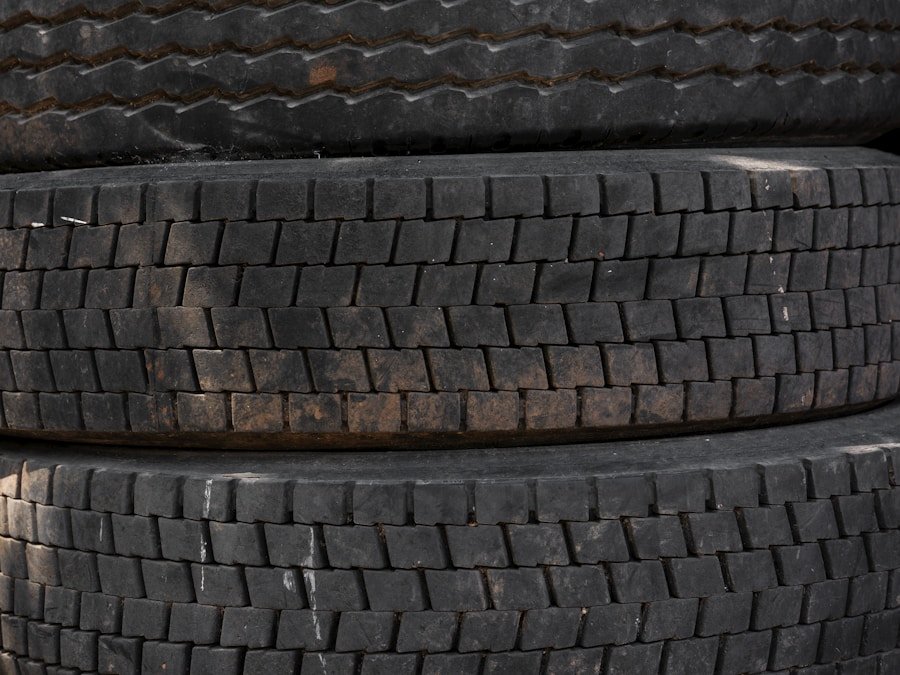
Jakarta, the sprawling capital of Indonesia, faces significant environmental challenges, including solid waste management and resource depletion. In response, a growing ecosystem of startups is embracing circular economy principles, aiming to redefine consumption and production patterns. These innovative companies are not merely addressing local issues; they are also establishing a foothold in the global market, offering solutions that demonstrate the economic viability of sustainable practices. This article explores some of these pioneering Jakarta-based startups, highlighting their approaches and the broader implications of their work.
The Urgency of Circularity in Jakarta
Jakarta’s population of over 10 million generates vast quantities of waste daily. Landfills are rapidly reaching capacity, and informal waste collection systems often lead to environmental pollution. This situation has spurred a recognition of the need for systemic change, moving away from a linear “take-make-dispose” model towards a circular economy. In a circular economy, resources are kept in use for as long as possible, extracting the maximum value from them whilst in use, then recovering and regenerating products and materials at the end of each service life. This paradigm shift is particularly pertinent in a city like Jakarta, where resource scarcity and environmental degradation are palpable realities.
Waste as a Resource
Many Jakarta-based circular economy startups view waste not as a problem, but as a valuable resource waiting to be repurposed. This fundamental shift in perspective underpins their business models. By transforming discarded materials into new products or energy, they are effectively closing loops in the production cycle. This approach not only reduces landfill burden but also creates new economic opportunities and minimizes reliance on virgin resources.
Local Solutions, Global Impact
While these startups address specific challenges within Jakarta, their innovative solutions often have wider applicability. The principles they employ – waste valorization, resource efficiency, and sustainable consumption – are universal. Consequently, many are finding traction beyond Indonesian borders, contributing to a global movement towards a more sustainable economic paradigm.
Pioneering Startups in Waste Valorization
Several startups in Jakarta are leading the charge in converting various waste streams into useful products. Their work spans diverse sectors, demonstrating the broad applicability of circular economy principles.
Evoware
Evoware is a company focused on developing biodegradable and edible packaging solutions. Addressing the pervasive problem of plastic waste, particularly in the food and beverage industry, Evoware utilizes seaweed as a primary material for its products.
- Edible Packaging: Their flagship products include edible cups, sachets for food seasonings, and food wrappers. These products are designed to decompose naturally or be consumed, thereby eliminating post-consumer waste.
- Technological Innovation: The development of seaweed-based alternatives requires significant research and development. Evoware has invested in processes that extract and convert seaweed polysachharides into a stable, functional material for packaging applications.
- Market Penetration: Evoware has successfully introduced its products to local markets and is exploring international distribution channels. Their work serves as a practical example of how businesses can mitigate plastic pollution through material innovation.
Waste4Change
Waste4Change focuses on comprehensive waste management services, from collection to recycling and sustainable waste treatment. They advocate for responsible waste management by offering tailored solutions for individuals, businesses, and communities.
- End-to-End Solutions: Waste4Change provides services such as waste collection, sorting, and responsible disposal through their “send-your-waste” program. They also offer waste management consulting for businesses aiming to improve their environmental footprint.
- Education and Awareness: A significant component of their work involves educating the public on proper waste segregation and the importance of recycling. They run various campaigns and workshops to foster a behavioral shift towards mindful waste disposal.
- Data-Driven Approach: The startup utilizes data to optimize waste collection routes and track the lifecycle of collected waste, promoting transparency and efficiency in their operations. Their model helps bridge the gap between waste generation and responsible waste processing.
Greeneration Indonesia
While not solely a startup in the traditional sense, Greeneration Indonesia, through its various initiatives and partnerships with emerging businesses, acts as a catalyst for sustainable consumption. Their focus is on promoting a “zero-waste lifestyle” and supporting businesses that align with this philosophy.
- Product Development and Sourcing: Greeneration Indonesia identifies and promotes products that are designed for durability, reusability, or biodegradability. They often collaborate with local artisans and small businesses to bring these products to market.
- Community Engagement: They organize workshops, seminars, and community events to raise awareness about sustainable living and encourage the adoption of eco-friendly practices. This includes promoting products like reusable bags, water bottles, and menstrual cups.
- Policy Advocacy: Greeneration Indonesia also engages in advocacy for policies that support a circular economy, such as regulations on single-use plastics and incentives for sustainable businesses. Their work underscores the interconnectedness of consumer behavior, business practices, and government policy in achieving sustainability.
Resource Recovery and Upcycling Innovators
Beyond direct waste valorization, other startups are focusing on recovering resources from complex waste streams or upcycling discarded materials into higher-value products. This segment often involves more intricate technological processes or creative design solutions.
Rebricks
Rebricks is a company that transforms plastic waste and other non-recyclable materials into construction bricks and other building components. They provide an innovative solution to the dual problems of plastic pollution and the demand for sustainable construction materials.
- Material Science and Engineering: The process involves shredding and mixing various types of plastic waste with other binding agents, then molding them into durable bricks. This demonstrates a practical application of material science to address environmental issues.
- Product Applications: Their products include paving blocks, wall bricks, and other construction elements, suitable for both residential and commercial projects. This provides a sustainable alternative to traditional construction materials, which often have high embodied energy.
- Scalability Challenges: While the concept is sound, scaling up production to meet significant construction material demands presents logistical and technical challenges. However, Rebricks is actively working on expanding its capacity and refining its processes.
Gringgo Recycling
Gringgo Recycling leverages artificial intelligence (AI) and digital platforms to improve waste collection and sorting efficiency. Their technology aims to formalize and professionalize the informal waste sector, which plays a crucial role in Jakarta’s waste management.
- AI-Powered Waste Recognition: Gringgo develops AI models that can identify and categorize different types of waste, assisting waste pickers and recycling facilities in more efficient sorting. This technology can significantly reduce the manual effort and error in waste segregation.
- Digital Marketplace for Waste: They are building a platform that connects waste generators with recycling facilities, creating a more transparent and efficient market for recyclable materials. This can empower informal waste pickers by providing better access to markets and fairer prices for their collected materials.
- Empowering Informal Workers: By integrating informal waste pickers into a more formalized system, Gringgo contributes to their economic well-being and improves the overall efficiency of the waste management ecosystem. This social dimension is an important aspect of a just transition to a circular economy.
Redefining Consumption: Sharing and Reuse Platforms
Another facet of Jakarta’s circular economy movement involves startups that promote sharing, reuse, and repair, extending the lifespan of products and reducing the need for new purchases. These platforms often leverage digital technology to connect users and facilitate transactions.
RentSmart
RentSmart is a sharing economy platform that allows users to rent out or borrow a wide range of items, from electronics and tools to clothing and event equipment. This model directly addresses overconsumption by promoting product utilization rather than ownership.
- Diverse Product Catalogue: The platform hosts a varied inventory, enabling users to access items they need temporarily without the commitment of purchasing. This is particularly beneficial for items that are used infrequently.
- Community Building: RentSmart fosters a community of conscious consumers who value access over ownership. This social aspect can contribute to a broader shift in consumer behavior.
- Economic Benefits: For item owners, it provides an opportunity to monetize underutilized assets, while renters benefit from cost savings and reduced environmental impact. The platform acts as a digital bridge between those who have and those who need, temporarily.
Secondate
Secondate focuses on the fashion industry, promoting the resale and reuse of clothing and accessories. This startup addresses the environmental impact of fast fashion by extending the lifecycle of garments.
- Curated Marketplace: Secondate provides a platform for individuals to sell their pre-loved clothing, often with a focus on quality and style. This helps combat the perception of second-hand items as being inferior.
- Promoting Sustainable Fashion: By making it easier and more appealing to buy and sell used clothing, Secondate contributes to a more sustainable fashion ecosystem. This reduces the demand for new garments, which often have significant environmental footprints in terms of water, energy, and chemical use.
- Circular Business Model: The platform itself operates on circular principles, facilitating the circulation of existing garments rather than encouraging new production. They are a cog in the wheel of a fashion industry that is increasingly looking to become more sustainable.
The Role of Technology and Investment
| Startup Name | Focus Area | Market Reach | Revenue Growth |
|---|---|---|---|
| Waste4Change | Waste Management | Local and Regional | 20% YoY |
| Evoware | Biodegradable Packaging | Global | 30% YoY |
| Circulate Capital | Plastic Waste Management | Asia-Pacific | N/A |
The growth of Jakarta’s circular economy startups is inextricably linked to advancements in technology and increasing investor interest in sustainable ventures. Technology acts as an enabler, while investment provides the necessary capital for scaling.
Digital Platforms as Enablers
Digital platforms are crucial for many of these startups. They facilitate connections between waste generators and processors, enable peer-to-peer sharing, and provide data-driven insights for optimizing circular processes. These platforms effectively act as the nerves of the circular economy, transmitting information and facilitating transactions.
- Improved Efficiency: AI-powered sorting, blockchain for supply chain transparency, and IoT devices for waste tracking can significantly improve the efficiency and effectiveness of circular systems.
- Accessibility and Reach: Digital platforms lower barriers to entry for participants, making it easier for individuals and small businesses to engage in circular practices.
- Data Collection and Analysis: These platforms generate valuable data that can be used to understand consumption patterns, identify waste hotspots, and inform policy decisions.
Growing Investor Confidence
Traditionally, sustainable businesses faced challenges in attracting investment. However, there is a growing recognition among investors that circular economy models can be both environmentally beneficial and financially lucrative. This shift is driven by increasing consumer demand for sustainable products, stricter environmental regulations, and the long-term economic benefits of resource efficiency.
- Impact Investing: A rising trend in impact investing sees investors seeking both financial returns and positive social or environmental impact. Circular economy startups are often prime candidates for this type of investment.
- Government Support and Incentives: The Indonesian government and local authorities are increasingly recognizing the importance of the circular economy and are exploring policies and incentives to support its development.
- Corporate Partnerships: Larger corporations are also looking to integrate circular economy principles into their operations, leading to partnerships and investments in innovative startups. These partnerships can provide startups with access to larger markets and resources.
Challenges and Future Outlook
While Jakarta’s circular economy startups are making commendable progress, they face a number of challenges that need to be addressed for sustained growth and broader impact.
Infrastructure and Policy Gaps
One of the significant hurdles is the existing waste management infrastructure, which is often inadequate for supporting sophisticated circular processes. Policies and regulations also need to evolve to better facilitate circular economy practices, such as extended producer responsibility schemes and incentives for sustainable production.
- Collection and Sorting: Improving initial waste segregation at the source and efficient collection systems are critical for providing clean feedstock for recycling and upcycling facilities.
- Regulatory Frameworks: Clearer regulations regarding recycled content in products, labeling standards for sustainable products, and economic incentives for circular businesses are needed.
- Investment in Green Infrastructure: There is a need for more investment in infrastructure that supports circular activities, such as advanced recycling facilities, repair hubs, and shared resource centers.
Consumer Behavior and Awareness
Despite growing awareness, ingrained linear consumption habits remain a barrier. Shifting consumer behavior towards preferring durable, reusable, and recycled products requires ongoing education and accessible circular options.
- Educating the Public: Continuous campaigns to educate consumers about the environmental and economic benefits of circularity are essential.
- Ease of Access: Making circular products and services easily accessible and affordable for the average consumer is crucial for widespread adoption.
- Changing Perceptions: Overcoming the perception that “second-hand” or “recycled” means lower quality is also a key challenge.
Scalability and Funding
Many startups face challenges in scaling their operations to meet market demand and in securing sufficient funding for expansion. While investor interest is growing, the capital requirements for industrial-scale circular solutions can be substantial.
- Long-Term Funding: Circular economy projects often require longer investment horizons due to the nature of establishing new supply chains and infrastructure.
- Access to Technology and Expertise: Access to advanced technology and specialized expertise in material science, engineering, and supply chain management is vital for scaling.
- Collaboration and Partnerships: Fostering collaboration between startups, established industries, research institutions, and government bodies can accelerate growth and overcome resource limitations.
In conclusion, Jakarta’s circular economy startups represent a dynamic and crucial response to the city’s environmental and resource challenges. They are demonstrating that a more sustainable economic model is not only possible but also commercially viable. By transforming waste into value, promoting resource efficiency, and redesigning consumption patterns, these innovators are not only cleaner for the environment but also laying the groundwork for a resilient and prosperous future, extending their influence far beyond the city’s boundaries and contributing to a global shift towards a circular economy. The journey ahead involves continuous innovation, supportive policy environments, and a fundamental shift in consumer and producer mindsets.