
Regenerative luxury travel is a growing trend in the travel industry, as more and more travelers seek out experiences that not only provide them with luxury and comfort, but also contribute to the well-being of the environment and local communities. This type of travel focuses on sustainability, conservation, and social responsibility, and aims to leave a positive impact on the destinations visited. Regenerative luxury travel offers a unique opportunity for travelers to immerse themselves in the local culture, support local businesses, and engage in activities that promote environmental conservation and social empowerment. In this article, we will explore the appeal of two popular destinations, Paris and Dubai, as regenerative luxury travel destinations, and compare their sustainable practices. We will also provide insights into the experiences of regenerative luxury travel in both cities, and discuss the future of this emerging trend.
The Appeal of Paris as a Regenerative Luxury Travel Destination
Paris, often referred to as the “City of Light,” is a timeless and enchanting destination that has long been associated with luxury and romance. However, in recent years, the city has also made significant strides in promoting sustainability and responsible tourism. Paris is home to a number of eco-friendly hotels, restaurants, and attractions that cater to the growing demand for regenerative luxury travel experiences. The city’s commitment to reducing its carbon footprint and preserving its cultural heritage has made it an appealing destination for travelers seeking a luxurious yet sustainable experience. From exploring the city’s historic landmarks to indulging in gourmet cuisine made from locally-sourced ingredients, Paris offers a wide range of regenerative luxury travel experiences that allow visitors to immerse themselves in the city’s rich history and culture while supporting sustainable practices.
The Allure of Dubai as a Regenerative Luxury Travel Destination
Dubai, known for its opulent skyscrapers, luxurious resorts, and extravagant shopping malls, may not seem like an obvious choice for regenerative luxury travel. However, the city has been making significant efforts to promote sustainability and responsible tourism in recent years. Dubai’s commitment to environmental conservation and social responsibility is evident in its efforts to reduce its carbon footprint, protect its natural resources, and support local communities. The city is home to a number of eco-friendly hotels, restaurants, and attractions that cater to the growing demand for regenerative luxury travel experiences. From exploring the city’s modern architecture to indulging in world-class dining experiences that prioritize locally-sourced ingredients, Dubai offers a unique blend of luxury and sustainability that appeals to discerning travelers seeking meaningful and impactful experiences.
Comparing Sustainable Practices in Paris and Dubai
When comparing sustainable practices in Paris and Dubai, it is important to consider the unique challenges and opportunities that each city faces. Paris, with its rich history and cultural heritage, has focused on preserving its architectural landmarks, promoting eco-friendly transportation options, and supporting local artisans and businesses. The city has also implemented initiatives to reduce air pollution and promote sustainable urban development. In contrast, Dubai has focused on reducing its carbon footprint, protecting its natural resources, and supporting local communities through initiatives such as sustainable agriculture and wildlife conservation. Both cities have made significant strides in promoting sustainability and responsible tourism, and offer a wide range of regenerative luxury travel experiences that cater to the growing demand for meaningful and impactful travel experiences.
Experiencing Regenerative Luxury Travel in Paris
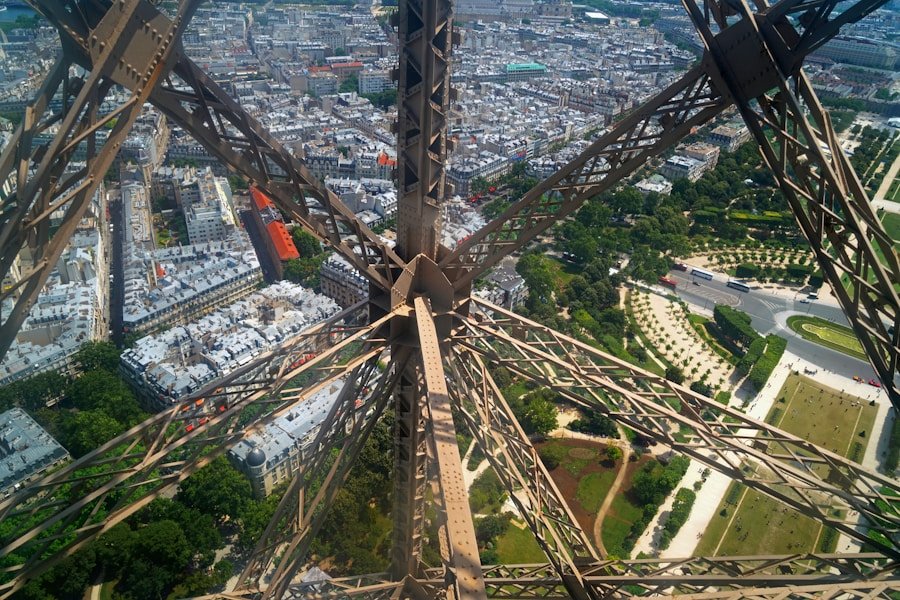
Experiencing regenerative luxury travel in Paris offers travelers a unique opportunity to immerse themselves in the city’s rich history and culture while supporting sustainable practices. From staying at eco-friendly hotels that prioritize energy efficiency and waste reduction to dining at restaurants that source their ingredients from local farmers and producers, Paris offers a wide range of regenerative luxury travel experiences that allow visitors to make a positive impact on the environment and local communities. Travelers can also explore the city’s historic landmarks, such as the Eiffel Tower and Notre-Dame Cathedral, while learning about the city’s efforts to promote sustainability and responsible tourism. Additionally, participating in eco-friendly transportation options, such as cycling or using public transit, allows travelers to reduce their carbon footprint while exploring the city’s charming neighborhoods and vibrant street markets.
Experiencing Regenerative Luxury Travel in Dubai
Experiencing regenerative luxury travel in Dubai offers travelers a unique opportunity to indulge in opulent experiences while supporting sustainable practices. From staying at eco-friendly resorts that prioritize water conservation and energy efficiency to dining at restaurants that prioritize locally-sourced ingredients and support sustainable agriculture, Dubai offers a wide range of regenerative luxury travel experiences that allow visitors to make a positive impact on the environment and local communities. Travelers can also explore the city’s modern architecture and innovative urban development projects while learning about the city’s efforts to reduce its carbon footprint and protect its natural resources. Additionally, participating in eco-friendly activities such as desert safaris or wildlife conservation tours allows travelers to engage with the city’s unique natural environment while supporting conservation efforts.
The Future of Regenerative Luxury Travel
As the demand for meaningful and impactful travel experiences continues to grow, regenerative luxury travel is poised to become an increasingly important trend in the travel industry. Destinations such as Paris and Dubai have made significant strides in promoting sustainability and responsible tourism, offering travelers a wide range of regenerative luxury travel experiences that cater to their desire for luxury, comfort, and social responsibility. The future of regenerative luxury travel lies in the continued collaboration between travelers, businesses, and local communities to promote sustainability, conservation, and social empowerment. By supporting eco-friendly practices, engaging in meaningful cultural experiences, and making a positive impact on the destinations visited, travelers can contribute to the well-being of the environment and local communities while indulging in luxurious and enriching travel experiences. As more destinations embrace regenerative luxury travel principles, the future of travel will be defined by a commitment to sustainability, conservation, and social responsibility.