
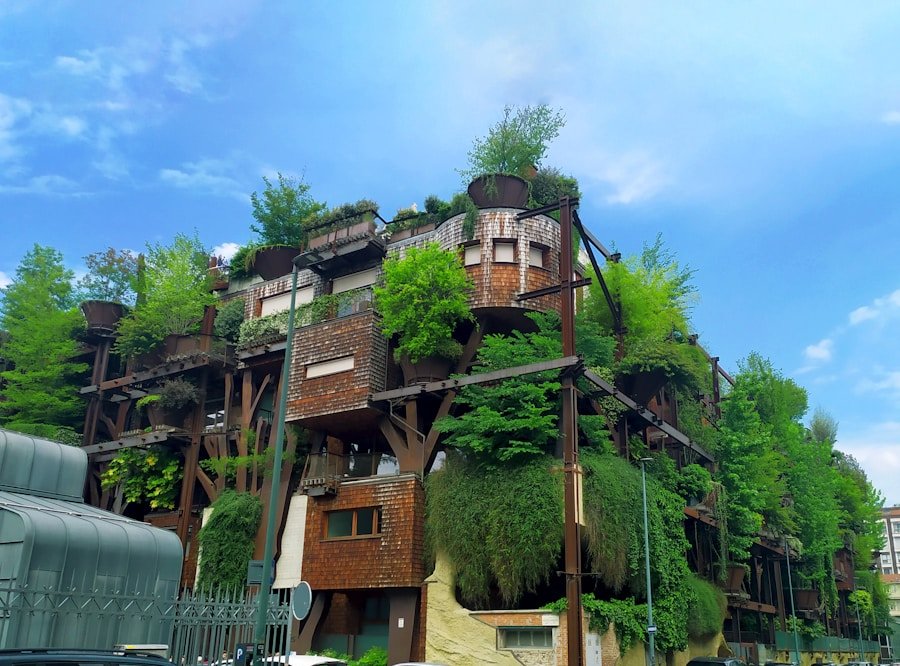
Paris and Dubai are two cities that have made significant strides in implementing green initiatives to combat environmental challenges. While both cities face unique environmental issues, they have each taken innovative approaches to address them. Paris, known for its commitment to sustainability, has implemented a number of green initiatives aimed at reducing carbon emissions and promoting renewable energy. On the other hand, Dubai, a city known for its rapid urban development, has also made significant efforts to incorporate green technologies and sustainable practices into its infrastructure. By comparing the green initiatives in Paris and Dubai, we can gain valuable insights into the different approaches taken by these cities and the impact of their efforts on the environment.
Environmental challenges in Paris and Dubai
Paris, like many other major cities, faces a number of environmental challenges, including air pollution, waste management, and urban sprawl. The city has experienced high levels of air pollution, particularly from traffic emissions, which has led to health concerns for residents. Additionally, Paris has struggled with waste management, with a significant amount of waste being sent to landfills each year. Urban sprawl has also been a concern, as the city continues to expand, putting pressure on natural resources and increasing carbon emissions. In contrast, Dubai faces its own set of environmental challenges, including extreme heat, water scarcity, and rapid urbanization. The city’s desert climate presents unique challenges for sustainability, as it requires significant energy and water resources to support its growing population and infrastructure.
Green innovations in Paris
Paris has been at the forefront of green innovation, implementing a number of initiatives to reduce its environmental impact. One of the city’s most notable initiatives is the Paris Climate Plan, which aims to reduce carbon emissions by 75% by 2050. The plan includes measures to promote renewable energy, improve energy efficiency in buildings, and reduce reliance on fossil fuels. Additionally, Paris has made significant investments in public transportation, with the expansion of its metro system and the introduction of electric buses. The city has also implemented policies to promote sustainable urban development, such as green building standards and incentives for green roofs and facades.
Another key innovation in Paris is the development of sustainable infrastructure, such as the Seine River project, which aims to create a more sustainable and resilient urban environment. The project includes measures to improve water quality, reduce flood risk, and enhance biodiversity along the river. Paris has also made efforts to promote sustainable food systems, with initiatives to reduce food waste and promote local and organic produce. These innovations have positioned Paris as a leader in sustainable urban development and have set a precedent for other cities around the world.
Green innovations in Dubai
Dubai has also made significant strides in implementing green initiatives to address its environmental challenges. One of the city’s most notable initiatives is the Dubai Clean Energy Strategy 2050, which aims to make Dubai a global hub for clean energy and green economy. The strategy includes targets to increase the share of clean energy in the city’s energy mix to 75% by 2050 and reduce carbon emissions by 16% by 2021. To achieve these targets, Dubai has invested heavily in renewable energy projects, such as solar power plants and wind farms. The city has also implemented policies to promote energy efficiency, such as building codes that require new buildings to meet green building standards.
In addition to its focus on clean energy, Dubai has also made efforts to address water scarcity through innovative technologies. The city has implemented measures to improve water efficiency, such as the use of treated wastewater for irrigation and the development of desalination plants. Dubai has also invested in sustainable transportation, with the introduction of electric vehicles and the expansion of its public transportation system. These green innovations have positioned Dubai as a leader in sustainable development in the Middle East and have demonstrated the city’s commitment to addressing its environmental challenges.
Comparing the impact of green initiatives in Paris and Dubai
The impact of green initiatives in Paris and Dubai can be seen in their efforts to reduce carbon emissions, promote renewable energy, and improve sustainability. In Paris, the implementation of the Paris Climate Plan has led to a significant reduction in carbon emissions and an increase in renewable energy capacity. The city’s investments in public transportation and sustainable infrastructure have also contributed to a more sustainable urban environment. Similarly, in Dubai, the Dubai Clean Energy Strategy 2050 has led to a significant increase in clean energy capacity and a reduction in carbon emissions. The city’s focus on water efficiency and sustainable transportation has also contributed to a more sustainable urban environment.
While both cities have made significant progress in implementing green initiatives, they have faced unique challenges and taken different approaches to address them. Paris has focused on promoting sustainable urban development and reducing reliance on fossil fuels, while Dubai has focused on clean energy and water efficiency. Despite these differences, both cities have demonstrated a strong commitment to sustainability and have set an example for other cities around the world.
Future prospects for green innovation in Paris and Dubai
The future prospects for green innovation in Paris and Dubai are promising, as both cities continue to invest in sustainable development and address their environmental challenges. In Paris, the city has set ambitious targets to further reduce carbon emissions and promote renewable energy. The implementation of the Paris Climate Plan will continue to drive investments in clean energy and sustainable infrastructure, while efforts to promote sustainable food systems will contribute to a more resilient urban environment.
In Dubai, the city’s focus on clean energy and water efficiency will continue to drive investments in renewable energy projects and innovative technologies. The Dubai Clean Energy Strategy 2050 will play a key role in reducing carbon emissions and promoting a green economy, while efforts to improve water efficiency will contribute to addressing water scarcity in the region. Additionally, Dubai’s investments in sustainable transportation will contribute to reducing traffic congestion and air pollution.
The potential for collaboration and knowledge sharing in green innovation between Paris and Dubai
As two cities that have demonstrated strong commitments to sustainability, there is great potential for collaboration and knowledge sharing between Paris and Dubai. Both cities have implemented innovative approaches to address their environmental challenges and can learn from each other’s experiences. By sharing best practices and collaborating on green initiatives, Paris and Dubai can work together to drive further progress in sustainable development and address global environmental challenges.
Paris can share its expertise in sustainable urban development and renewable energy with Dubai, while Dubai can share its experience in clean energy and water efficiency with Paris. By working together, these two cities can set an example for other cities around the world and drive further progress in addressing environmental challenges. The potential for collaboration between Paris and Dubai represents an exciting opportunity to drive further innovation in sustainable development and create more resilient urban environments for future generations.