
Morocco’s Transition to a Greener Economy: Successes and Challenges
Morocco is pursuing a strategy of economic transformation aimed at integrating sustainable development principles into its national economic framework. This transition seeks to move away from a carbon-intensive growth model towards one that prioritizes renewable energy, resource efficiency, and environmental protection. The nation’s commitment to this shift is driven by a confluence of factors, including the desire to enhance energy security, mitigate the impacts of climate change, and attract green investment. This article examines the key successes and ongoing challenges associated with Morocco’s journey towards a greener economy.
Renewable Energy Expansion: A Pillar of the Green Transition
Morocco has set ambitious targets for renewable energy deployment, recognizing its potential to address energy deficits and reduce reliance on imported fossil fuels. This strategy is not merely an environmental policy; it is a central component of its economic development agenda. The nation’s geographic advantages, particularly its extensive coastline and sunny interior, provide a fertile ground for solar and wind power generation.
Solar Power Initiatives
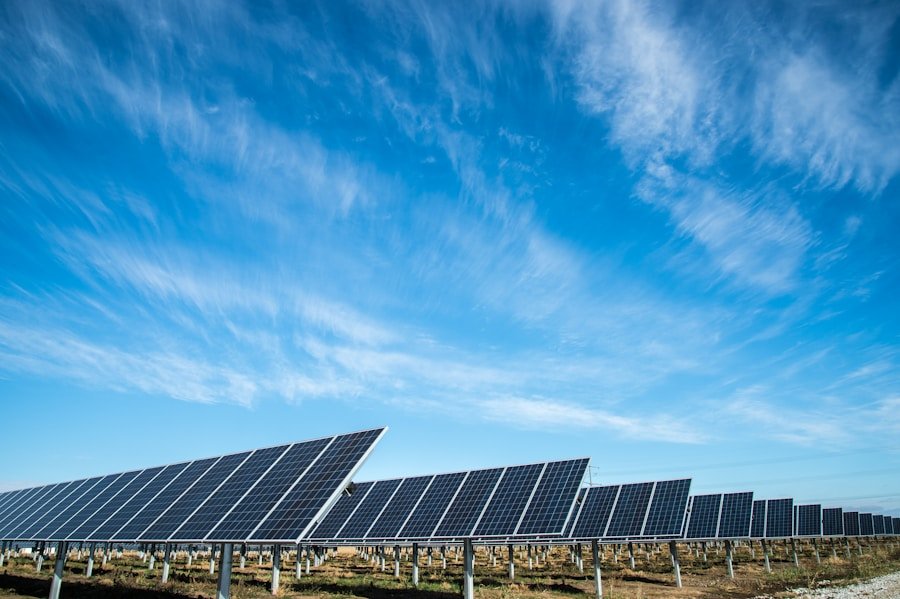
The flagship project in Morocco’s renewable energy push has been the development of the Noor Ouarzazate solar power complex. This megaproject, one of the largest concentrated solar power (CSP) plants in the world, showcases Morocco’s commitment to harnessing solar energy. The complex utilizes a combination of CSP technology, which uses mirrors to concentrate sunlight and generate heat, and photovoltaic (PV) technology, which converts sunlight directly into electricity.
Technological Advancements and Phased Development
The Noor Ouarzazate project has been implemented in several phases, each introducing different technological approaches and scaling up production. The initial phases focused on CSP with molten salt storage, allowing for electricity generation even after sunset. Subsequent phases have incorporated PV technology, offering a broader spectrum of renewable energy solutions. This phased approach has allowed Morocco to gain experience, refine its implementation strategies, and attract international expertise and investment. The success of this complex has served as a powerful demonstration of the viability of large-scale solar power in the region.
Contribution to National Energy Mix
The significant capacity brought online by the Noor Ouarzazate complex and other solar projects across the country has substantially increased the share of solar energy in Morocco’s national electricity mix. This not only diversifies the energy sources but also contributes to reducing the country’s carbon footprint. The ability to generate electricity from a domestic, inexhaustible resource like the sun offers a degree of energy independence that is strategically important for Morocco.
Wind Energy Development
Alongside solar power, Morocco has also made considerable strides in developing its wind energy sector. Coastal regions and mountain passes offer ideal conditions for wind turbines, and investments have been channeled into establishing large-scale wind farms.
Strategic Site Selection and Turbine Integration
The selection of sites for wind farms has been a critical factor in their success. Areas with consistent, strong winds have been prioritized, often leveraging existing infrastructure or the potential for new development. The integration of these farms into the national grid has required significant upgrades to transmission networks, ensuring that the variable output of wind power can be managed effectively. This process has involved careful planning to avoid grid instability and optimize the flow of electricity.
Economic and Employment Opportunities
Wind energy projects have also generated considerable economic benefits, including job creation during construction and operation, and have fostered the development of local supply chains. The manufacturing and maintenance of wind turbines, for example, have presented opportunities for vocational training and the establishment of specialized businesses. This localized economic impact is a key aspect of the green transition, ensuring that the benefits are distributed within the country.
Water Management and Resource Efficiency: Addressing Scarcity
Morocco is a country that faces significant water scarcity, a challenge exacerbated by climate change and increasing demand from agriculture and urban populations. The green transition, therefore, must encompass robust strategies for water management and resource efficiency across all sectors.
Desalination Plants: Augmenting Water Supply
To address the growing water deficit, Morocco has invested heavily in desalination technology. The construction of several large-scale desalination plants along its coastline aims to convert seawater into potable water, supplementing traditional sources like rivers and groundwater.
Technological Adoption and Scale of Operation
These desalination plants utilize advanced reverse osmosis (RO) technology, which is energy-intensive but increasingly efficient. The scale of these operations is substantial, reflecting the urgency of the water challenge. For example, the Agadir desalination plant is designed to produce significant volumes of water daily, catering to both domestic and agricultural needs in an arid region. The integration of renewable energy sources to power these plants is a growing focus to mitigate their operational carbon footprint.
Challenges in Energy Consumption and Brine Disposal
A primary challenge associated with desalination is its high energy consumption. While renewable energy integration is a priority, the current reliance on conventional power sources for some plants contributes to the overall carbon emissions. Furthermore, the disposal of brine, a concentrated saltwater byproduct of the desalination process, poses environmental concerns, requiring careful management to prevent negative impacts on marine ecosystems. This is akin to managing the residue of a vital process diligently to prevent secondary harm.
Irrigation Modernization and Agricultural Efficiency
Agriculture remains a cornerstone of the Moroccan economy, but it is also a major consumer of water. Modernizing irrigation techniques and promoting water-efficient agricultural practices are therefore crucial components of the green transition.
Transitioning to Drip and Micro-Irrigation
There has been a concerted effort to transition from traditional flood irrigation methods to more efficient techniques such as drip irrigation and micro-sprinklers. These systems deliver water directly to the plant roots, significantly reducing water loss through evaporation and runoff. This targeted approach ensures that water is used precisely where and when it is needed.
Impact on Crop Yields and Water Conservation
The adoption of modern irrigation has demonstrated positive impacts on crop yields while simultaneously conserving precious water resources. This represents a win-win scenario, supporting agricultural productivity and reinforcing water security. The shift requires investment in new infrastructure and farmer education, highlighting the need for ongoing support and incentives.
Sustainable Agriculture and Food Systems: Cultivating Resilience
Morocco’s agricultural sector is vital for its economy and food security, but it is also highly vulnerable to climate change. The transition to a greener economy necessitates the development of more sustainable and resilient agricultural practices.
Promoting Organic Farming and Agroecology
There is a growing emphasis on promoting organic farming and agroecological principles, which focus on ecological balance and biodiversity. These approaches aim to enhance soil health, reduce reliance on chemical inputs, and build resilience against environmental shocks.
Reduced Chemical Inputs and Soil Health Improvement
By minimizing the use of synthetic pesticides and fertilizers, organic farming contributes to cleaner water and healthier ecosystems. Furthermore, practices like crop rotation, cover cropping, and the use of compost improve soil structure and fertility, making farms more robust in the face of drought and extreme weather. This is like nurturing the soil as a living entity, rather than treating it as inert ground.
Market Access and Consumer Awareness
The success of these initiatives is linked to market access for organic produce and increasing consumer awareness and demand for sustainably produced food. Government support in terms of certification, marketing, and the establishment of farmer cooperatives plays a crucial role in bolstering this segment of the agricultural sector.
Climate-Smart Agriculture Investments
Investments are being directed towards climate-smart agricultural practices that not only produce food but also help mitigate and adapt to climate change. This includes diversifying crops to include those better suited to changing climatic conditions and developing drought-resistant varieties.
Drought-Resistant Crops and Water-Saving Technologies
Research and development are focused on identifying and promoting crop varieties that can withstand prolonged periods of drought and high temperatures. This, coupled with the adoption of water-saving irrigation technologies, forms a critical defense strategy for Moroccan agriculture in an increasingly unpredictable climate.
Policy Support and Farmer Education
Effective policy frameworks that incentivize the adoption of climate-smart practices, alongside comprehensive farmer education and extension services, are essential for widespread implementation. This requires a sustained commitment to knowledge transfer and capacity building within the agricultural community.
Eco-Tourism and Biodiversity Conservation: Valuing Natural Capital
Morocco’s rich natural heritage, from its diverse landscapes to its unique biodiversity, presents significant opportunities for developing a sustainable eco-tourism sector. This approach aims to leverage natural assets while ensuring their long-term preservation.
Developing Ecotourism Destinations
Efforts are underway to develop and promote ecotourism destinations that offer authentic experiences while minimizing environmental impact. This includes establishing national parks, biosphere reserves, and protected areas that can attract visitors interested in nature, wildlife, and cultural heritage.
Infrastructure Development and Sustainable Practices
The development of ecotourism infrastructure often emphasizes low-impact designs, the use of local materials, and energy-efficient technologies. Accommodations are encouraged to adopt sustainable practices, such as waste management, water conservation, and the sourcing of local produce for their kitchens. This is about building a tourism model that leaves a light footprint on the land.
Community Engagement and Benefit Sharing
Community engagement is a vital aspect of successful ecotourism. Local communities are often involved in the management of protected areas, offering guiding services, and providing local crafts and products. This ensures that tourism benefits accrue to local populations, fostering a sense of ownership and stewardship.
Biodiversity Protection and Conservation Efforts
Morocco’s biodiversity is a national treasure, and conservation efforts are gaining momentum within the framework of the green transition. This includes protecting endangered species and their habitats, as well as promoting sustainable land management practices that support ecological balance.
Designation of Protected Areas and Wildlife Corridors
The designation of new protected areas and the establishment of wildlife corridors are key strategies for safeguarding biodiversity. These measures aim to create safe havens for species and facilitate their movement between fragmented habitats, ensuring genetic diversity and population viability.
Combating Poaching and Illegal Wildlife Trade
Effective enforcement of anti-poaching laws and measures to combat the illegal wildlife trade are crucial for protecting vulnerable species. This requires collaboration between government agencies, local communities, and international partners.
Challenges and Future Directions: Navigating the Path Ahead
| Successes | Challenges |
|---|---|
| Increased investment in renewable energy | Dependency on fossil fuels |
| Implementation of sustainable agriculture practices | Water scarcity |
| Development of eco-tourism initiatives | Waste management |
Despite the progress made, Morocco’s transition to a greener economy is not without its hurdles. Addressing these challenges is key to ensuring the long-term success and sustainability of the nation’s environmental and economic goals.
Financing the Green Transition
The significant investments required for renewable energy infrastructure, water management systems, and sustainable agricultural practices represent a substantial financial undertaking. Mobilizing sufficient domestic and international finance remains a critical challenge.
Attracting Foreign Direct Investment and Green Bonds
Morocco actively seeks foreign direct investment (FDI) in its green sectors. The issuance of green bonds and the development of innovative financing mechanisms are also being explored to attract capital for sustainable projects.
Public-Private Partnerships and International Aid
The establishment of robust public-private partnerships (PPPs) is essential for leveraging private sector expertise and capital. International aid and climate finance from multilateral institutions play a vital role in supplementing national efforts.
Technological Adoption and Capacity Building
While Morocco has embraced advanced technologies, ensuring their widespread adoption and the development of local expertise to operate and maintain them is an ongoing process.
Skill Development and Vocational Training
Investing in skill development and vocational training programs tailored to the needs of the green economy is paramount. This includes equipping the workforce with the technical skills required for renewable energy installation, maintenance, water treatment, and sustainable agriculture.
Research and Development in Green Technologies
Fostering research and development in green technologies, adapted to local conditions and needs, can drive further innovation and cost reduction. This includes areas like energy storage, efficient water purification, and climate-resilient crop development.
Policy Implementation and Regulatory Frameworks
The effectiveness of Morocco’s green transition hinges on the robust implementation of its policies and the harmonization of its regulatory frameworks. Ensuring coherence and consistent application across different sectors and regions is a continuous endeavor.
Inter-Ministerial Coordination and Stakeholder Engagement
Effective coordination between various government ministries and agencies is crucial to avoid duplication and ensure a unified approach. Engaging with private sector actors, civil society organizations, and local communities is essential for building consensus and ensuring that policies are practical and equitable.
Monitoring, Evaluation, and Adaptive Management
Establishing robust systems for monitoring, evaluation, and adaptive management is critical for tracking progress, identifying unintended consequences, and making necessary adjustments to policies and strategies. This iterative approach allows for course correction and continuous improvement. Morocco’s journey towards a greener economy is a dynamic process, akin to charting a course through evolving seas. The nation’s early successes in renewable energy and water management provide a strong foundation, but sustained commitment to addressing financial, technological, and policy challenges will be essential to navigate this complex transition successfully and secure a more sustainable future.