
Greening the Middle East: Exploring the Top 7 Eco-Friendly Networks
The Middle East, a region often associated with vast deserts and hydrocarbon resources, is witnessing a significant shift towards environmental sustainability. This transformation is being propelled by a growing network of organizations and initiatives dedicated to ecological preservation and the development of eco-friendly solutions. These networks, often operating at the intersection of technology, policy, and community engagement, are laying the groundwork for a greener future in a region facing unique environmental challenges. This article will explore seven prominent eco-friendly networks that are driving this change.
1. Renewable Energy Alliances
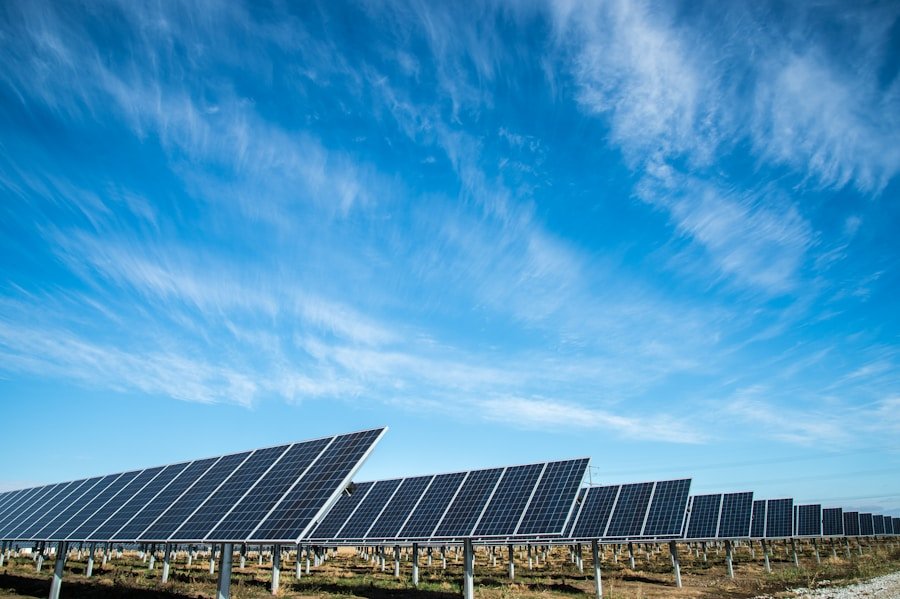
The Middle East possesses an abundant natural resource for solar energy, and a significant aspect of its greening movement involves consolidating efforts to harness this potential. Renewable energy alliances are crucial in this regard, acting as catalysts for both policy advocacy and technological advancement.
1.1. Policy Harmonization and Advocacy
These alliances work at a governmental level to encourage the adoption of supportive policies for renewable energy deployment. This includes advocating for favorable feed-in tariffs, streamlined permitting processes, and the creation of regulatory frameworks that attract investment. Countries within the region are increasingly setting ambitious renewable energy targets, and these alliances play a vital role in helping them achieve these goals by fostering collaboration and knowledge sharing. They act as a bridge between the scientific community, industry leaders, and policymakers, ensuring that sound environmental principles are integrated into national energy strategies. Consider them the architects of the legislative scaffolding that supports the soaring towers of solar and wind farms.
1.2. Investment and Technology Transfer Platforms
Beyond policy, these networks facilitate the flow of capital and expertise into the renewable energy sector. They connect investors with viable projects, conduct feasibility studies, and promote the adoption of cutting-edge technologies. This can range from large-scale solar power plants to distributed solar solutions for communities. The focus is on creating a robust ecosystem where innovation can thrive and be deployed efficiently. This involves fostering partnerships with international technology providers and local manufacturers to ensure that the region is not just a consumer of green technology but also a producer.
1.3. Regional Grid Integration Initiatives
A significant challenge for many regions is the intermittent nature of renewable energy sources. Renewable energy alliances are increasingly exploring initiatives for regional grid integration. This involves interconnected power grids that can balance supply and demand across borders, making renewable energy more reliable and cost-effective. Such integration can turn individual national efforts into a robust regional power system, akin to several individual rivers flowing into a mighty delta, increasing overall capacity and stability.
2. Sustainable Agriculture and Water Management Networks
Water scarcity is a defining characteristic of the Middle East, making sustainable agriculture and water management paramount. Networks focused on these areas are developing and disseminating innovative techniques to optimize resource utilization.
2.1. Smart Irrigation and Desalination Technologies
These networks are at the forefront of promoting water-efficient irrigation methods, such as drip irrigation and precision farming, which can drastically reduce water consumption in agriculture. Concurrently, they are exploring and advocating for advanced desalination technologies that are more energy-efficient and environmentally sound, mitigating the ecological footprint of water production. This is not about simply finding more water, but about treating every drop as a precious commodity, like gold in an arid land.
2.2. Drought-Resistant Crop Development
Another critical area of focus is the development and promotion of drought-resistant crop varieties. Networks collaborate with research institutions and farmers to identify, cultivate, and disseminate crops that can thrive with minimal water. This resilience is essential for ensuring food security in a changing climate.
2.3. Water Harvesting and Conservation Programs
Community-based water harvesting techniques, such as rainwater capture and the rehabilitation of traditional water systems, are also being championed by these networks. They engage local populations, empowering them with knowledge and tools to manage their water resources more effectively. These programs are like planting seeds of awareness in the soil of communities, yielding a harvest of mindful water usage.
3. Waste Management and Circular Economy Hubs
The challenge of mounting waste in urban and industrial centers necessitates efficient waste management strategies and the adoption of circular economy principles. These hubs are instrumental in transforming waste from a liability into an asset.
3.1. Recycling and Upcycling Initiatives
Networks focused on waste management are establishing and supporting initiatives for comprehensive recycling and upcycling programs. This involves creating infrastructure for the collection, sorting, and processing of various waste streams, diverting them from landfills. The aim is to extract maximum value from discarded materials, much like a skilled alchemist transforming base metals into precious ones.
3.2. Renewable Energy from Waste Projects
Furthermore, these hubs are actively pursuing projects that convert waste into energy through methods like anaerobic digestion and waste-to-incineration plants. These technologies not only reduce the volume of waste but also contribute to the region’s renewable energy portfolio.
3.3. Promoting Sustainable Consumption Patterns
Beyond mere waste processing, these networks are engaged in public awareness campaigns and educational programs to promote sustainable consumption patterns. This includes encouraging reduced consumption, product reuse, and responsible disposal, fostering a cultural shift towards minimizing waste generation at its source.
4. Urban Green Infrastructure Networks
As urbanization accelerates, integrating green spaces and sustainable urban planning becomes vital for improving air quality, managing stormwater, and enhancing the livability of cities.
4.1. Green Building Standards and Certification
These networks are instrumental in promoting the adoption of green building standards and certification systems. This encourages the construction of energy-efficient buildings that utilize sustainable materials, incorporate renewable energy sources, and minimize their environmental impact throughout their lifecycle. Buildings designed with ecological principles in mind are like lungs for the city, breathing in pollution and exhaling cleaner air.
4.2. Urban Forestry and Biodiversity Conservation
Initiatives focused on increasing urban green cover, including tree planting campaigns and the creation of urban parks and green corridors, are being spearheaded by these networks. They also work to conserve and enhance urban biodiversity, creating more resilient and ecologically functional cityscapes.
4.3. Sustainable Transportation Solutions
The networks also advocate for and implement sustainable transportation solutions, such as promoting public transport, cycling infrastructure, and the adoption of electric vehicles. This aims to reduce traffic congestion and associated air pollution, contributing to healthier urban environments.
5. Environmental Education and Awareness Networks
The long-term success of any greening initiative hinges on widespread public understanding and engagement. Environmental education and awareness networks are the bedrock upon which this broader societal transformation is built.
5.1. School and University Programs
These networks collaborate with educational institutions to integrate environmental education into curricula at all levels. This equips younger generations with the knowledge and critical thinking skills necessary to address environmental challenges. They are like the skilled gardeners tending to the minds of the future, planting the seeds of ecological stewardship.
5.2. Community Outreach and Public Campaigns
Beyond formal education, these networks conduct extensive outreach programs and public awareness campaigns. These initiatives utilize various media and platforms to inform the public about environmental issues, promote sustainable practices, and foster a sense of collective responsibility. This is about igniting a spark of consciousness within the vast populace, leading to a cascade of informed decisions.
5.3. Skill-Building for Green Jobs
Recognizing the economic dimensions of sustainability, these networks also focus on developing training programs and workshops aimed at equipping individuals with the skills needed for emerging green jobs. This not only contributes to environmental protection but also fosters economic development and creates new employment opportunities.
6. Marine and Coastal Ecosystem Preservation Networks
The Middle East boasts extensive coastlines and significant marine biodiversity. Networks dedicated to their preservation are crucial for ecological health and economic sustainability.
6.1. Coral Reef Protection and Restoration
These networks are involved in critical efforts to protect and restore coral reefs, which are vital marine ecosystems facing threats from pollution and climate change. This includes scientific research, community engagement, and the implementation of conservation strategies. Protecting these underwater cities is as vital as protecting our own.
6.2. Mangrove Reforestation and Coastal Zone Management
Mangrove forests play a crucial role in coastal protection and biodiversity. Networks are actively engaged in reforestation efforts and promoting integrated coastal zone management plans that balance development with ecological preservation.
6.3. Combating Marine Pollution
Addressing marine pollution from plastic waste, oil spills, and industrial discharge is a key focus. These networks implement clean-up initiatives, advocate for stricter regulations, and promote the adoption of cleaner industrial practices.
7. Climate Change Adaptation and Resilience Networks
In a region particularly vulnerable to the impacts of climate change, networks focused on adaptation and resilience are essential for safeguarding communities and ecosystems.
7.1. Climate Risk Assessment and Early Warning Systems
These networks work on assessing climate-related risks, such as extreme heat events, water scarcity, and sea-level rise. They develop and implement early warning systems to help communities prepare for and respond to climate-related disasters. These systems act as sentinels, forewarning of approaching storms in the climate’s brewing atmosphere.
7.2. Developing Resilient Infrastructure
A significant aspect of their work involves advocating for and implementing resilient infrastructure that can withstand the impacts of a changing climate. This includes designing buildings, transportation networks, and water systems to be more robust and adaptable.
7.3. Promoting Climate-Smart Agriculture and Land Use
These networks also promote climate-smart agricultural practices and sustainable land-use planning that can help mitigate the effects of climate change on food production and natural resources. This involves shifting towards practices that are both productive and environmentally conscious in the face of evolving climatic conditions.
In conclusion, the “Greening the Middle East” initiative is not a singular endeavor but a complex tapestry woven from the threads of numerous dedicated networks. These organizations, operating across a spectrum of environmental challenges, are demonstrating a commitment to sustainable development, innovation, and collaboration. Their collective efforts are steadily reshaping the region, proving that ecological stewardship can indeed flourish in even the most challenging of landscapes.