
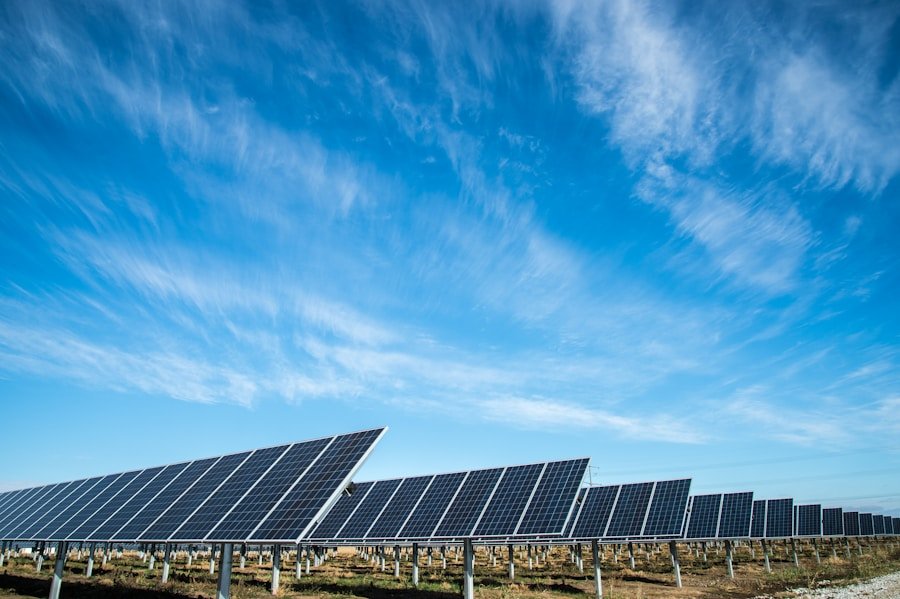
Environmental Business Engineering (EBE) represents an interdisciplinary field focused on integrating environmental considerations into business operations to achieve both ecological responsibility and economic benefit. It moves beyond traditional compliance-based approaches to sustainability, advocating for proactive strategies that redesign processes, products, and supply chains. This article will explore the core tenets of EBE, its methodologies, its impact on corporate sustainability, and the challenges and future directions of this evolving discipline.
Defining Environmental Business Engineering
EBE is the application of engineering principles and business management strategies to minimize environmental impact while maximizing economic efficiency and stakeholder value. It views environmental stewardship not merely as a cost center but as an opportunity for innovation, competitive advantage, and long-term financial gain. Rather than simply reacting to regulations or public pressure, EBE champions a proactive stance, embedding environmental thinking into the foundational design of a business.
From Compliance to Innovation
Historically, environmental efforts in business often centered on meeting regulatory requirements, acting as a brake on potential environmental damage. EBE shifts this paradigm. Consider the transition from a traditional manufacturing process that generates significant waste byproducts, which then require costly disposal and compliance fees, to a redesigned process where waste is minimized at the source, or even repurposed as a valuable input for another process. This illustrates the move from a reactive, cost-intensive approach to a proactive, value-generating one. EBE encourages businesses to see environmental challenges as catalysts for innovation, leading to novel solutions, improved processes, and new product development.
The Interdisciplinary Foundation
EBE draws from a diverse array of disciplines. Engineering provides the tools for process optimization, material science, and life cycle assessment. Business management offers frameworks for strategic planning, financial analysis, marketing, and supply chain management. Environmental science informs the understanding of ecological impacts and resource management. This fusion allows EBE practitioners to bridge the gap between technical solutions and business objectives, creating holistic strategies that address both environmental performance and the bottom line. It’s akin to building a bridge with strong foundations on both banks, rather than trying to span a chasm from only one side.
Methodologies and Tools in EBE
The practice of EBE employs a suite of methodologies and tools designed to systematically identify, assess, and mitigate environmental impacts within business operations. These tools facilitate data-driven decision-making and enable the quantification of both environmental and economic outcomes.
Life Cycle Assessment (LCA)
LCA is a cornerstone of EBE, providing a comprehensive framework for evaluating the environmental impacts associated with all stages of a product’s life cycle, from raw material extraction through processing, manufacturing, distribution, use, repair, maintenance, and disposal or recycling. By analyzing the “cradle-to-grave” journey, businesses can pinpoint environmental hotspots—areas where the greatest impact occurs—and prioritize interventions. For example, an LCA of a smartphone might reveal that the most significant environmental burden lies not in its manufacturing, but in the energy consumption during its use phase, or the mining of rare earth metals for its components. This granular understanding allows for targeted design changes or behavioral nudges.
Eco-Design and Design for Environment (DfE)
Eco-design, also known as Design for Environment (DfE), integrates environmental considerations directly into product and process design. This means thinking about a product’s end-of-life—its recyclability, reusability, or biodegradability—at its inception. It also involves selecting materials with lower environmental impact, optimizing resource use during manufacturing, and designing for energy efficiency during product usage. Consider the simple example of packaging: a traditional product might be over-packaged with multiple layers of non-recyclable materials. An eco-designed version would use minimal, recyclable, or compostable packaging, reducing waste and associated disposal costs. This proactive design approach is far more effective than trying to manage waste after it’s already been generated.
Industrial Ecology and Circular Economy Principles
Industrial ecology views industrial systems as interconnected ecosystems, aiming to minimize waste and maximize resource efficiency through closed-loop systems. This involves concepts like industrial symbiosis, where the waste product of one industry becomes a valuable input for another. Circular economy principles take this a step further, advocating for a systemic shift away from the traditional linear “take-make-dispose” model. Instead, it promotes designing out waste and pollution, keeping products and materials in use, and regenerating natural systems. Imagine a manufacturing facility where effluent water, once treated as waste, is now purified and reused within the same facility or supplied to a nearby agricultural operation. This embodies the essence of industrial ecology, turning a liability into an asset.
EBE and Corporate Sustainability
EBE plays a pivotal role in operationalizing corporate sustainability goals, translating abstract commitments into tangible actions and measurable outcomes. It provides the mechanisms through which businesses can achieve environmental performance while simultaneously enhancing their financial standing and reputation.
Cost Reduction and Efficiency Gains
One of the most immediate and tangible benefits of EBE implementation is cost reduction. By optimizing resource use, minimizing waste, and enhancing energy efficiency, businesses can significantly lower operational expenses. Consider a company that invests in energy-efficient machinery or implements a robust waste segregation and recycling program. The upfront investment in EBE might be considerable, but the long-term savings on energy bills, raw material costs, and waste disposal fees can quickly outweigh these initial outlays. This is not just about incremental improvements; it’s about fundamentally rethinking processes to eliminate inefficiencies at their root.
Enhanced Brand Reputation and Customer Loyalty
In an era of increasing environmental awareness, consumers and stakeholders are more likely to support businesses that demonstrate genuine commitment to sustainability. EBE, by providing verifiable proof of environmental performance, can significantly enhance a company’s brand reputation. Businesses that proactively address environmental concerns are often perceived as more responsible, innovative, and forward-thinking. This can translate into increased customer loyalty, market share, and investor confidence. A brand known for its eco-friendly products and ethical practices, for example, often garners a loyal customer base willing to pay a premium for its offerings.
Risk Mitigation and Regulatory Compliance
EBE helps businesses navigate the complex landscape of environmental regulations and anticipate future policy changes. By proactively designing for environmental performance, companies can reduce their exposure to fines, penalties, and legal challenges. Furthermore, it allows businesses to stay ahead of evolving regulatory standards, positioning them as leaders rather than laggards. This proactive approach acts as a robust shield against potential reputational damage and financial liabilities. A company that has already adopted stringent internal environmental standards is less likely to be caught off guard by new government mandates.
Challenges and Barriers to EBE Adoption
Despite the clear benefits, the implementation of EBE faces several challenges. These can range from internal corporate resistance to external market pressures, requiring a concerted effort to overcome.
Initial Investment Costs
One of the primary hurdles is the often-substantial upfront investment required for EBE initiatives. Redesigning processes, upgrading machinery, or implementing new technologies can entail significant capital expenditure. For businesses operating on tight margins or with short-term financial horizons, justifying these investments can be difficult, even with clear long-term returns. It’s like planting a tree: the initial effort is significant, but the fruit comes later. Convincing stakeholders of this long-term vision is crucial.
Lack of Awareness and Expertise
Many businesses may lack the internal expertise or awareness of EBE methodologies and their potential benefits. There can be a knowledge gap regarding how to conduct LCAs, implement eco-design principles, or integrate circular economy models into existing operations. This can manifest as a resistance to change or a perception that environmental initiatives are solely a cost rather than an opportunity. Education and training are essential to bridge this knowledge gap.
Supply Chain Complexity and Collaboration
Implementing EBE effectively often requires collaboration across complex supply chains. A company might have excellent internal environmental practices, but if its suppliers or distributors do not share the same commitment, the overall environmental impact can still be significant. Orchestrating change across multiple independent entities, each with its own priorities and resources, can be a formidable task, akin to directing a symphony where each musician plays to their own beat.
Future Directions of Environmental Business Engineering
| Metrics | Data |
|---|---|
| Energy Consumption | 20% reduction in energy consumption over 5 years |
| Waste Management | 50% increase in recycling rate |
| Carbon Emissions | 30% decrease in carbon emissions per unit of production |
| Water Usage | 10% reduction in water usage through efficiency measures |
| Sustainable Sourcing | 100% of raw materials sourced from sustainable suppliers |
EBE is a dynamic field, continually evolving to address emerging environmental challenges and leverage technological advancements. Its future trajectory will likely involve deeper integration with digitalization, advanced materials, and policy frameworks.
Digitalization and Data Analytics
The increasing availability of data and the advancements in digital technologies, such as artificial intelligence (AI), machine learning, and the Internet of Things (IoT), will significantly enhance EBE capabilities. These tools can facilitate more accurate and real-time environmental impact assessments, optimize resource allocation, and predict potential environmental risks. For example, AI could analyze vast datasets to identify optimal material choices for eco-design based on environmental impact and cost, far surpassing human capabilities. This offers a powerful lens through which to view and manage environmental performance.
Advanced Materials and Biotechnologies
Innovation in materials science, including the development of biodegradable plastics, bio-based materials, and advanced composites, will provide EBE practitioners with a wider array of sustainable options. Biotechnologies also hold promise, particularly in areas like waste treatment and resource recovery. These advancements will enable the creation of products and processes that are inherently more environmentally benign, pushing the boundaries of what is possible in sustainable design.
Policy and Regulatory Evolution
Governments and international bodies are increasingly recognizing the importance of sustainable business practices. Future policy frameworks are likely to become more stringent, pushing businesses toward greater environmental responsibility. EBE will be crucial in helping companies not only comply with these regulations but also to influence their development, advocating for policies that foster innovation and enable widespread adoption of sustainable practices. This interplay between EBE and policy will shape the future landscape of corporate sustainability, acting as a rudder guiding industry towards a more sustainable course. Ultimately, EBE is about proactive foresight, recognizing that environmental health and economic prosperity are not mutually exclusive, but rather deeply intertwined.