
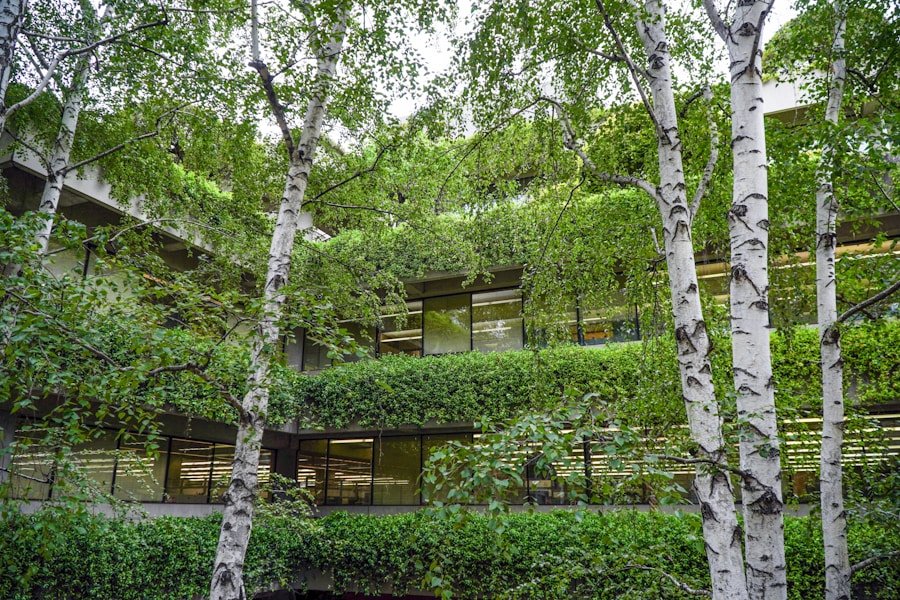
The circular economy is a concept that aims to minimize waste and make the most of resources by reusing, recycling, and repurposing materials. In the context of hotels, this means implementing sustainable practices to reduce the environmental impact of their operations. This can include using renewable energy sources, reducing water consumption, and minimizing waste through recycling and composting. Circular economy principles also encourage hotels to source locally and support local communities, as well as to design their facilities in a way that promotes longevity and durability. By adopting circular economy principles, hotels can not only reduce their environmental footprint but also save costs in the long run.
Hotels can apply circular economy principles in various ways, such as by using eco-friendly materials in their construction and design, implementing energy-efficient technologies, and offering sustainable amenities to guests. Additionally, hotels can partner with local suppliers to source food and products, reducing the carbon footprint associated with transportation. By adopting a circular economy approach, hotels can contribute to a more sustainable and responsible tourism industry.
The Importance of Sustainable Practices in the Hospitality Industry
Sustainable practices are becoming increasingly important in the hospitality industry as travelers are becoming more conscious of their environmental impact. Hotels have a significant environmental footprint due to their energy consumption, water usage, and waste generation. By implementing sustainable practices, hotels can reduce their impact on the environment and contribute to the preservation of natural resources. Sustainable practices also have the potential to attract environmentally conscious travelers who prioritize eco-friendly accommodations.
In addition to the environmental benefits, sustainable practices can also lead to cost savings for hotels. By reducing energy and water consumption, hotels can lower their utility bills and operational expenses. Furthermore, implementing sustainable practices can enhance the reputation of a hotel and attract a growing market of eco-conscious travelers. As a result, many hotels are increasingly investing in sustainable initiatives such as energy-efficient lighting, water-saving fixtures, and waste reduction programs.
Paris: Eco-Friendly Hotels Leading the Circular Economy Movement
Paris is known for its iconic landmarks and rich cultural heritage, but it is also home to a growing number of eco-friendly hotels leading the circular economy movement. These hotels are committed to reducing their environmental impact through various initiatives such as energy-efficient lighting, water-saving fixtures, and waste reduction programs. Many of these hotels also source locally and support local communities by offering organic and sustainable food options. Additionally, some hotels in Paris have implemented innovative technologies such as smart thermostats and motion-sensor lighting to further reduce energy consumption.
One example of an eco-friendly hotel in Paris is the Hotel Gavarni, which has been recognized for its commitment to sustainability. The hotel has implemented various initiatives such as using eco-friendly cleaning products, offering organic breakfast options, and promoting eco-friendly transportation options for guests. Another notable example is the Hotel Eiffel Blomet, which has achieved Green Key certification for its sustainable practices. These eco-friendly hotels in Paris are setting an example for the hospitality industry and demonstrating that luxury and sustainability can go hand in hand.
Dubai: Luxurious Circular Economy Hotels in the Middle East
Dubai is renowned for its luxury and opulence, but it is also home to a growing number of circular economy hotels that are redefining luxury with sustainability in mind. These hotels are incorporating sustainable practices into their operations by using renewable energy sources, implementing water-saving technologies, and reducing waste through recycling and composting. Many of these hotels also prioritize local sourcing and support local communities by offering organic and sustainable food options. Additionally, some hotels in Dubai have implemented innovative technologies such as solar panels and energy-efficient HVAC systems to minimize their environmental impact.
One example of a luxurious circular economy hotel in Dubai is the Jumeirah Al Naseem, which has been recognized for its commitment to sustainability. The hotel has implemented various initiatives such as using eco-friendly materials in its construction, offering sustainable dining options, and promoting eco-friendly transportation for guests. Another notable example is the Atlantis The Palm, which has achieved Green Globe certification for its sustainable practices. These circular economy hotels in Dubai are setting a new standard for luxury hospitality by demonstrating that sustainability can coexist with luxury and comfort.
San José: Sustainable Accommodations in the Heart of Costa Rica
San José, the capital city of Costa Rica, is known for its natural beauty and commitment to sustainability. This commitment is reflected in the city’s hospitality industry, which is home to a variety of sustainable accommodations that embrace circular economy principles. These accommodations prioritize environmental responsibility by using renewable energy sources, minimizing water consumption, and reducing waste through recycling and composting. Many of these accommodations also support local communities by sourcing locally and offering organic and sustainable food options. Additionally, some accommodations in San José have implemented innovative technologies such as rainwater harvesting systems and energy-efficient appliances to further reduce their environmental impact.
One example of a sustainable accommodation in San José is the Finca Rosa Blanca Coffee Plantation & Inn, which has been recognized for its commitment to sustainability. The inn has implemented various initiatives such as using eco-friendly materials in its construction, offering sustainable dining options, and supporting local conservation efforts. Another notable example is the Hotel Grano de Oro, which has achieved CST (Certificate for Sustainable Tourism) certification for its sustainable practices. These sustainable accommodations in San José are leading the way in responsible tourism by demonstrating that luxury and sustainability can coexist harmoniously.
Unique Features and Initiatives of Circular Economy Hotels
Circular economy hotels are distinguished by their unique features and initiatives that set them apart from traditional accommodations. These hotels prioritize sustainability by incorporating eco-friendly materials into their construction and design, implementing energy-efficient technologies, and offering sustainable amenities to guests. Many circular economy hotels also support local communities by sourcing locally and promoting local culture and traditions. Additionally, these hotels often implement innovative technologies such as smart thermostats, motion-sensor lighting, and rainwater harvesting systems to minimize their environmental impact.
One unique feature of circular economy hotels is their commitment to reducing waste through recycling and composting programs. These hotels often have dedicated waste management systems that separate recyclables from non-recyclables and compost organic waste to minimize landfill contributions. Furthermore, circular economy hotels often offer educational programs and activities for guests to learn about sustainability and environmental conservation. These initiatives can include guided nature walks, workshops on sustainable living, and opportunities to participate in local conservation efforts.
Tips for Eco-Conscious Travelers: How to Support Circular Economy Hotels
For eco-conscious travelers looking to support circular economy hotels, there are several tips to keep in mind. Firstly, research accommodations that have been certified for their sustainable practices such as Green Key or CST certification. These certifications indicate that the hotel has met specific criteria for environmental responsibility and sustainability. Additionally, look for accommodations that prioritize local sourcing and support local communities by offering organic and sustainable food options.
Another way to support circular economy hotels is by participating in their sustainability initiatives during your stay. This can include using energy-efficient appliances responsibly, minimizing water consumption, and participating in recycling and composting programs. Additionally, consider supporting local conservation efforts by participating in guided nature walks or volunteering for environmental projects during your stay.
Finally, consider providing feedback to the hotel about your experience and suggestions for improvement. Your input can help the hotel identify areas for growth and further enhance their sustainability initiatives. By supporting circular economy hotels through conscious decision-making and active participation in their initiatives, eco-conscious travelers can contribute to a more sustainable tourism industry.