
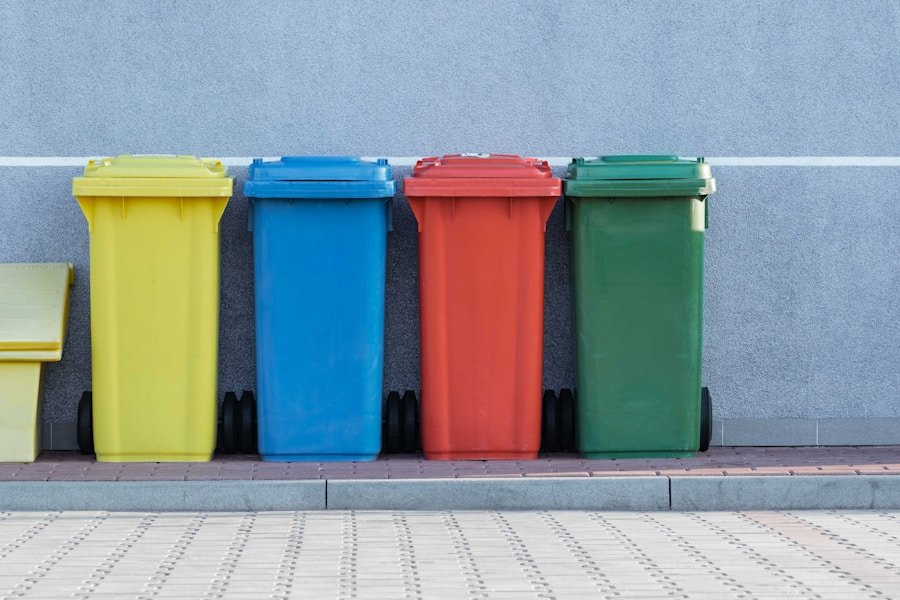
Product take-back systems are a crucial part of the circular economy, which aims to minimize waste and maximize the use of resources. These systems involve the collection and recycling of products at the end of their life cycle, allowing for the recovery of valuable materials and the reduction of environmental impact. Take-back systems can be implemented by manufacturers, retailers, or third-party organizations, and they play a key role in promoting sustainability and reducing the negative effects of consumerism on the environment. By taking responsibility for the disposal and recycling of their products, companies can contribute to a more sustainable future and demonstrate their commitment to environmental stewardship.
Environmental Benefits of Product Take-Back Systems
One of the primary environmental benefits of product take-back systems is the reduction of waste and the conservation of natural resources. By collecting and recycling products at the end of their life cycle, these systems help to minimize the amount of waste that ends up in landfills or incinerators. This not only reduces the environmental impact of waste disposal but also helps to conserve valuable resources such as metals, plastics, and other materials that can be recovered and reused. Additionally, product take-back systems can help to reduce pollution and greenhouse gas emissions by diverting waste from landfills and incinerators, which are major sources of environmental pollution. By promoting the reuse and recycling of products, these systems contribute to a more sustainable and environmentally friendly approach to consumption and waste management.
Another important environmental benefit of product take-back systems is the promotion of a closed-loop system for product manufacturing and disposal. By collecting and recycling products at the end of their life cycle, companies can recover valuable materials and incorporate them back into the production process, reducing the need for virgin resources and minimizing the environmental impact of resource extraction. This closed-loop approach helps to conserve natural resources, reduce energy consumption, and minimize the environmental impact of product manufacturing. It also helps to reduce the amount of waste that ends up in landfills or incinerators, further contributing to a more sustainable and environmentally friendly approach to consumption and waste management.
Economic Benefits of Product Take-Back Systems
In addition to their environmental benefits, product take-back systems can also offer significant economic advantages for companies and communities. By collecting and recycling products at the end of their life cycle, companies can recover valuable materials that can be reused in the production process, reducing the need for virgin resources and lowering production costs. This can result in significant cost savings for companies, as well as a more efficient use of resources and a reduced reliance on raw materials. Additionally, product take-back systems can create new opportunities for job creation and economic development in the recycling and waste management industries, as well as in the production of recycled materials and products.
Another important economic benefit of product take-back systems is the potential for companies to generate new revenue streams from the collection and recycling of their products. By recovering valuable materials from products at the end of their life cycle, companies can sell these materials to manufacturers or other businesses, creating new sources of income and contributing to a more sustainable and circular economy. Additionally, product take-back systems can help companies to meet consumer demand for sustainable and environmentally friendly products, which can lead to increased sales and market share. By demonstrating their commitment to environmental stewardship and sustainability, companies can attract environmentally conscious consumers and differentiate themselves in the marketplace, leading to increased brand loyalty and customer satisfaction.
Social Benefits of Product Take-Back Systems
In addition to their environmental and economic benefits, product take-back systems can also offer important social advantages for communities and consumers. By promoting the collection and recycling of products at the end of their life cycle, these systems help to raise awareness about the importance of sustainable consumption and waste management, encouraging individuals to make more environmentally friendly choices in their purchasing decisions. This can lead to a more informed and environmentally conscious society, as well as a greater sense of responsibility for the environmental impact of consumer choices.
Another important social benefit of product take-back systems is their potential to create new opportunities for community engagement and involvement in sustainability initiatives. By partnering with local organizations, governments, and community groups, companies can establish collection points for products at the end of their life cycle, providing individuals with convenient options for recycling and disposal. This can help to raise awareness about the importance of sustainable consumption and waste management, as well as create new opportunities for community involvement in environmental initiatives. By working together to promote the collection and recycling of products, communities can foster a greater sense of environmental responsibility and stewardship, as well as create new opportunities for collaboration and partnership in sustainability efforts.
Challenges and Solutions in Establishing Product Take-Back Systems
While product take-back systems offer numerous benefits for the environment, economy, and society, they also present several challenges that must be addressed in order to be successful. One of the primary challenges is the need for effective collection infrastructure and logistics to ensure that products are properly collected and recycled at the end of their life cycle. This requires investment in collection points, transportation networks, and recycling facilities, as well as coordination between manufacturers, retailers, and third-party organizations. Additionally, companies must develop effective communication strategies to inform consumers about the availability of take-back options and encourage them to participate in recycling initiatives.
Another important challenge is the need for effective regulations and policies to support the establishment and operation of product take-back systems. Governments can play a key role in promoting sustainable consumption and waste management by implementing regulations that require manufacturers to take responsibility for the disposal and recycling of their products. This can help to create a level playing field for companies and ensure that all products are subject to similar environmental standards. Additionally, governments can provide financial incentives or subsidies to support the development of collection infrastructure and recycling facilities, as well as invest in public education campaigns to raise awareness about the importance of sustainable consumption and waste management.
Successful Examples of Product Take-Back Systems
Despite these challenges, there are numerous successful examples of product take-back systems around the world that demonstrate the potential for these initiatives to promote sustainability and reduce environmental impact. One notable example is the European Union’s Waste Electrical and Electronic Equipment (WEEE) directive, which requires manufacturers to take responsibility for the disposal and recycling of electronic products at the end of their life cycle. This directive has led to significant increases in the collection and recycling of electronic waste, as well as improvements in resource recovery and environmental protection. Additionally, companies such as Apple have implemented successful take-back programs for their products, allowing consumers to return old devices for recycling or refurbishment.
Another successful example is the implementation of extended producer responsibility (EPR) programs in various countries around the world. These programs require manufacturers to take responsibility for the disposal and recycling of their products, creating incentives for companies to design products that are more easily recyclable and environmentally friendly. In countries such as Japan, South Korea, and Canada, EPR programs have led to significant increases in product collection rates and improvements in resource recovery, as well as reductions in environmental pollution and waste generation. These successful examples demonstrate the potential for product take-back systems to promote sustainability and reduce environmental impact on a global scale.
The Future of Product Take-Back Systems
In conclusion, product take-back systems play a crucial role in promoting sustainability and reducing environmental impact by collecting and recycling products at the end of their life cycle. These systems offer numerous environmental, economic, and social benefits by minimizing waste, conserving resources, creating new revenue streams, raising awareness about sustainable consumption, creating new opportunities for community engagement, addressing challenges related to collection infrastructure and logistics, implementing effective regulations and policies, promoting successful examples such as EPR programs in various countries around the world.
The future of product take-back systems holds great potential for promoting sustainability on a global scale by encouraging companies to take responsibility for the disposal and recycling of their products. By working together with governments, communities, and consumers, companies can establish effective collection infrastructure, implement regulations that support sustainable consumption and waste management, create new opportunities for community engagement in sustainability initiatives, promote successful examples such as EPR programs in various countries around the world. Through these efforts, product take-back systems can contribute to a more sustainable future by minimizing waste generation, conserving resources, reducing environmental pollution, creating new revenue streams from recycled materials, raising awareness about sustainable consumption among consumers.
In conclusion, product take-back systems play a crucial role in promoting sustainability by collecting and recycling products at the end of their life cycle. These systems offer numerous environmental benefits by minimizing waste generation, conserving resources through material recovery from recycled products. They also offer economic benefits by creating new revenue streams from recycled materials while reducing production costs through material recovery from recycled products. Additionally, they offer social benefits by raising awareness about sustainable consumption among consumers while creating new opportunities for community engagement in sustainability initiatives through effective collection infrastructure implementation regulations that support sustainable consumption.
The future of product take-back systems holds great potential for promoting sustainability on a global scale by encouraging companies to take responsibility for the disposal and recycling of their products through effective collection infrastructure implementation regulations that support sustainable consumption while creating new opportunities for community engagement in sustainability initiatives through successful examples such as EPR programs in various countries around the world. Through these efforts product take-back systems can contribute to a more sustainable future by minimizing waste generation conserving resources reducing environmental pollution creating new revenue streams from recycled materials raising awareness about sustainable consumption among consumers while creating new opportunities for community engagement in sustainability initiatives through effective collection infrastructure implementation regulations that support sustainable consumption while promoting successful examples such as EPR programs in various countries around the world.