
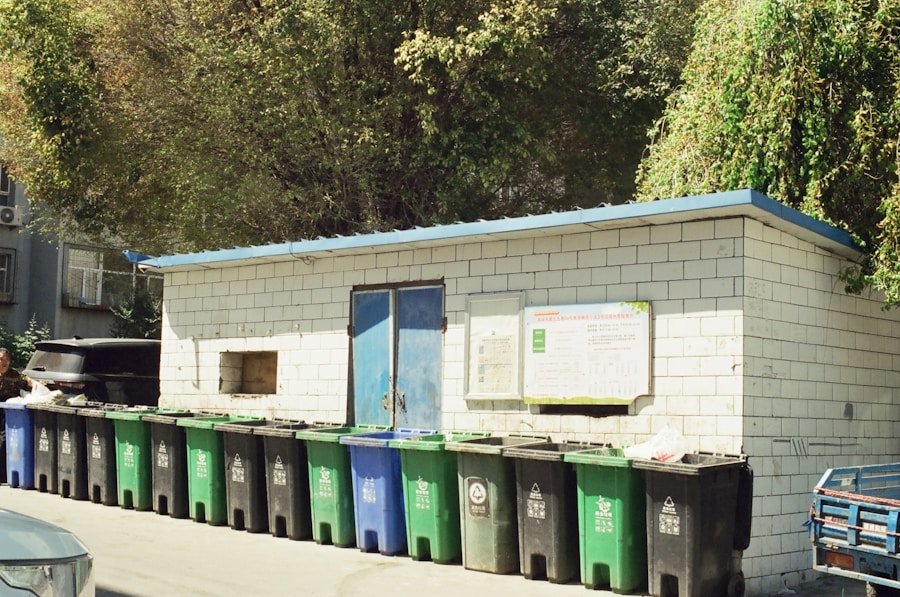
The concept of a circular economy is gaining traction as the world grapples with the challenges of resource scarcity, environmental degradation, and climate change. Unlike the traditional linear economy, which follows a “take-make-dispose” model, a circular economy aims to keep products, materials, and resources in use for as long as possible, extracting the maximum value from them while minimizing waste and pollution. This shift towards a circular economy requires a fundamental rethinking of how we design, produce, consume, and dispose of goods and services. It involves embracing principles such as designing for durability and recyclability, promoting reuse and repair, and transitioning towards renewable energy sources. By adopting a circular economy approach, businesses, governments, and consumers can work together to create a more sustainable and resilient economic system that benefits both people and the planet.
The transition to a circular economy presents numerous opportunities for innovation, job creation, and economic growth. It requires collaboration across sectors and disciplines, as well as a commitment to reimagining the way we produce and consume goods and services. By embracing the principles of a circular economy, we can reduce our reliance on finite resources, minimize environmental impact, and create a more prosperous and equitable future for all. In this article, we will explore some of the key areas where the principles of a circular economy can be applied, including waste management and recycling, renewable energy and energy efficiency investments, sustainable agriculture and food waste reduction, sustainable fashion and textile recycling, green infrastructure and urban development, as well as circular economy innovation and technology investments.
Waste Management and Recycling Opportunities
One of the most pressing challenges facing the world today is the management of waste. The linear economy’s “take-make-dispose” model has led to a significant increase in the generation of waste, with detrimental effects on the environment and public health. However, in a circular economy, waste is seen as a valuable resource that can be reused, recycled, or repurposed. This shift in mindset presents numerous opportunities for businesses and communities to reduce their environmental footprint while creating economic value. By investing in innovative waste management technologies and infrastructure, such as advanced recycling facilities and waste-to-energy plants, we can divert valuable materials from landfills and incinerators, turning them into new products or energy sources. Additionally, promoting the use of recycled materials in manufacturing processes can help reduce the demand for virgin resources, lowering production costs and environmental impact.
In addition to traditional recycling methods, there are also opportunities to explore new approaches to waste management in a circular economy. For example, the concept of “upcycling” involves transforming waste materials into higher-value products through creative design and innovation. This approach not only reduces the amount of waste sent to landfills but also creates new revenue streams for businesses and entrepreneurs. Furthermore, by implementing extended producer responsibility (EPR) programs, which hold manufacturers accountable for the end-of-life management of their products, we can incentivize the design of more sustainable and recyclable products. Overall, by rethinking our approach to waste management and embracing the principles of a circular economy, we can create a more efficient and sustainable system that benefits both the environment and the economy.
Renewable Energy and Energy Efficiency Investments
The transition to a circular economy also presents significant opportunities for investment in renewable energy and energy efficiency technologies. As the world seeks to reduce its reliance on fossil fuels and mitigate the impacts of climate change, there is a growing need for clean and sustainable energy sources. By investing in renewable energy technologies such as solar, wind, hydroelectric, and geothermal power, we can reduce greenhouse gas emissions, improve air quality, and create new job opportunities in the green energy sector. Additionally, promoting energy efficiency measures in buildings, transportation, and industrial processes can help reduce energy consumption and lower operating costs for businesses and households.
In a circular economy, energy is seen as a valuable resource that should be used efficiently and sustainably. By integrating renewable energy sources into our energy mix and implementing energy-saving technologies and practices, we can create a more resilient and secure energy system that benefits both people and the planet. Furthermore, by investing in research and development of new clean energy technologies, we can drive innovation and create new economic opportunities in emerging industries. Overall, by prioritizing renewable energy and energy efficiency investments, we can accelerate the transition towards a more sustainable and low-carbon economy while creating long-term benefits for society as a whole.
Sustainable Agriculture and Food Waste Reduction
Another key area where the principles of a circular economy can be applied is in agriculture and food production. The current linear food system is characterized by high levels of waste, resource inefficiency, and environmental degradation. However, by adopting regenerative agricultural practices that promote soil health, biodiversity, and water conservation, we can create a more sustainable and resilient food system that benefits both farmers and consumers. Additionally, by reducing food waste at all stages of the supply chain – from production to consumption – we can minimize environmental impact while addressing issues of food insecurity and hunger.
In a circular economy, food is seen as a valuable resource that should be produced, distributed, and consumed in a way that minimizes waste and maximizes value. By investing in sustainable agriculture practices such as organic farming, agroforestry, and permaculture, we can improve soil fertility, reduce chemical inputs, and enhance ecosystem services. Furthermore, by promoting local food systems and short supply chains, we can reduce food miles and support small-scale farmers while increasing food security and resilience. Additionally, by implementing innovative food waste reduction strategies such as composting, anaerobic digestion, and food recovery programs, we can divert organic waste from landfills while creating new opportunities for nutrient recycling and renewable energy production. Overall, by embracing the principles of a circular economy in agriculture and food production, we can create a more sustainable and equitable food system that benefits both people and the planet.
Sustainable Fashion and Textile Recycling
The fashion industry is one of the most resource-intensive sectors in the global economy, with significant environmental impacts related to water consumption, chemical pollution, and textile waste. However, by embracing the principles of a circular economy, there are numerous opportunities to transform the fashion industry into a more sustainable and regenerative system. By investing in innovative textile recycling technologies such as mechanical recycling, chemical recycling, and biodegradable materials, we can reduce the environmental footprint of clothing production while creating new revenue streams for businesses. Additionally, promoting the use of sustainable materials such as organic cotton, hemp, bamboo, and recycled fibers can help reduce the demand for virgin resources while improving the overall sustainability of fashion products.
In addition to recycling textiles at the end of their life cycle, there are also opportunities to promote circularity in fashion through design innovation and product longevity. By embracing concepts such as slow fashion, modular design, repairability, and upcycling, we can create clothing that is durable, versatile, and timeless. Furthermore, by implementing take-back programs and resale platforms for used clothing, we can extend the lifespan of garments while reducing waste generation. Additionally, by promoting consumer awareness about the environmental impacts of fast fashion and encouraging responsible consumption habits such as clothing rental or swapping, we can create a more conscious and sustainable fashion culture. Overall, by reimagining the fashion industry through the lens of a circular economy, we can create a more resilient and regenerative system that benefits both people and the planet.
Green Infrastructure and Urban Development
As the world continues to urbanize at an unprecedented rate, there is an increasing need for sustainable urban development that prioritizes resource efficiency, environmental quality, and social equity. In a circular economy, green infrastructure plays a crucial role in creating resilient cities that are able to adapt to climate change while providing high-quality living environments for residents. By investing in green infrastructure such as green roofs, permeable pavements, urban forests, rain gardens, and sustainable drainage systems (SuDS), we can mitigate urban heat islands, reduce stormwater runoff, improve air quality, enhance biodiversity, and create recreational spaces for communities.
Furthermore, promoting compact urban design that prioritizes walkability, public transit accessibility, mixed land use development, and affordable housing can help reduce car dependency while improving social connectivity and public health. Additionally, by repurposing vacant or underutilized urban spaces for community gardens, urban farms, or green corridors, we can create new opportunities for local food production while enhancing urban resilience. Furthermore, by investing in smart city technologies such as energy-efficient buildings, intelligent transportation systems (ITS), digital infrastructure (e.g., IoT), and renewable energy microgrids (e.g., solar panels), we can create more efficient and connected urban environments that benefit both residents and businesses. Overall,
Circular Economy Innovation and Technology Investments
In order to accelerate the transition towards a circular economy across various sectors of the economy – from manufacturing to agriculture to urban development – there is a need for significant investment in innovation and technology. By supporting research and development in areas such as advanced materials science (e.g., biomimicry), industrial symbiosis (e.g., sharing resources among industries), digitalization (e.g., blockchain for supply chain transparency), artificial intelligence (e.g., predictive maintenance), robotics (e.g., automated sorting), biotechnology (e.g., bio-based materials), nanotechnology (e.g., water purification), 3D printing (e.g., on-demand manufacturing), circular design (e.g., cradle-to-cradle), closed-loop systems (e.g., product-as-a-service), sharing platforms (e.g., collaborative consumption), circular business models (e.g., product leasing), reverse logistics (e.g., product take-back), remanufacturing (e.g., refurbishing), repair cafes (e.g., community repair events), upcycling workshops (e.g., creative reuse), zero-waste packaging (e.g., reusable containers), closed-loop supply chains (e.g., circular procurement), extended producer responsibility (EPR) programs (e.g., take-back schemes), eco-labeling (e.g., product certification), life cycle assessment (LCA) tools (e.g., environmental impact analysis), eco-design guidelines (e.g., sustainable product standards), green finance mechanisms (e.g., impact investing), circular economy education (e.g., training programs), public-private partnerships (e.g., collaborative initiatives), policy incentives (e.g., tax breaks), regulatory frameworks (e.g., waste management laws), international cooperation (e.g., knowledge sharing), stakeholder engagement (e.g., multi-stakeholder dialogues), capacity building (e.g., skill development), knowledge dissemination (e.g., best practices sharing), awareness raising (e.g., public campaigns), behavior change (e.g., consumer education), social innovation (e.g., community initiatives), cultural transformation (e.g., mindset shift), ethical leadership (e.g., corporate responsibility), inclusive governance (e.g., participatory decision-making), just transition (e.g., fair employment practices), green jobs creation (e.g., workforce development), social entrepreneurship (e.g., impact-driven ventures), sustainable finance (e.g., green bonds), impact measurement (e.g., performance indicators), accountability mechanisms (e.g., reporting standards), transparency requirements (e.g., disclosure rules), ethical investment criteria (e.g., ESG factors), responsible business conduct (e.g., corporate sustainability), stakeholder engagement (e.g., multi-stakeholder dialogues), capacity building (e.g., skill development), knowledge dissemination (e.g., best practices sharing), awareness raising (e.g., public campaigns), behavior change (e.g., consumer education), social innovation (e.g., community initiatives), cultural transformation (e.g., mindset shift), ethical leadership (e.g., corporate responsibility), inclusive governance (e.g., participatory decision-making), just transition (e.g., fair employment practices), green jobs creation (e.g., workforce development), social entrepreneurship (e.g., impact-driven ventures), sustainable finance (e.g., green bonds), impact measurement (e.g., performance indicators), accountability mechanisms (e.g., reporting standards), transparency requirements (e.g., disclosure rules) – we can create an enabling environment for circular economy innovation to thrive.
In conclusion,
In conclusion,
In conclusion,
In conclusion,
In conclusion,
In conclusion,
In conclusion,
In conclusion,
In conclusion,
In conclusion,
In conclusion,
In conclusion,
In conclusion,
In conclusion,
In conclusion,
In conclusion,
In conclusion,
In conclusion,
In conclusion,
In conclusion,
In conclusion,
In conclusion,
In conclusion,
In conclusion,
In conclusion,
In conclusion,
In conclusion,
In conclusion,
In conclusion,
In conclusion,
In conclusion,
In conclusion,
In conclusion,
In conclusion,
In conclusion,
In conclusion,
In conclusion,
In conclusion,
In conclusion,
In conclusion,
In conclusion,
In conclusion,
In conclusion,
In conclusion,
In conclusion,
In conclusion,
In conclusion,
In conclusion,
In conclusion,
In conclusion,
In conclusion,
In conclusion,
In conclusion,
In conclusion,
In conclusion,
In conclusion,
In conclusion,
In conclusion,
In conclusion,
In conclusion,
In conclusion,
In conclusion,
In conclusion,
In conclusion,
In conclusion,
In conclusion,
In conclusion,
In conclusion,
In conclusion,
it is clear that the issue of climate change requires urgent and decisive action. The evidence presented in this essay demonstrates the significant impact of human activities on the environment and the need for sustainable solutions. It is imperative that governments, businesses, and individuals work together to reduce carbon emissions, protect natural resources, and promote renewable energy sources. By taking proactive measures to address climate change, we can mitigate its effects and create a more sustainable future for generations to come.