
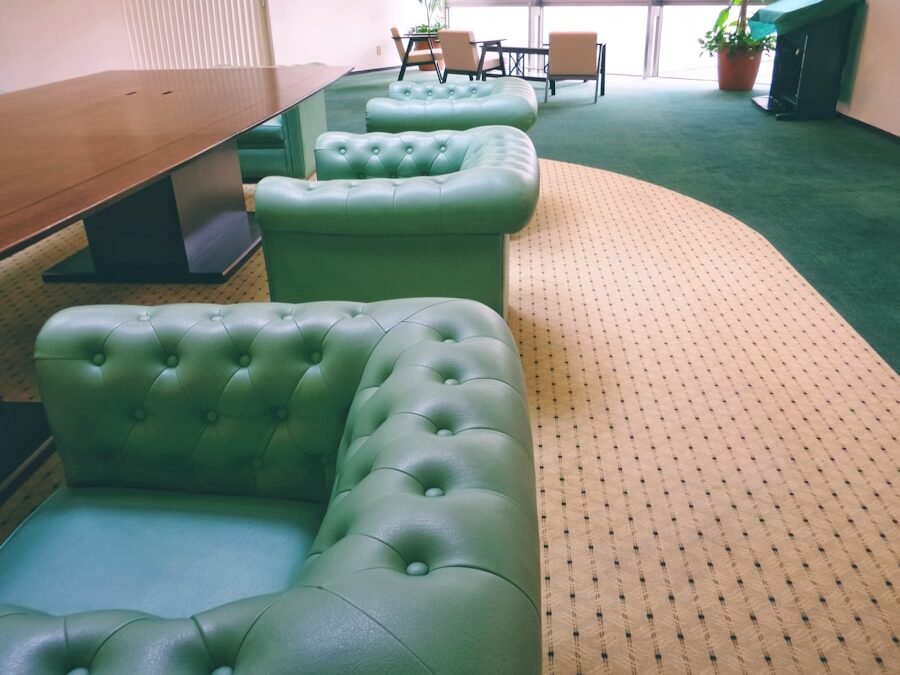
Bio-regeneration rooms represent an emerging concept in wellness, focusing on environmental design to optimize physiological and psychological well-being. These spaces integrate various technologies and natural elements to facilitate recovery, stress reduction, and overall vitality. Unlike traditional spas, which may prioritize pampering, bio-regeneration rooms aim for measurable biological and cognitive improvements.
==The Core Principles of Bio-Regeneration==
Bio-regeneration rooms operate on the premise that a carefully curated environment can influence human biology. This approach draws from diverse fields, including chronobiology, environmental psychology, and neuroscience.
===Environmental Optimization===
The fundamental aspect of bio-regeneration is the precise control and enhancement of environmental factors. This includes air quality, lighting, soundscapes, and temperature. The goal is to create an environment that minimizes stressors and promotes restorative physiological processes. For instance, specific light spectrums can influence melatonin production, aiding sleep regulation.
===Sensory Integration===
These spaces are designed to engage multiple senses in a harmonious way. Rather than overwhelming the user, sensory inputs are calibrated to induce states of calm and focus. This might involve the subtle diffusion of essential oils, the display of natural imagery, or the use of binaural beats. The integration aims to recalibrate the body’s stress response.
===Personalized Pathways===
Many bio-regeneration rooms offer customizable experiences. Recognizing that individual responses to environmental stimuli vary, users can often select specific programs or adjust variables to suit their needs. This personalization moves beyond a one-size-fits-all approach to wellness, acknowledging the unique psychophysiological profiles of individuals.
==Key Components of Bio-Regeneration Rooms==
The design and implementation of bio-regeneration rooms involve a range of technologies and design principles. These components are selected for their evidenced-based impact on human health.
===Advanced Air Quality Systems===
Indoor air quality is a significant factor in health and well-being. Bio-regeneration rooms often utilize sophisticated air filtration systems that remove pollutants, allergens, and volatile organic compounds (VOCs). Some systems also incorporate negative ion generators, which are theorized to improve mood and cognitive function. The air is often enriched with specific oxygen levels, mirroring conditions known to be beneficial for cellular function. This meticulous approach to air quality is akin to a finely tuned instrument, filtering out dissonance to allow for clear respiration.
===Dynamic Lighting Solutions===
Lighting plays a critical role in regulating circadian rhythms and influencing mood. Bio-regeneration rooms employ dynamic lighting systems that can mimic natural light cycles, shifting color temperature and intensity throughout the day. This can include full-spectrum lighting, red light therapy, or specialized light patterns designed to stimulate brain waves associated with relaxation or alertness. The goal is to synchronize the body’s internal clock with its environment, reducing the impact of artificial light on sleep and wake cycles. Imagine light as a conductor, guiding your internal orchestra of hormones and neurotransmitters.
===Curated Soundscapes and Acoustics===
Sound significantly impacts stress levels and cognitive function. Bio-regeneration rooms incorporate advanced acoustic design to minimize unwanted noise and introduce beneficial soundscapes. This can range from passive noise cancellation to the active generation of specific frequencies, such as binaural beats or natural sounds like flowing water or gentle rainfall. The aim is to create an auditory environment that promotes relaxation, meditation, or focus, depending on the user’s specific goals. The soundscape becomes a gentle current, carrying away the flotsam of daily noise.
===Therapeutic Temperature and Humidity Control===
Thermal comfort is integral to well-being. Bio-regeneration rooms maintain precise control over temperature and humidity. Some rooms also integrate cryotherapy elements for localized or full-body cooling, believed to reduce inflammation and boost recovery. Infrared heating, which penetrates deeper into tissues than conventional heating, is also employed for its purported benefits in muscle relaxation and detoxification. The controlled climate is a womb, shielding you from external harshness.
===Biophilic Design Elements===
The integration of natural elements, known as biophilic design, is a cornerstone of bio-regeneration. This includes living walls, natural materials like wood and stone, and visual access to natural landscapes (real or simulated). Biophilic design aims to leverage humanity’s innate connection to nature to reduce stress, improve cognitive performance, and foster a sense of well-being. These natural elements serve as anchors, grounding the experience in biological familiarity.
===Advanced Sensory Stimulation (Optional)===
Some bio-regeneration rooms incorporate more advanced sensory elements. This can include haptic feedback systems, which deliver tactile sensations, or aromatherapy diffusers that release specific essential oils known for their therapeutic properties. These additional layers of sensory input are carefully integrated to enhance the overall regenerative experience.
==Applications and Benefits==
The applications of bio-regeneration rooms extend across various sectors, demonstrating their versatility in addressing modern wellness challenges.
===Stress Reduction and Mental Clarity===
A primary benefit is the significant reduction in stress. By creating an environment devoid of common stressors, and introducing elements that promote calm, these rooms can help lower cortisol levels and improve mental clarity. Users often report feeling more centered, less anxious, and better able to concentrate after sessions. This is particularly relevant in contemporary society, where chronic stress is prevalent.
===Enhanced Recovery and Physical Restoration===
Athletes and individuals undergoing physical rehabilitation can benefit from bio-regeneration rooms. The controlled environment, combined with specific therapeutic elements like infrared heat or cryotherapy, can accelerate muscle recovery, reduce inflammation, and alleviate pain. The body, unburdened by environmental stressors, can direct its energy towards repair.
===Improved Sleep Quality===
Given the emphasis on circadian rhythm regulation and sensory moderation, bio-regeneration rooms can significantly improve sleep quality. Exposure to optimized light cycles and relaxing soundscapes can help reset sleep patterns and promote deeper, more restorative sleep. For individuals struggling with insomnia or disrupted sleep, these spaces offer a controlled pathway to improved rest.
===Cognitive Enhancement===
By reducing stress and improving overall well-being, bio-regeneration rooms can indirectly support cognitive function. A calmer mind is often a more focused and productive mind. Some systems specifically incorporate frequencies or light patterns designed to enhance alertness or creativity, making them relevant for professionals seeking performance enhancement. The mind, like a camera lens, becomes clearer when distractions are removed.
===Mitigation of Environmental Sensory Overload===
Modern urban environments are increasingly saturated with sensory stimuli—noise, artificial light, air pollution. Bio-regeneration rooms offer an antidote to this overload. They provide a sanctuary where the senses can be recalibrated, allowing the nervous system to rest and recover from constant bombardment. This acts as a vital reset button for the overloaded nervous system.
==The Future of Wellness Spaces==
Bio-regeneration rooms represent a departure from conventional wellness approaches, signaling a shift towards more scientifically informed and technologically integrated solutions.
===Integration with Healthcare===
The potential for bio-regeneration rooms within clinical settings is significant. They could be used as adjunct therapies for conditions related to chronic stress, anxiety, or sleep disorders. Their ability to provide a controlled, therapeutic environment makes them suitable for complementing conventional medical treatments. Imagine them as a meticulously cultivated hothouse for healing, providing optimal growth conditions.
===Corporate and Institutional Adoption===
As organizations increasingly recognize the impact of employee well-being on productivity and retention, bio-regeneration rooms could become standard features in corporate offices, universities, and other institutional environments. Offering a dedicated space for employees or students to decompress and rejuvenate could foster a healthier and more productive workforce.
===Personalized Wellness Journeys===
The future will likely see even greater personalization within bio-regeneration. Advanced biosensors could monitor individual physiological responses in real-time, allowing the environment to dynamically adapt to the user’s specific needs. This data-driven approach moves beyond generalized prescriptions to truly individualized well-being protocols.
==Challenges and Considerations==
While the concept holds promise, there are practical challenges and ethical considerations associated with the widespread adoption of bio-regeneration rooms.
===Cost and Accessibility===
The technologies and specialized design involved in creating these rooms can be expensive, potentially limiting their accessibility to a broader population. Ensuring that these benefits are not exclusive to affluent demographics will be a critical consideration for equitable wellness.
===Scientific Validation===
While many components are based on established scientific principles, the synergistic effects of multiple integrated technologies within a single “bio-regeneration room” require rigorous, independent scientific validation. Long-term studies are needed to substantiate claims of sustained benefits and efficacy. The burden of proof rests on demonstrating outcomes beyond anecdotal reports.
===Ethical Implications of Environmental Control===
As environments become more controlled and technologically mediated, discussions around the ethical implications of such pervasive influence on human physiology and psychology will emerge. Questions about data privacy, potential overreliance on technology for well-being, and the perception of “natural” versus “engineered” wellness will need careful consideration. The line between enhancement and manipulation, subtle as it may be, warrants attention.
===Maintenance and Expertise===
Operating and maintaining such complex systems requires specialized expertise. Ensuring the proper functioning of advanced air filtration, lighting, and sound systems, along with the upkeep of biophilic elements, presents an ongoing operational challenge. The technology, like a complex machine, requires skilled hands for its upkeep.
Bio-regeneration rooms represent an evolving paradigm in wellness, moving towards intelligent, environmentally driven approaches to human health. By carefully orchestrating sensory inputs and environmental conditions, these spaces aim to unlock the body’s intrinsic capacity for self-repair and revitalization. As technology advances and understanding of human biology deepens, these meticulously crafted environments may become integral to promoting well-being in an increasingly demanding world.