
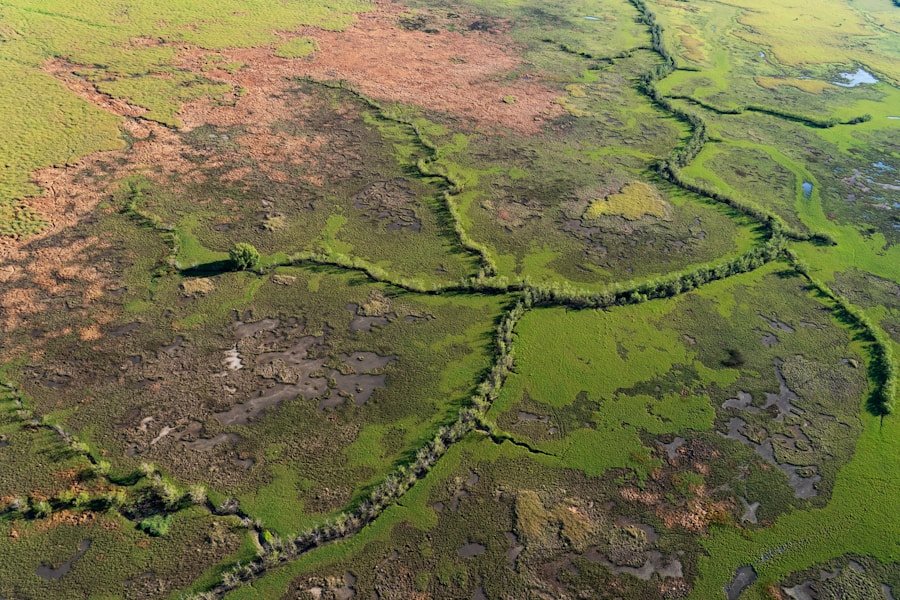
Rivers are a vital component of the Earth’s natural systems, providing essential resources and habitats for countless species. They also play a crucial role in the global supply chain, serving as a means of transportation for goods and materials. The interconnectedness of river systems and supply chains is a complex and dynamic relationship that requires careful management and conservation efforts to ensure sustainability for both natural ecosystems and human economic activities.
Supply chains, on the other hand, are the networks of organizations, people, activities, information, and resources involved in moving a product or service from supplier to customer. These chains are essential for the functioning of modern economies, but they also have significant impacts on the environment, including river systems. Understanding the circular flow of rivers and supply chains is essential for developing sustainable management practices that minimize negative impacts on natural ecosystems while still meeting the needs of society.
The Circular Flow of Rivers and Supply Chains
The circular flow of rivers and supply chains is a complex and interconnected system that involves the movement of goods, materials, and resources from source to destination and back again. Rivers serve as natural transportation corridors, allowing for the movement of goods and materials over long distances. This makes them an integral part of global supply chains, particularly for industries such as agriculture, mining, and manufacturing.
At the same time, supply chains have significant impacts on river systems, including pollution from industrial activities, habitat destruction from infrastructure development, and over-extraction of water resources. These impacts can have far-reaching consequences for both natural ecosystems and human communities that rely on rivers for their livelihoods. Understanding the circular flow of rivers and supply chains is essential for developing sustainable management practices that minimize negative impacts on natural ecosystems while still meeting the needs of society.
Understanding the Interconnectedness of River Ecosystems and Supply Chains
The interconnectedness of river ecosystems and supply chains is a critical aspect of sustainable management practices. River ecosystems are complex and dynamic systems that provide essential services such as water purification, flood control, and habitat for a wide variety of plant and animal species. At the same time, supply chains rely on rivers for transportation, water resources, and other essential services.
Understanding the interconnectedness of river ecosystems and supply chains is essential for developing management practices that minimize negative impacts on natural ecosystems while still meeting the needs of society. This requires a holistic approach that takes into account the complex interactions between human activities and natural systems. By understanding these connections, it is possible to develop innovative solutions that promote sustainable management practices for both river ecosystems and supply chains.
Impacts of Human Activity on River Systems and Supply Chains
Human activities have significant impacts on river systems and supply chains, including pollution from industrial activities, habitat destruction from infrastructure development, and over-extraction of water resources. These impacts can have far-reaching consequences for both natural ecosystems and human communities that rely on rivers for their livelihoods.
Pollution from industrial activities can contaminate river water with toxic chemicals, heavy metals, and other harmful substances, posing serious risks to aquatic life and human health. Habitat destruction from infrastructure development can disrupt the natural flow of rivers, leading to erosion, sedimentation, and loss of biodiversity. Over-extraction of water resources can deplete river flows, leading to water shortages for both natural ecosystems and human communities.
Innovations in Sustainable River and Supply Chain Management
In recent years, there have been significant innovations in sustainable river and supply chain management that aim to minimize negative impacts on natural ecosystems while still meeting the needs of society. These innovations include the development of eco-friendly transportation technologies, such as electric boats and barges, that reduce pollution from traditional diesel engines. There has also been a growing emphasis on sustainable sourcing practices within supply chains, including efforts to reduce water usage, minimize waste, and protect natural habitats.
In addition, there has been increasing interest in nature-based solutions for river management, such as restoring wetlands, reforesting riverbanks, and implementing green infrastructure projects that mimic natural processes. These innovations aim to promote sustainable management practices that support both healthy river ecosystems and resilient supply chains.
Case Studies: Successful Integration of River Conservation and Sustainable Supply Chains
There are several successful case studies that demonstrate the integration of river conservation and sustainable supply chains. One example is the partnership between a major shipping company and a conservation organization to develop eco-friendly shipping practices that minimize negative impacts on river ecosystems. This partnership has led to the development of electric-powered ships, improved waste management practices, and increased investment in habitat restoration projects along major river corridors.
Another example is the collaboration between a multinational corporation and local communities to develop sustainable sourcing practices for agricultural products that rely on healthy river ecosystems. This collaboration has led to improved water management practices, reduced pesticide use, and increased investment in conservation projects that protect critical river habitats.
The Future of Circular Flow Management for Rivers and Supply Chains
The future of circular flow management for rivers and supply chains will require continued innovation, collaboration, and investment in sustainable practices. This includes developing eco-friendly transportation technologies, implementing nature-based solutions for river management, and promoting sustainable sourcing practices within supply chains.
By understanding the interconnectedness of river ecosystems and supply chains, it is possible to develop innovative solutions that promote sustainable management practices for both natural ecosystems and human economic activities. This will require a holistic approach that takes into account the complex interactions between human activities and natural systems.
In conclusion, the circular flow of rivers and supply chains is a complex and dynamic relationship that requires careful management and conservation efforts to ensure sustainability for both natural ecosystems and human economic activities. By understanding this interconnectedness and developing innovative solutions, it is possible to promote sustainable management practices that support healthy river ecosystems and resilient supply chains for future generations.