
The wellness industry, a broad and evolving sector encompassing physical and mental health, nutrition, and lifestyle choices, has undergone significant transformation in recent decades. This shift is increasingly driven by technological advancements, particularly the integration of data-driven systems. These systems are reshaping how individuals interact with wellness offerings and how providers deliver services.
The Evolution of Wellness and Technology
Historically, wellness practices often relied on anecdotal evidence, personal experience, and traditional methodologies. The advent of modern medicine introduced a more scientific approach, emphasizing evidence-based practices. However, this often remained siloed, with limited data exchange between different wellness domains. The digital revolution, beginning in the late 20th century and accelerating into the 21st, provided the infrastructure for a more interconnected approach.
Early Digital Adoption in Wellness
The initial foray of technology into wellness was characterized by standalone applications. These included basic fitness trackers that counted steps or estimated calories burned, and rudimentary diet logging applications. These tools provided individual data points but lacked comprehensive integration. Users might track their exercise on one device and their food intake on another, with no easy way to combine this information for a holistic view. The data analysis was often simplistic, offering summaries rather than actionable insights.
The Rise of Wearable Technology
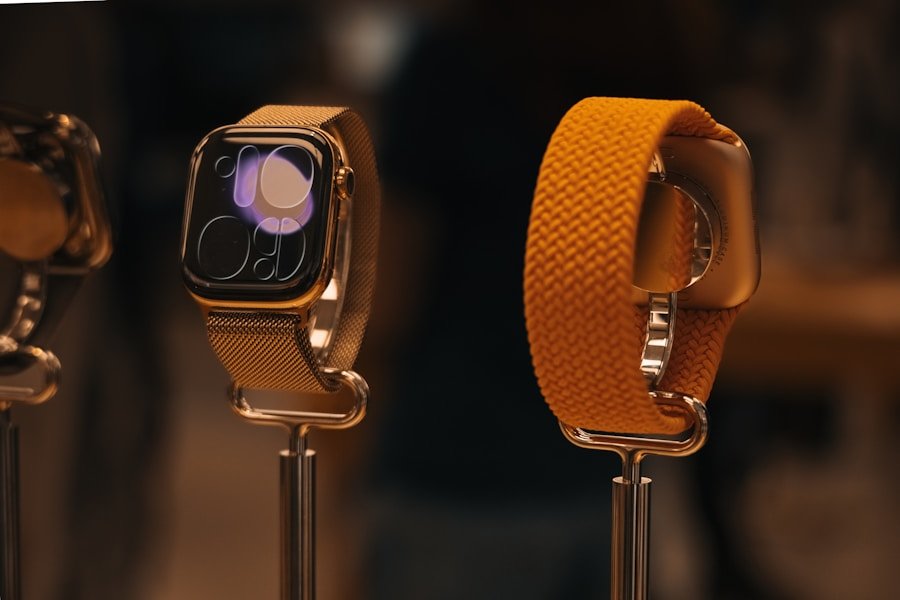
The proliferation of wearable technology marked a significant turning point. Devices like smartwatches and advanced fitness trackers began to collect a wider array of biometric data, including heart rate, sleep patterns, skin temperature, and even blood oxygen saturation. This continuous stream of personal health data presented both opportunities and challenges. While it offered unprecedented visibility into an individual’s physiological state, the sheer volume of data often overwhelmed users and providers alike. The primary challenge was to transform this raw data into meaningful and actionable information.
Cloud Computing and Data Storage
The development of cloud computing infrastructure provided the necessary backbone for storing and processing large volumes of personal health data. This enabled secure and scalable solutions for managing information collected from various devices and applications. Cloud platforms also facilitated the development of more complex analytical tools, moving beyond simple aggregation to sophisticated pattern recognition and predictive modeling. This shift was crucial for moving beyond individual data points to identifying trends and correlations.
Data Integration as a Foundation for Personalized Wellness
The core concept driving the transformation of the wellness industry is data integration. This refers to the process of combining data from disparate sources into a unified view. In the context of wellness, this means bringing together information from wearable devices, electronic health records (EHRs), genetic testing results, lifestyle surveys, and even environmental data.
The Challenge of Data Silos
One of the persistent challenges in healthcare and wellness has been the existence of data silos. Different providers, devices, and applications often operate independently, storing data in proprietary formats or systems that do not easily communicate with one another. This fragmentation hinders a comprehensive understanding of an individual’s health and wellness journey. Imagine trying to assemble a puzzle where half the pieces are from one box and the other half from a completely different one, with no guarantee they even belong to the same picture. Data integration seeks to solve this by providing a common framework for data exchange.
Unified Data Platforms
Technology integration systems address data silos by employing unified data platforms. These platforms act as central hubs, ingesting data from various sources, normalizing it into a consistent format, and storing it in a structured database. This consistent data format is essential for effective analysis and interoperability. Without it, comparing data from a heart rate monitor made by company A with a sleep tracker made by company B would be difficult, akin to trying to compare apples and oranges. These platforms establish a common language for diverse data inputs.
APIs and Interoperability
Application Programming Interfaces (APIs) play a critical role in facilitating data integration. APIs are sets of rules and protocols that allow different software applications to communicate with each other. In wellness, APIs enable devices and applications from various manufacturers to automatically share data with a central platform. This automation reduces manual data entry and improves the accuracy and timeliness of information. Think of APIs as universal translators, allowing different technological systems to speak to each other effortlessly, regardless of their native programming language. This capability is fundamental to building cohesive wellness ecosystems.
Artificial Intelligence and Machine Learning in Wellness
The true power of integrated data is unlocked through the application of artificial intelligence (AI) and machine learning (ML). These technologies move beyond simple data aggregation to uncover insights, identify patterns, and provide personalized recommendations.
Predictive Analytics
One of the most impactful applications of AI in wellness is predictive analytics. By analyzing historical data, machine learning algorithms can identify risk factors for various health conditions or predict the likelihood of an individual achieving their wellness goals. For instance, an algorithm might analyze an individual’s diet, exercise patterns, sleep data, and genetic predispositions to predict their risk of developing type 2 diabetes. This allows for proactive interventions rather than reactive treatment, shifting the focus from illness management to well-being promotion. It’s like having a highly experienced scout who can anticipate potential challenges on your journey and provide advice on how to navigate them before they become obstacles.
Personalized Recommendations
Generic wellness advice often falls short because individuals have unique needs and preferences. AI and ML enable hyper-personalization. By analyzing an individual’s specific data, these systems can generate tailored recommendations for diet, exercise routines, stress management techniques, and even supplement suggestions. This moves beyond a one-size-fits-all approach to a deeply individualized experience. Consider a personal trainer who knows not only your fitness level but also your genetic predispositions, dietary habits, work schedule, and even your emotional state, making adjustments to your plan in real-time. This level of customization dramatically increases the likelihood of adherence and positive outcomes.
Behavioral Nudges and Gamification
AI-driven systems can also employ behavioral economics principles to encourage healthy habits. This includes sending personalized “nudges” or reminders to engage in desired behaviors, such as hydrating, taking a short walk, or practicing mindfulness. Gamification, which incorporates game-like elements into non-game contexts, can further motivate adherence, offering rewards or progress tracking for achieving wellness milestones. These strategies use insights into human psychology to make healthy choices more appealing and sustainable, transforming compliance into engagement.
Transforming the Provider-Patient Relationship
Technology integration systems are not only changing how individuals engage with wellness but also how wellness providers deliver services and interact with their clients.
Enhanced Diagnostics and Monitoring
For healthcare providers, integrated data provides a more comprehensive view of a patient’s health status. Wearable device data, combined with EHRs, can offer continuous monitoring of vital signs and activity levels, allowing providers to detect subtle changes that might otherwise go unnoticed during periodic office visits. This early detection can lead to more timely interventions and improved outcomes. It is akin to having a constant stream of information from a scout in the field, rather than relying on occasional reports from a static observation post.
Telemedicine and Remote Care
The rise of telemedicine has been significantly supported by data integration. Providers can remotely access patient data, conduct virtual consultations, and monitor progress without the need for in-person visits. This expands access to care, particularly for individuals in remote areas or those with mobility limitations. Remote monitoring, facilitated by integrated systems, allows providers to manage chronic conditions more effectively, adjusting treatment plans based on real-time data from the patient’s home environment. This extends the reach of healthcare beyond the traditional clinic walls.
Collaborative Care Models
Integrated systems foster more collaborative care models. Different wellness professionals, such as doctors, nutritionists, physiotherapists, and mental health specialists, can access a shared understanding of a client’s data. This allows for a more coordinated and holistic approach to wellness. Instead of each specialist working in isolation, they can collectively contribute to a unified wellness plan, ensuring consistency and avoiding conflicting advice. This creates a veritable orchestra where each instrument plays its part in harmony, rather than each musician playing their own solo without coordination.
Ethical Considerations and Future Outlook
| Technology Integration Systems | Impact on Wellness Industry |
|---|---|
| Big Data Analytics | Provides insights into consumer behavior and trends |
| Wearable Devices | Allows for real-time monitoring of health and fitness metrics |
| Mobile Apps | Facilitates access to personalized wellness programs and resources |
| Telemedicine | Enables remote access to healthcare services and consultations |
| Virtual Reality | Enhances wellness experiences and therapies |
While the benefits of technology integration in wellness are substantial, it also introduces a range of ethical considerations that must be addressed.
Data Privacy and Security
The collection of vast amounts of personal health data raises concerns about privacy and security. Robust measures must be in place to protect this sensitive information from unauthorized access, breaches, and misuse. Users need assurance that their data is handled responsibly and in accordance with privacy regulations. The trust placed in these systems is paramount, and any breach can severely erode that trust. This calls for walls as strong as any physical fortress to protect this digital treasure.
Data Ownership and Consent
The question of who owns personal health data is also critical. While individuals generate the data, companies often collect and process it. Clear policies around data ownership, consent for data usage, and the ability for individuals to control their data are essential. Users should have the right to know how their data is being used and to opt out of certain uses if they choose. Without this clarity, individuals become mere data points rather than empowered participants in their own wellness journeys.
Algorithmic Bias
AI algorithms are trained on data, and if that data is biased, the algorithms can perpetuate and even amplify those biases. This could lead to inequities in personalized recommendations or risk assessments, potentially disadvantaging certain demographic groups. Continuous auditing and transparency in algorithmic design are necessary to mitigate these risks. We must ensure that the scales of justice are balanced in the algorithms themselves, not just in their application.
The Human Element
Despite the advancements in technology, the human element in wellness remains indispensable. Technology should augment, not replace, human connection and empathy. The role of coaches, therapists, and healthcare providers will evolve, focusing more on interpretation, emotional support, and the subtleties of human interaction that algorithms cannot replicate. Technology acts as a powerful tool, but the human touch provides the meaning and context.
Future Directions
The future of technology integration in wellness will likely see even greater sophistication. This includes more advanced biometric sensors, integration with environmental data (e.g., air quality, UV index), and the development of digital twins – virtual representations of individuals that can be used to simulate various health interventions. The field of precision wellness, where interventions are tailored down to the molecular level, will continue to expand. The ongoing convergence of genomics, proteomics, and wearable data promises even deeper insights into individual well-being. This journey from data to well-being is a continuous evolution, marked by increasing personalization and proactive approaches to health.