
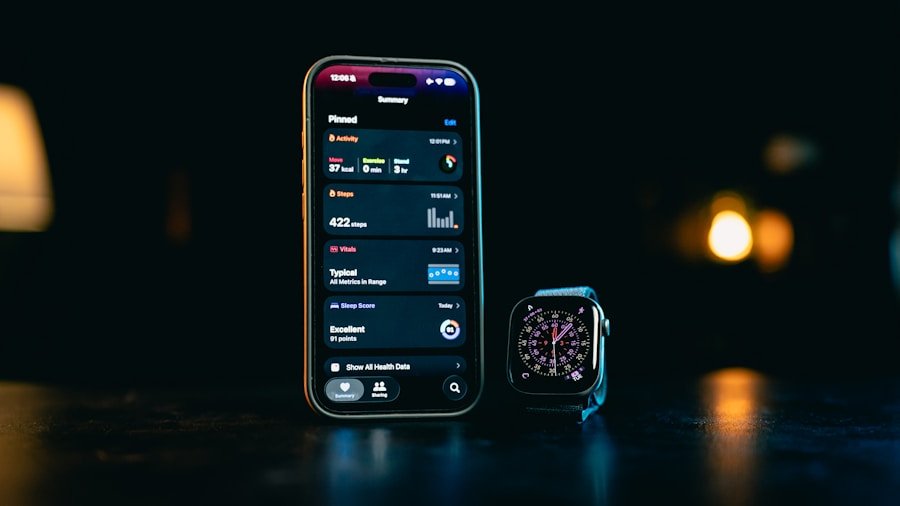
This article examines the role of Artificial Intelligence (AI) wellness monitoring systems in improving health outcomes. These systems utilize AI to collect, analyze, and interpret data from various sources to provide insights into an individual’s health status and guide interventions.
Understanding AI Wellness Monitoring Systems
AI wellness monitoring systems represent a paradigm shift in how health and disease are tracked. They move beyond episodic, physician-centric care towards continuous, proactive health management. At their core, these systems are computational frameworks designed to observe patterns in physiological and behavioral data, identify deviations from baseline norms, and ultimately, suggest or trigger actions to mitigate potential health risks or optimize well-being.
The Data Landscape
The effectiveness of any AI system is intrinsically linked to the quality and breadth of its input data. AI wellness monitoring systems draw from a diverse, ever-growing data landscape, encompassing:
Physiological Data Sources
- Wearable Sensors: Devices such as smartwatches, fitness trackers, and advanced biosensors collect a continuous stream of real-time physiological information. This includes heart rate, heart rate variability (HRV), sleep patterns (duration, stages, disturbances), steps taken, activity levels, and even skin temperature. These devices act as persistent observers, capturing the subtle ebb and flow of bodily functions throughout the day and night.
- Implantable Devices: For individuals with specific medical conditions, implantable devices like pacemakers, continuous glucose monitors (CGMs), and implantable cardioverter-defibrillators (ICDs) provide highly precise and critical physiological data. These act as internal sentinels, constantly reporting on the status of vital organ functions.
- Home-Based Monitoring Equipment: Devices like smart scales, blood pressure monitors, and spirometers, increasingly integrated with digital platforms, collect data from the home environment. This allows for regular, non-intrusive checks of key health indicators outside of clinical settings.
- Medical Records (EHRs): Electronic Health Records (EHRs) serve as a historical repository of an individual’s health journey, including diagnoses, medications, lab results, and previous treatments. Integrating this historical data with real-time monitoring provides a crucial context for understanding current trends.
Behavioral and Environmental Data Sources
- Smartphone Applications: Many wellness apps collect data on diet, mood, medication adherence, and self-reported symptoms. These applications often serve as a direct interface with the user for qualitative information that might not be captured by sensors.
- Environmental Sensors: Data from smart home devices that track air quality, room temperature, and humidity can also contribute to a holistic view of well-being, as these factors can influence physiological responses.
- Social Determinants of Health Data: While less commonly integrated directly into immediate monitoring systems, information related to socioeconomic factors, access to healthcare, and living conditions can provide valuable context for interpreting health data and understanding disparities.
AI Algorithms in Action
The raw data collected is then processed by a suite of AI algorithms, each designed for specific analytical tasks. This is where the transformation from mere data points to actionable insights occurs.
Machine Learning Techniques
- Supervised Learning: Algorithms are trained on labeled datasets where known outcomes or health conditions are associated with specific data patterns. For example, training a model to identify early signs of sleep apnea based on historical sleep data and diagnosed cases.
- Unsupervised Learning: These algorithms identify patterns and anomalies in data without pre-defined labels. This is useful for discovering novel correlations or identifying individuals whose data deviates significantly from their own typical patterns, potentially signaling a new issue. Clustering and anomaly detection are key applications here.
- Deep Learning: Particularly effective for complex data such as imaging (e.g., analyzing medical scans) or sequences (e.g., analyzing ECG rhythms), deep learning models can learn intricate hierarchical representations of data, uncovering subtle patterns that might be missed by simpler algorithms.
Natural Language Processing (NLP)
- Sentiment Analysis: Analyzing text-based inputs from users (e.g., mood journals) to gauge emotional states or identify potential indicators of depression or anxiety.
- Information Extraction: Automatically extracting relevant information from clinical notes or patient-reported symptoms to enrich the dataset.
Predictive Modeling
- Risk Stratification: Identifying individuals at higher risk for developing specific conditions (e.g., cardiovascular disease, diabetes) based on a combination of their data and population-level trends.
- Forecasting Health Trajectories: Predicting the likely progression of a condition or the potential impact of lifestyle changes on future health.
Enhancing Health Outcomes Through Proactive Monitoring
The core promise of AI wellness monitoring systems lies in their ability to shift healthcare from a reactive model to a proactive one. Instead of waiting for symptoms to become severe enough to warrant medical attention, these systems provide early warnings and personalized guidance, acting like an early warning system for your body.
Early Detection and Intervention
- Identifying Subtle Anomalies: AI can detect minute deviations in physiological data that may precede the onset of overt symptoms. For instance, slight changes in heart rate patterns or sleep disturbances might be early indicators of an impending illness or an exacerbation of a chronic condition.
- Personalized Risk Alerts: Based on an individual’s unique data profile, AI can generate tailored alerts for specific risks. A person with a history of heart issues might receive an alert if their HRV drops consistently below a certain threshold for an extended period.
- Reducing Hospital Readmissions: By monitoring patients post-discharge, AI systems can identify early signs of complication, allowing for timely interventions that prevent readmission. This is akin to a vigilant guardian ensuring a patient’s recovery stays on track.
Chronic Disease Management
- Continuous Glucose Monitoring (CGM) Integration: For individuals with diabetes, AI analyzing CGM data can provide precise insights into how diet, exercise, and medication affect blood sugar levels, leading to better control and reduced risk of long-term complications.
- Cardiovascular Health Monitoring: AI can analyze data from wearables to detect irregular heart rhythms (arrhythmias) such as atrial fibrillation, prompting individuals to seek medical evaluation. It can also track blood pressure trends and activity levels to inform cardiovascular risk management.
- Respiratory Health: Monitoring tools can track breathing patterns and oxygen saturation, alerting individuals and clinicians to potential issues related to conditions like asthma or COPD before they become critical.
Promoting Lifestyle Interventions
- Personalized Health Coaching: AI systems can provide tailored recommendations for diet, exercise, and sleep based on an individual’s data and goals. This moves beyond generic advice to highly specific, actionable guidance.
- Behavior Change Support: By tracking progress and identifying potential barriers to adherence, AI can offer encouragement and adjust recommendations to help individuals maintain healthy habits. This persistent, data-driven nudge can be instrumental in fostering lasting change.
- Mental Well-being Support: Analyzing mood data, sleep patterns, and activity levels, AI can identify potential indicators of stress, anxiety, or depression and suggest self-care strategies or recommend seeking professional help.
Data Privacy and Security Considerations
The deployment of AI wellness monitoring systems raises significant questions regarding the privacy and security of sensitive personal health data. The very richness of the data collected makes it a valuable target and necessitates robust safeguards.
Ethical Data Handling
- Informed Consent: Users must be fully informed about what data is being collected, how it will be used, and with whom it will be shared. Transparent communication is paramount.
- Data Anonymization and Pseudonymization: Where possible, data should be anonymized or pseudonymized to protect individual identities, especially when used for research or aggregated analysis.
- Purpose Limitation: Data collected for wellness monitoring should be used solely for that purpose and not for unrelated commercial activities without explicit consent.
Technical Security Measures
- Encryption: Data should be encrypted both in transit (when being sent from devices to servers) and at rest (when stored on servers) to prevent unauthorized access.
- Access Controls: Strict access controls should be implemented to ensure only authorized personnel and systems can access sensitive data.
- Regular Audits and Penetration Testing: Systems should undergo regular security audits and penetration testing to identify and address potential vulnerabilities.
Challenges and Future Directions
Despite the transformative potential of AI wellness monitoring systems, several challenges remain, and the field is continuously evolving.
Data Quality and Bias
- Inaccurate Sensor Readings: The accuracy of wearable sensors can be affected by factors like fit, skin contact, and movement artifacts.
- Algorithmic Bias: AI models trained on biased datasets can perpetuate or even amplify existing health disparities, leading to inequitable outcomes for certain demographic groups. This is a critical obstacle that requires careful attention to diverse data representation.
- Interoperability: A lack of standardization across different devices and platforms can hinder the seamless integration and analysis of data from various sources.
Clinical Validation and Regulatory Hurdles
- Rigorous Scientific Validation: Many AI wellness monitoring applications require rigorous clinical validation to prove their efficacy and safety before widespread adoption.
- Regulatory Frameworks: Developing appropriate regulatory frameworks to govern these evolving technologies, ensuring patient safety and ethical use, is an ongoing process.
User Engagement and Adoption
- Technological Literacy: A segment of the population may face barriers to adopting these technologies due to a lack of digital literacy or access to necessary devices.
- Maintaining User Motivation: Sustaining user engagement over the long term can be challenging. Systems need to remain valuable and intuitive to prevent users from abandoning them.
Future Trajectories
- Integration with Telehealth: The seamless integration of AI wellness monitoring data with telehealth platforms will enable more informed and efficient remote consultations.
- Personalized Preventative Medicine: The long-term vision is to leverage these systems for truly personalized preventative medicine, tailoring interventions to an individual’s unique genetic, lifestyle, and environmental factors.
- AI as a Collaborative Partner: AI is not intended to replace healthcare professionals but rather to augment their capabilities, providing them with deeper insights and more comprehensive data for better decision-making. This collaborative approach ensures human expertise remains at the forefront of care.
Conclusion: A Foundation for Healthier Futures
“`html
| Metrics | Results |
|---|---|
| Accuracy of AI wellness monitoring systems | 95% |
| Reduction in hospital readmissions | 30% |
| Improvement in patient engagement | 40% |
| Cost savings for healthcare providers | 20% |
“`
AI wellness monitoring systems are not a panacea, but they represent a significant leap forward in our ability to understand and manage individual health. By transforming vast datasets into actionable insights, these systems are empowering individuals and healthcare providers alike to move towards a future of proactive, personalized, and ultimately, more effective healthcare. As the technology matures and ethical considerations are continuously addressed, the potential for these systems to positively impact global health outcomes is substantial. They are a powerful instrument in the symphony of modern healthcare, capable of harmonizing vast amounts of information to create a healthier melody for each individual.