
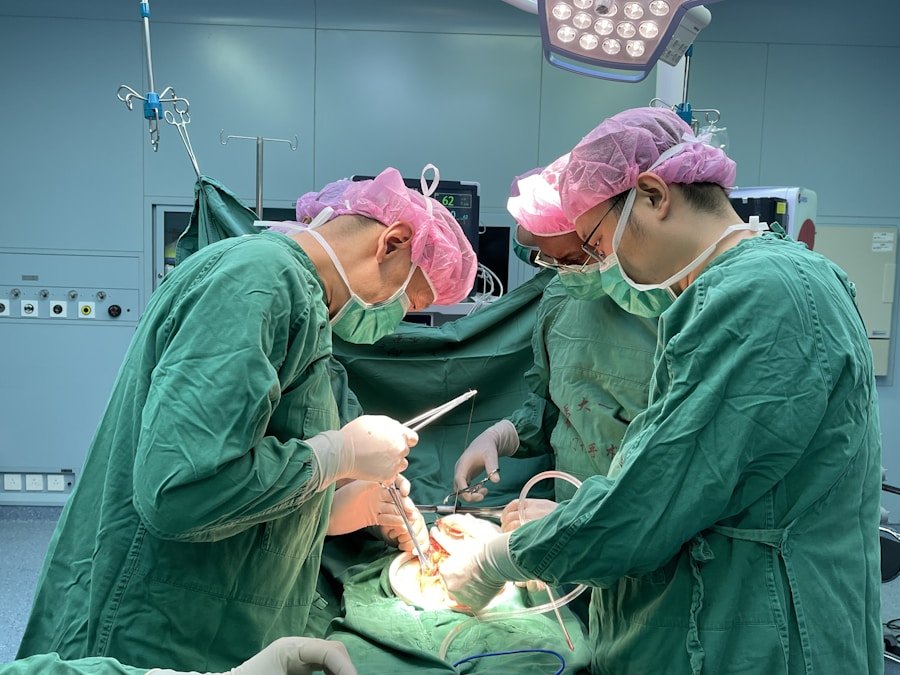
The Shifting Landscape of Healthcare in Abu Dhabi
Abu Dhabi’s economic diversification strategy has long sought to reduce its reliance on fossil fuels, aiming for a knowledge-based economy with robust sectors in myriad fields. Healthcare is one such sector that has seen significant investment and strategic development. Within this evolving landscape, a niche area – recovery clinics – has emerged, not merely as a social service but as a tangible contributor to business growth. This article examines the multifaceted ways in which these specialized facilities are impacting Abu Dhabi’s economic fabric.
The Rise of Specialized Recovery Services
The concept of healthcare in Abu Dhabi has broadened beyond acute treatment of illness and injury. There is a growing recognition of the need for structured, post-acute care and specialized recovery programs. This shift is driven by demographic changes, evolving health needs, and a greater understanding of long-term wellness.
Addressing Chronic Conditions and Post-Operative Care
Modern medical advancements mean that more individuals survive complex illnesses and surgeries. However, survival often necessitates extensive recovery. Recovery clinics in Abu Dhabi cater to a diverse range of needs, from post-cardiac event rehabilitation to neurological recovery after strokes or traumatic brain injuries. These facilities provide managed care transitions, reducing the burden on acute care hospitals and facilitating quicker, more comprehensive patient recovery. This, in turn, allows individuals to return to their productive lives more swiftly.
Mental Health and Addiction Recovery
Historically, discussions around mental health and addiction have been stigmatized. However, Abu Dhabi has made significant strides in destigmatizing these issues and providing accessible care. Recovery clinics specializing in mental health and addiction offer structured programs, therapy, and support systems. By addressing these often debilitating conditions, these clinics improve the quality of life for individuals and families, reducing absenteeism and presenteeism in the workforce.
Sports Medicine and Performance Recovery
With a growing emphasis on health and fitness, and a significant expatriate and local population participating in sports, the demand for specialized sports injury recovery and performance enhancement services has also increased. These clinics utilize advanced physiotherapy, sports science, and rehabilitation techniques to aid athletes and active individuals in returning to peak performance, minimizing downtime, and preventing future injuries. This supports a broader health and wellness ecosystem within the emirate.
Economic Impact and Investment Opportunities
The establishment and expansion of recovery clinics are not merely expenditure items; they represent a significant economic engine, attracting investment, creating jobs, and stimulating associated industries.
Direct Job Creation
Operating a recovery clinic requires a diverse workforce. This includes highly specialized medical professionals such as rehabilitation physicians, physiotherapists, occupational therapists, speech therapists, psychologists, and addiction counselors. Beyond clinicians, administrative staff, support personnel, and facility management teams are also essential. This direct job creation contributes to local employment and human capital development.
Attraction of Foreign Direct Investment (FDI)
The healthcare sector in Abu Dhabi is strategically open to foreign investment. International healthcare providers, recognizing the strong regulatory framework, sophisticated infrastructure, and growing market demand, are increasingly looking to establish or partner with recovery clinics in the emirate. This influx of FDI brings specialized expertise, advanced technologies, and global best practices, further elevating the standard of care.
Stimulating Ancillary Industries
The operation of recovery clinics creates demand across a spectrum of related industries. This includes medical equipment suppliers, pharmaceutical companies, catering services for specialized diets, linen services, cleaning and maintenance companies, and even patient transport providers. Each clinic becomes a node in a larger economic network, generating business for local enterprises.
Enhancing Abu Dhabi’s Healthcare Ecosystem
The presence of robust recovery clinics strengthens the entire healthcare ecosystem of Abu Dhabi, contributing to its reputation as a global medical hub.
Reducing Strain on Acute Care Facilities
By providing dedicated facilities for post-acute and rehabilitative care, recovery clinics alleviate the pressure on general hospitals. Patients who no longer require intensive medical interventions can transition to these specialized settings, freeing up beds and resources in acute care units for those who need them most. This optimization of resources is crucial for an efficient healthcare system.
Improving Health Outcomes and Productivity
Effective recovery directly correlates with improved long-term health outcomes. When individuals receive appropriate rehabilitation, they are more likely to regain functionality, manage chronic conditions effectively, and avoid relapses. A healthier population is a more productive population, translating into reduced healthcare expenditure in the long run and a more robust workforce.
Promoting Medical Tourism
Abu Dhabi has ambitious goals for medical tourism. High-quality recovery clinics, particularly those specializing in niche areas like neurological rehabilitation or sports medicine, are a significant draw for international patients seeking advanced care and recuperation in a supportive environment. The emirate’s appeal as a safe, modern, and hospitable destination further enhances this potential.
Regulatory Framework and Quality Assurance
The growth of recovery clinics in Abu Dhabi is underpinned by a robust regulatory framework designed to ensure high standards of care and patient safety.
Department of Health – Abu Dhabi (DoH) Oversight
The Department of Health – Abu Dhabi (DoH) is the primary regulatory body responsible for licensing, monitoring, and quality assurance of all healthcare facilities, including recovery clinics. This oversight ensures that clinics adhere to strict professional standards, maintain appropriate staffing levels, and utilize evidence-based practices. Regular inspections and audits maintain compliance.
International Accreditation Standards
Many recovery clinics in Abu Dhabi actively seek and achieve international accreditations such as those from the Joint Commission International (JCI). These accreditations signify adherence to global benchmarks for patient safety and quality of care, boosting confidence among patients and international partners. They also serve as a mechanism for continuous quality improvement.
Investment in Professional Development
The DoH and leading healthcare providers often invest in continuous professional development for their staff. This commitment ensures that healthcare professionals in recovery clinics are up-to-date with the latest advancements in rehabilitation science, therapy techniques, and patient care protocols. This focus on ongoing education is critical for maintaining high standards.
Challenges and Future Outlook
While the trajectory for recovery clinics in Abu Dhabi appears positive, there are inherent challenges that require careful consideration for sustained growth and development.
Workforce Development and Retention
Despite efforts, attracting and retaining highly specialized healthcare professionals, especially in niche fields of rehabilitation and mental health, remains a challenge. Competition for talent is global, and ensuring a steady supply of qualified individuals requires ongoing investment in education, training, and competitive compensation packages.
Public Awareness and Access
While strides have been made, there is still work to be done in raising public awareness about the benefits and availability of specialized recovery services. Ensuring equitable access to these clinics across all socioeconomic strata, and integrating them effectively into primary care pathways, will be crucial for maximizing their community impact.
Technological Integration and Innovation
The field of rehabilitation is constantly evolving with technological advancements, from robotic-assisted therapy to virtual reality rehabilitation. Clinics must continuously invest in and integrate these innovations to remain at the forefront of care. This requires significant capital expenditure and a skilled workforce capable of operating and leveraging new technologies.
Future Expansion and Specialization
The future outlook for recovery clinics in Abu Dhabi suggests continued expansion and further specialization. As the population ages and lifestyle diseases become more prevalent, the demand for geriatric rehabilitation, chronic pain management centers, and highly individualized recovery programs will likely increase. This will necessitate strategic planning for facility development, resource allocation, and talent acquisition.
In conclusion, recovery clinics are more than just healthcare facilities in Abu Dhabi; they are catalysts for economic growth, pillars of a robust healthcare ecosystem, and contributors to the overall well-being of the emirate’s population. By fostering a climate of investment, upholding stringent quality standards, and recognizing the integral role of post-acute care, Abu Dhabi is transforming a critical healthcare need into a diversified and thriving business sector. The impact extends beyond the balance sheets, touching the lives of individuals who, through these clinics, regain not just their health, but their ability to contribute to society. The vision is clear: turning periods of vulnerability into opportunities for renewed strength, both for individuals and for the emirate’s economy.