
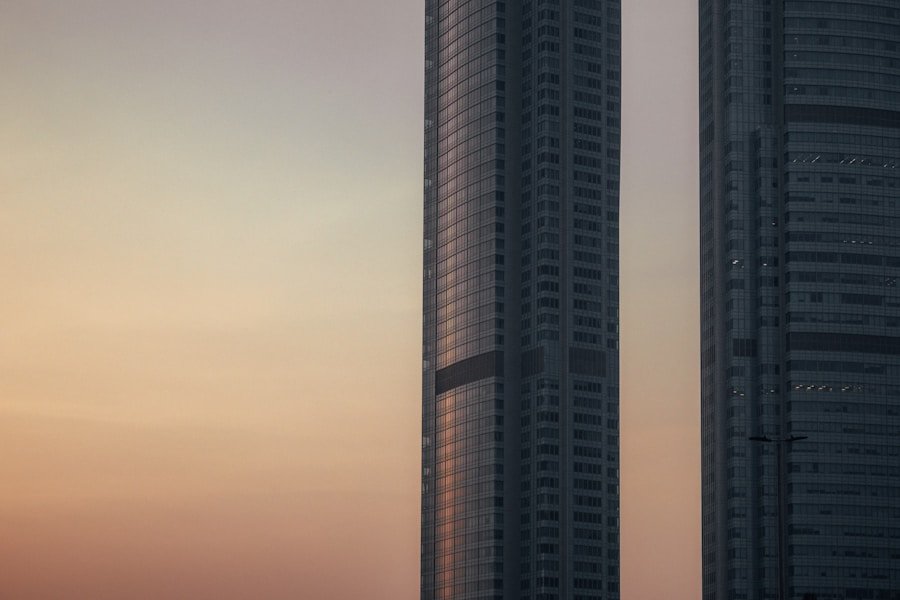
Dubai, known for its opulent skyscrapers and luxurious lifestyle, has also been making a name for itself in the realm of green architecture. With a growing awareness of environmental issues and a commitment to sustainable development, the city has seen a surge in the construction of eco-friendly buildings that not only reduce the carbon footprint but also enhance the quality of life for its residents. Green architecture in Dubai is not just a trend, but a necessity as the city grapples with the challenges of rapid urbanization and climate change. From solar-powered skyscrapers to green-roofed villas, the city is embracing innovative design and cutting-edge technology to create a more sustainable built environment.
The government of Dubai has been proactive in promoting green architecture through various initiatives and regulations. The Dubai Municipality has introduced the Green Building Regulations and Specifications, which set standards for energy efficiency, water conservation, and indoor air quality in new construction projects. Additionally, the Dubai Supreme Council of Energy has launched the Dubai Integrated Energy Strategy 2030, which aims to reduce energy demand by 30% and increase the share of clean energy sources to 15% by 2030. These efforts have paved the way for architects and developers to incorporate sustainable design principles into their projects, leading to a greener and more resilient urban landscape.
The Role of Sustainability in Green Architecture
Sustainability is at the core of green architecture, and it encompasses a wide range of principles and practices that aim to minimize the environmental impact of buildings while maximizing their benefits to society. In the context of Dubai, sustainability is particularly important due to the city’s arid climate, high energy consumption, and rapid urban growth. Green architects in Dubai are therefore tasked with creating buildings that are not only energy-efficient and resource-conscious but also responsive to the local climate and culture. This requires a holistic approach that considers the entire lifecycle of a building, from design and construction to operation and maintenance.
One of the key aspects of sustainability in green architecture is energy efficiency. Buildings in Dubai account for a significant portion of the city’s energy consumption, and reducing this demand is crucial for mitigating climate change and ensuring long-term energy security. Green architects achieve this through passive design strategies such as orientation, shading, and natural ventilation, as well as active technologies like solar panels, wind turbines, and energy-efficient HVAC systems. Water conservation is another critical aspect of sustainability in Dubai, where freshwater resources are scarce. Green architects incorporate features such as rainwater harvesting, greywater recycling, and low-flow fixtures to minimize water usage in buildings. Additionally, sustainable materials and construction techniques are used to reduce the environmental impact of building materials and waste generation. By integrating these principles into their designs, green architects play a vital role in creating a more sustainable and resilient built environment in Dubai.
The Design Process: Integrating Nature and Technology
The design process in green architecture involves a careful balance between nature and technology, where the natural environment serves as a source of inspiration and innovation. In Dubai, this approach is particularly relevant as the city is surrounded by desert landscapes and coastal ecosystems that present both challenges and opportunities for sustainable design. Green architects draw from these natural elements to create buildings that are not only visually striking but also responsive to their surroundings. This often involves incorporating biophilic design principles, which seek to connect people with nature through the use of natural materials, daylighting, and green spaces. By blurring the boundaries between indoor and outdoor environments, green architects in Dubai create buildings that promote health and well-being while reducing the ecological footprint.
At the same time, technology plays a crucial role in the design process by enabling innovative solutions for energy efficiency, material performance, and building performance. Advanced modeling tools allow architects to simulate the environmental performance of their designs and optimize them for maximum sustainability. Building information modeling (BIM) software is used to streamline collaboration between designers, engineers, and contractors, leading to more integrated and efficient construction processes. Additionally, digital fabrication technologies enable the production of custom components and assemblies that minimize waste and maximize resource efficiency. By harnessing these technological advancements, green architects in Dubai are able to push the boundaries of sustainable design and create buildings that are both environmentally responsible and technologically advanced.
Materials and Construction Techniques in Green Architecture
The choice of materials and construction techniques is a critical aspect of green architecture, as it directly impacts the environmental footprint of buildings. In Dubai, where rapid urbanization has led to high demand for construction materials and resources, green architects are increasingly turning to sustainable alternatives that minimize waste and reduce embodied energy. This includes using locally-sourced materials to reduce transportation emissions, as well as recycled or renewable materials that have lower environmental impacts. For example, bamboo is being used as a sustainable alternative to traditional timber for its rapid growth rate and high strength-to-weight ratio. Similarly, recycled steel and concrete are being used in construction projects to reduce the demand for virgin materials and divert waste from landfills.
In addition to material selection, green architects in Dubai are also exploring innovative construction techniques that minimize environmental impact while maximizing building performance. Prefabrication and modular construction methods are gaining popularity for their ability to reduce construction waste, shorten project timelines, and improve quality control. These techniques also allow for greater flexibility in design and adaptation to site-specific conditions, which is particularly important in a dynamic urban environment like Dubai. Furthermore, green architects are incorporating passive design strategies into their construction techniques, such as optimizing building orientation for solar gain and natural ventilation. By integrating these sustainable materials and construction techniques into their projects, green architects are able to create buildings that are not only visually stunning but also environmentally responsible.
Case Studies: Iconic Green Buildings in Dubai
Dubai is home to several iconic green buildings that showcase the city’s commitment to sustainable design and innovation. One such example is The Change Initiative Building, which is the first commercial building in the world to achieve LEED Platinum certification for its sustainable features. Designed by HOK Architects, the building incorporates passive design strategies such as shading devices, natural ventilation, and high-performance glazing to reduce energy consumption. It also features a rooftop solar array that provides renewable energy for the building’s operations. The Change Initiative Building serves as a model for sustainable commercial development in Dubai, demonstrating how green architecture can be both environmentally responsible and economically viable.
Another notable example is The Sustainable City, a mixed-use development that aims to be a net-zero community by generating all of its energy from renewable sources. Designed by Diamond Developers, the project features solar panels on every rooftop, wind turbines throughout the community, and an extensive network of green spaces that promote biodiversity and ecological resilience. The Sustainable City also incorporates sustainable transportation options such as electric vehicle charging stations and dedicated cycling paths to reduce reliance on fossil fuels. By integrating sustainable technologies with community-oriented design principles, The Sustainable City sets a new standard for sustainable urban development in Dubai.
Challenges and Future Trends in Green Architecture
Despite the progress made in green architecture in Dubai, there are still several challenges that need to be addressed to further advance sustainability in the built environment. One of the main challenges is the high cost of implementing green technologies and materials, which can deter developers from pursuing sustainable design strategies. To overcome this barrier, there is a need for greater financial incentives and regulatory support for green building practices. Additionally, there is a lack of awareness and education about sustainable design among both industry professionals and the general public. This highlights the need for more outreach programs and training initiatives to promote sustainable building practices in Dubai.
Looking ahead, there are several future trends that are expected to shape the trajectory of green architecture in Dubai. One such trend is the integration of smart technologies into building design to optimize energy performance and occupant comfort. This includes advanced building automation systems, sensor networks, and data analytics that enable real-time monitoring and control of building operations. Another trend is the rise of biophilic design principles that seek to create buildings that foster a deeper connection with nature through the use of natural materials, daylighting, and greenery. This trend aligns with Dubai’s vision of creating a more livable and sustainable urban environment that prioritizes human well-being alongside environmental stewardship.
The Impact of Green Architects in Dubai
In conclusion, green architecture has emerged as a transformative force in shaping the built environment of Dubai. Through innovative design solutions, sustainable materials, and advanced construction techniques, green architects are creating buildings that not only reduce environmental impact but also enhance quality of life for residents. The role of sustainability in green architecture cannot be overstated, as it serves as a guiding principle for creating buildings that are responsive to their surroundings while minimizing resource consumption. As Dubai continues to grow and develop, it is imperative that green architects play a central role in shaping the city’s future by promoting sustainable design practices and pushing the boundaries of innovation. With ongoing challenges and future trends on the horizon, green architecture in Dubai is poised to make an even greater impact on creating a more resilient and sustainable urban landscape for generations to come.
При планировании поездку в Калининград, рекомендуется заранее разузнать, когда стартует сезон купания и какая температура моря в Балтийском море у берега города. В июле-августе вода достигает до комфортных 18-20°C, поэтому плавать в Калининграде летом вполне реально. При этом, в сентябре и октябре вода уже заметно холоднее, и купальный сезон со временем завершается. Получить подробнее о температуре моря, погоде и зонах для прогулок можно на сайте [url=https://school16vlad.ru/]смотровая площадка калининград[/url] .
Помимо пляжей и янтарного побережья, обязательно посетите культурные объекты Калининграда: старый город, форты (например, форт 11 — Дёнхофф), исторические замки региона и органный зал в главном соборе. Для семей с детьми станет хорошим выбором светлогорск с музеями и парками, а вечером великолепно зайти в рыбную деревню или посетить в атмосферные кафе. Калининград дает приятные воспоминания в любое время года — даже зимой здесь относительно мягкий климат по сравнению с остальными территориями Россией.