
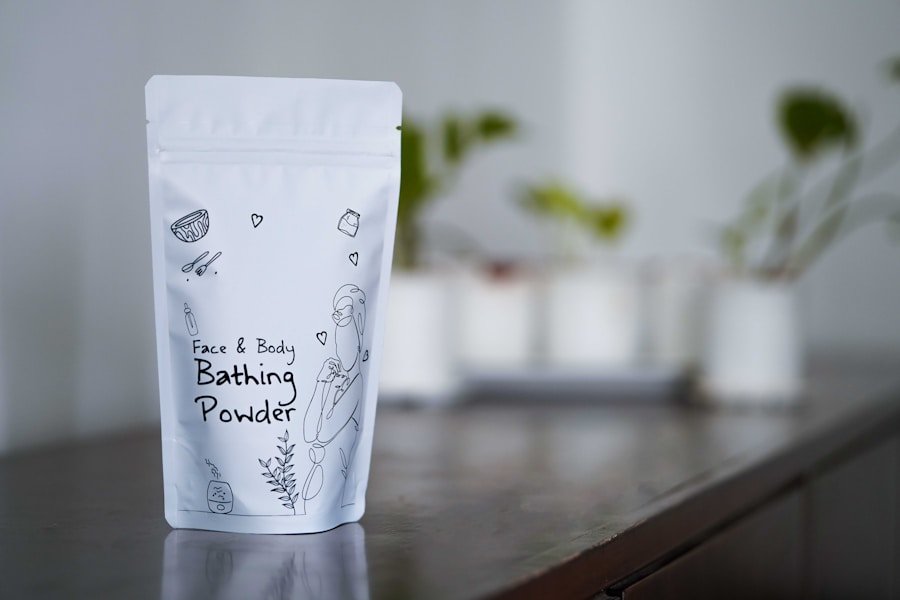
The beauty industry, traditionally a resource-intensive sector, is undergoing a transformation. In Dubai, a city known for its luxury market, this shift is particularly evident as high-end cosmetic brands increasingly explore and implement circular economy principles. This article examines the various ways these brands are adopting sustainable practices, moving beyond conventional linear models of production and consumption.
The Imperative of Sustainable Beauty in Dubai
Dubai’s position as a global hub for luxury goods places a unique spotlight on its cosmetic industry. The emirate’s discerning clientele and commitment to sustainable development initiatives are driving forces behind this change.
Environmental Impact of Traditional Beauty Practices
The conventional beauty industry operates on a take-make-dispose model. This linear approach generates significant waste, from packaging to product formulations. Readers should consider the cumulative effect of millions of products, each packaged and distributed, eventually reaching landfills. The environmental footprint extends to water consumption, energy use in manufacturing, and the sourcing of raw materials. For Dubai, where resources like water are precious, the need for efficiency is amplified.
Evolving Consumer Expectations
Modern consumers, particularly in luxury markets, are increasingly informed and ethically conscious. They demand transparency and authenticity from brands. A product’s efficacy is no longer the sole determinant of its value; its environmental and social credentials are equally important. This shift in consumer behavior acts as a powerful catalyst for brands to re-evaluate their operational paradigms. Brands failing to adapt risk falling out of favor with a demographic that views sustainability as a non-negotiable aspect of their purchasing decisions.
Embracing Circular Economy Principles
The circular economy, unlike its linear counterpart, aims to eliminate waste and pollution, circulate products and materials, and regenerate nature. For luxury beauty brands in Dubai, this involves a multi-faceted approach.
Sustainable Sourcing and Ingredient Innovation
The journey towards sustainability often begins at the very root: the ingredients themselves. Brands are meticulously scrutinizing their supply chains.
Ethical and Traceable Ingredients
Luxury brands are investing in direct relationships with suppliers, ensuring ingredients are ethically harvested and workers are fairly compensated. This often involves working with small communities or cooperatives, creating a symbiotic relationship that benefits both the brand and the origin community. Readers can imagine this as a delicate web, where every strand – from the cultivator to the final product – is connected and respected. Traceability, enabled by technologies like blockchain, provides an irrefutable record of an ingredient’s journey from soil to serum.
Upcycling and By-product Utilization
Innovation extends to utilizing ingredients that would otherwise be discarded. For instance, grape seeds from winemaking or coffee grounds from cafes are being repurposed into active ingredients for skincare. This transformation of waste into valuable resources is a quintessential circular practice. It’s akin to an alchemist’s touch, turning dross into gold, demonstrating ingenuity and resourcefulness.
Green Chemistry and Biotechnology
The development of new, sustainable ingredients through green chemistry principles minimizes hazardous substances and maximizes efficiency. Biotechnology offers another avenue, allowing for the creation of potent active ingredients through fermentation or cellular agriculture, reducing the need for extensive land use or traditional harvesting methods. These scientific advancements are the bedrock upon which future sustainable beauty is being built.
Revolutionary Packaging Solutions
Packaging represents a significant portion of the beauty industry’s waste footprint. Luxury brands in Dubai are leading the charge in re-imagining how products are presented and protected.
Refillable and Reusable Systems
The concept of refillable packaging is gaining traction. Brands are designing elegant, durable containers that consumers can continuously replenish. This reduces the demand for new packaging materials and encourages a long-term relationship between the consumer and the brand. Consider a beautifully crafted glass jar; it’s no longer disposable but a cherished item that serves as an enduring vessel for beauty.
In-store Refill Stations
Some brands are establishing dedicated refill stations in their boutiques, offering a personalized experience while minimizing environmental impact. This also fosters a sense of community and direct engagement with the brand’s sustainable mission.
Subscription-based Refills
Subscription models allow for automatic delivery of refill pouches or cartridges, streamlining the process for consumers and ensuring consistent product availability without redundant packaging.
Biodegradable and Compostable Materials
For packaging components that cannot be easily refilled or reused, brands are exploring biodegradable and compostable alternatives. Materials derived from plant cellulose, mushroom mycelium, or even seaweed are being investigated and deployed. This ensures that even at the end of their life cycle, these materials return to the earth without leaving a lasting footprint.
Recycled and Recyclable Content
Utilizing post-consumer recycled (PCR) plastics and glass reduces the reliance on virgin materials. Furthermore, designing packaging to be easily recyclable and providing clear instructions to consumers closes the loop on material usage. Brands are engaging in the painstaking work of ensuring that their elaborate packaging, a hallmark of luxury, can also be a testament to environmental responsibility.
Sustainable Manufacturing and Operations
Beyond ingredients and packaging, the operational aspects of producing luxury cosmetics are also undergoing significant changes.
Energy Efficiency and Renewable Energy Adoption
Manufacturing facilities are being retrofitted with energy-efficient equipment and processes. The integration of renewable energy sources, such as solar panels, aims to reduce the carbon footprint associated with production. Dubai’s abundant sunshine makes solar energy a particularly viable option for powering these operations.
Water Conservation and Wastewater Treatment
Water management is critical, especially in arid regions like Dubai. Brands are implementing closed-loop water systems where water used in production is treated and recirculated. Sophisticated wastewater treatment technologies ensure that any discharged water meets stringent environmental standards. Readers can view water as the lifeblood of production; its careful management is paramount.
Waste Reduction and Management Programs
Comprehensive waste audits and reduction strategies are being implemented across manufacturing, distribution, and retail operations. This includes minimizing waste in laboratories, optimizing packaging processes to reduce material scrap, and partnering with specialized recycling facilities. The goal is to move towards a “zero waste to landfill” model, where every byproduct finds a new purpose.
Brand Communication and Consumer Engagement
“`html
| Brand | Recycled Packaging Usage (%) | Carbon Neutral Status | Percentage of Natural Ingredients |
|---|---|---|---|
| Brand A | 30% | Yes | 70% |
| Brand B | 50% | No | 85% |
| Brand C | 40% | Yes | 90% |
“`
For sustainable efforts to be truly effective, they must be communicated clearly and authentically to consumers.
Transparency and Storytelling
Luxury brands are increasingly transparent about their sustainable practices, providing detailed information about ingredient sourcing, manufacturing processes, and packaging materials. This transparency builds trust and strengthens brand loyalty. Storytelling, when done genuinely, can illuminate the brand’s commitment to sustainability, rather than merely stating facts. It creates an emotional connection, enabling consumers to partake in the brand’s journey.
Education and Empowerment
Brands are educating consumers on how to dispose of or return packaging, how to properly use refillable systems, and the broader benefits of sustainable consumption. This empowers consumers to make informed choices and actively participate in the circular economy. This is not about preaching, but about sharing knowledge, making consumers collaborators in the mission.
Collaborations and Industry Standards
Many brands recognize that collective action is more impactful than individual efforts. They are collaborating with industry associations, NGOs, and even competitors to establish common sustainability standards and share best practices. This cooperative spirit is vital for driving systemic change across the entire beauty sector. It’s a shared voyage, where each brand contributes to charting a new course.
The Future Landscape of Sustainable Luxury Beauty in Dubai
The trajectory of sustainable luxury beauty in Dubai points towards a future where environmental responsibility is not a niche consideration but an intrinsic part of a brand’s identity and value proposition.
Policy and Regulatory Support
The Dubai government’s overarching vision for sustainability, including initiatives like the Dubai Clean Energy Strategy 2050, provides a supportive regulatory environment for businesses embracing circular economy principles. This governmental impetus acts as a powerful tailwind, propelling brands forward.
Innovation as a Continuous Process
The pursuit of sustainability is not a destination but an ongoing journey of innovation. Brands will continue to explore novel materials, advanced technologies, and pioneering business models. This constant evolution is a necessary response to ever-changing environmental challenges and technological advancements.
Redefining Luxury
Ultimately, embracing circular practices redefines the very essence of luxury. It moves beyond exclusivity and indulgence to encompass responsibility, ethics, and a profound respect for the planet. A product’s luxury will increasingly be measured not just by its craftsmanship or rarity, but by its minimal footprint and positive impact. This paradigm shift suggests that true luxury in the future will be synonymous with sustainability.
The transition to a circular economy within the luxury beauty sector in Dubai is a complex yet crucial endeavor. It requires reimagining every stage of the product lifecycle, from initial concept to end-of-life. By prioritizing sustainable sourcing, innovative packaging, efficient manufacturing, and transparent communication, these brands are not merely adapting to new trends; they are actively shaping the future of beauty. This transformation is a testament to Dubai’s commitment to both economic prosperity and environmental stewardship, setting a benchmark for the global luxury market.