
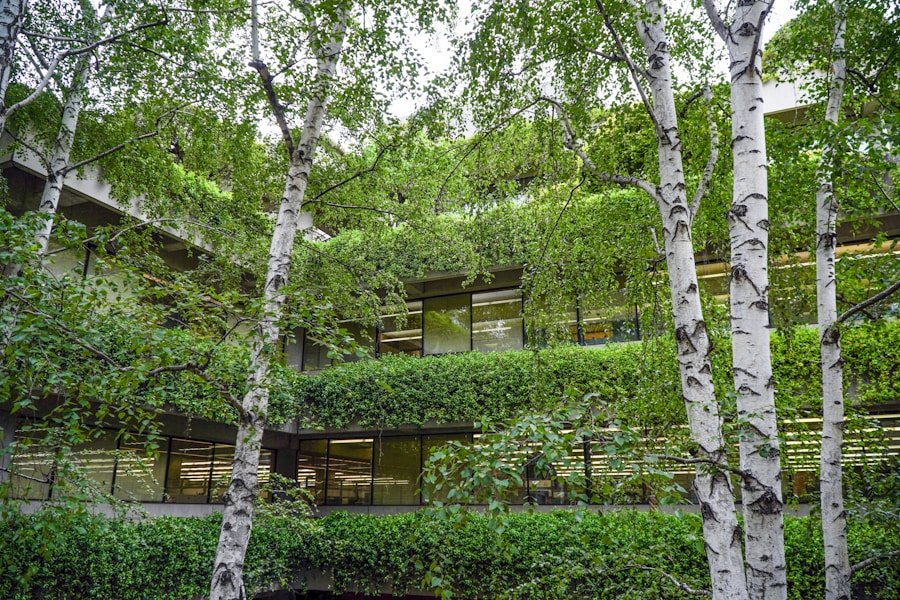
Tanger, a city at the crossroads of continents, offers a developing landscape for travelers seeking both comfort and environmental responsibility. This article explores a selection of establishments in Tanger that integrate luxurious amenities with sustainable practices, presenting options for discerning guests who prioritize ecological consciousness. The focus here is on tangible efforts to reduce environmental impact, promote local communities, and conserve resources, rather than performative gestures.
The Interplay of Luxury and Sustainability
The concept of “sustainable luxury” might, at first glance, appear paradoxical. Luxury often conjures images of excess, while sustainability emphasizes conservation and mindful consumption. However, these two notions are not inherently diametrically opposed. In the hospitality sector, sustainable luxury aims to deliver high-quality experiences without compromising the planet’s integrity. It’s about a symbiotic relationship, where the comfort and sophistication guests expect are delivered through environmentally responsible means. This includes architectural design that minimizes impact, operational practices that conserve resources, and a supply chain that supports local economies and ethical sourcing.
Defining Sustainable Luxury in Hotel Operations
For an establishment to genuinely embody sustainable luxury, its commitment must extend beyond superficial initiatives. It encompasses a holistic approach to environmental management. This includes rigorous waste management, embracing renewable energy sources, and implementing comprehensive water conservation strategies. Beyond the physical infrastructure, it involves training staff in sustainable practices and educating guests on their role in these efforts. The true measure lies in the integration of these principles into the core operational philosophy, making them inherent rather than additive.
The Guest’s Role in Eco-Conscious Travel
As a traveler, your choices significantly influence the market. Opting for hotels with demonstrable sustainable practices signals demand for such offerings, encouraging further development in this sector. Your engagement might involve participating in hotel-led initiatives, conserving resources during your stay, or patronizing local, ethically sourced businesses. This collective influence acts as a gentle, yet persistent, current, shaping the flow of the industry towards a more responsible future.
Architectural and Design Principles: Blending with the Environment
The physical structure of a hotel is its initial interaction with the natural world. Sustainable luxury hotels in Tanger demonstrate a commitment to design that harmonizes with the local environment, rather than imposing upon it. This often means drawing inspiration from traditional Moroccan architecture, utilizing local materials, and orienting buildings to maximize natural light and ventilation, thus reducing energy consumption.
Local Materials and Traditional Techniques
Many eco-friendly hotels in Tanger incorporate readily available local materials such as wood, stone, and clay in their construction. This not only reduces the carbon footprint associated with transportation but also supports local artisans and preserves traditional building techniques. The use of natural insulation materials and passive cooling strategies further minimizes reliance on artificial climate control, creating structures that breathe with the environment. This represents a foundational layer, a kind of geological stratum, upon which sustainable operations are built.
Energy-Efficient Design and Renewable Integration
Beyond material selection, innovative architectural design plays a crucial role in energy efficiency. This includes strategic window placement for optimal natural light, thermal massing to regulate indoor temperatures, and advanced insulation techniques. Furthermore, many establishments are integrating renewable energy sources such as solar panels for electricity generation and water heating, significantly reducing their dependence on fossil fuels. This technological infusion acts as a vascular system, pumping clean energy throughout the establishment.
Resource Management: Water, Waste, and Energy
Effective resource management forms the bedrock of any truly sustainable operation. For luxury hotels, this requires a delicate balance between providing expected amenities and minimizing environmental impact. Implementations range from sophisticated water recycling systems to comprehensive waste reduction and composting programs.
Advanced Water Conservation Strategies
Water scarcity is a global concern, and in many regions, including parts of Morocco, it demands particular attention. Eco-friendly hotels in Tanger often employ advanced water conservation technologies. These can include low-flow fixtures in bathrooms and kitchens, rainwater harvesting systems for irrigation, and greywater recycling for non-potable uses such as toilet flushing or landscape watering. These measures are not merely adjustments; they represent a fundamental recalibration of water usage, treating it as the precious resource it is.
Comprehensive Waste Reduction and Recycling Programs
Waste management extends beyond simply separating recyclables. Sustainable luxury hotels implement multi-faceted approaches. This involves minimizing single-use plastics, composting organic waste, and forging partnerships with local organizations to repurpose or recycle materials that might otherwise end up in landfills. Some hotels also prioritize purchasing products with minimal packaging and engage in responsible procurement practices to reduce upstream waste generation. This effort forms a protective membrane, preventing unnecessary detritus from entering the wider environment.
Transitioning to Renewable Energy Sources
The energy footprint of a hotel can be substantial. Sustainable luxury establishments actively pursue transitions towards renewable energy. Beyond solar panels, some explore partnerships with green energy providers or invest in energy-efficient appliances and lighting systems. Regular energy audits are conducted to identify areas for improvement, ensuring a continuous evolution towards a lower carbon footprint. This transition is less a change of direction and more an elevation to a higher energy plane.
Local Sourcing and Community Engagement
A truly sustainable hotel is not an isolated island; it is deeply interwoven with its local community and economy. This involves prioritizing local procurement, supporting local artisans, and contributing to community development initiatives.
Supporting Local Producers and Artisans
By sourcing food, linens, and amenities from local producers and artisans, hotels reduce transportation emissions, stimulate the local economy, and help preserve traditional crafts and livelihoods. This creates a positive feedback loop, where the hotel’s success contributes directly to the well-being of the surrounding community. Such practices build a robust root system, anchoring the hotel within its immediate environment.
Ethical Employment Practices and Fair Wages
Beyond economic interactions, ethical employment practices are paramount. This means providing fair wages, safe working conditions, and opportunities for professional development for all staff members. A commitment to employee welfare contributes to a positive work environment and supports the local populace, ensuring that the benefits of tourism are shared equitably. This human element forms a vital circulatory system, ensuring well-being permeates throughout the organizational structure.
Contributing to Local Conservation and Development
Many eco-friendly hotels in Tanger actively participate in or contribute to local conservation efforts, such as coastal clean-ups, reforestation projects, or educational programs. Some also support community development initiatives, investing in local infrastructure, healthcare, or education. These contributions solidify the hotel’s role as a responsible steward of both the environment and society. This engagement is a form of ecological respiration, allowing the hotel to both absorb from and contribute to its surroundings.
Guest Experience and Educational Outreach
| Hotel Name | Location | Green Certification | Energy Efficiency | Water Conservation |
|---|---|---|---|---|
| Hotel A | Tanger City Center | LEED Gold | LED lighting, solar panels | Rainwater harvesting, low-flow fixtures |
| Hotel B | Beachfront | Green Key | Energy-efficient HVAC, motion sensors | Water recycling system |
| Hotel C | Mountain View | Eco-Label | Geothermal heating, insulation | Drip irrigation, greywater reuse |
While sustainability is fundamentally about environmental responsibility, it also extends to the guest experience. Sustainable luxury hotels aim to educate and inspire their guests, making them active participants in the journey towards a more conscious way of travel.
Integrating Sustainability into Guest Services
This might involve providing information about local ecosystems, offering guided nature walks, or suggesting sustainable transportation options. Rooms may include information on responsible linen and towel usage, and waste separation instructions. The aim is to empower guests to make informed choices that align with the hotel’s values. This integration acts as a gentle current, guiding guests towards more conscious decisions.
Programs and Activities for Environmental Awareness
Educational programs or workshops focusing on local culture, environmental issues, or sustainable living practices can be offered to guests. This goes beyond mere information dissemination, creating immersive experiences that deepen understanding and foster a connection with the local environment and community. These programs serve as intellectual seeds, planted within the guest’s experience, potentially blossoming into a deeper environmental awareness.
Encouraging Responsible Behavior
Ultimately, the goal is to cultivate a culture of responsibility. This involves subtle cues and clear communication rather than prescriptive mandates. Hotels can leverage technology, such as in-room tablets, to provide real-time data on energy or water consumption, allowing guests to visualize their impact and make conscious adjustments. This encouragement acts as a subtle gravitational pull, nudging behavior towards alignment with sustainable principles.
Challenges and Future Outlook
The path to complete sustainability is an ongoing journey, fraught with challenges. However, the commitment to overcoming these hurdles defines the true leaders in this space.
Addressing Operational Complexities
Implementing sustainable practices within a luxury setting can present operational complexities. Balancing the desire for lavish amenities with resource conservation requires ingenuity and continuous innovation. For example, maintaining a high standard of comfort while minimizing energy consumption necessitates thoughtful design and advanced technology. This balance is a tightrope walk – a continuous exercise in equilibrium.
The Role of Technology in Advancing Sustainability
Technological advancements, such as AI-powered energy management systems, advanced water purification, and smart waste sorting robotics, offer promising avenues for further reducing environmental impact. Investment in these areas is crucial for hotels seeking to continually improve their sustainability credentials. Technology acts as a compass, guiding towards more efficient and less impactful operations.
The Evolving Landscape of Sustainable Tourism
The demand for sustainable tourism is steadily growing, pushing the hospitality industry towards greater accountability. As a traveler, your discerning choices will continue to shape this evolution, encouraging more establishments to embrace genuine sustainable practices. The future of tourism in Tanger, and globally, leans towards a model where responsible travel is not an anomaly, but the expected standard. This evolution is a steady tide, gradually reshaping the coastline of the tourism industry.