
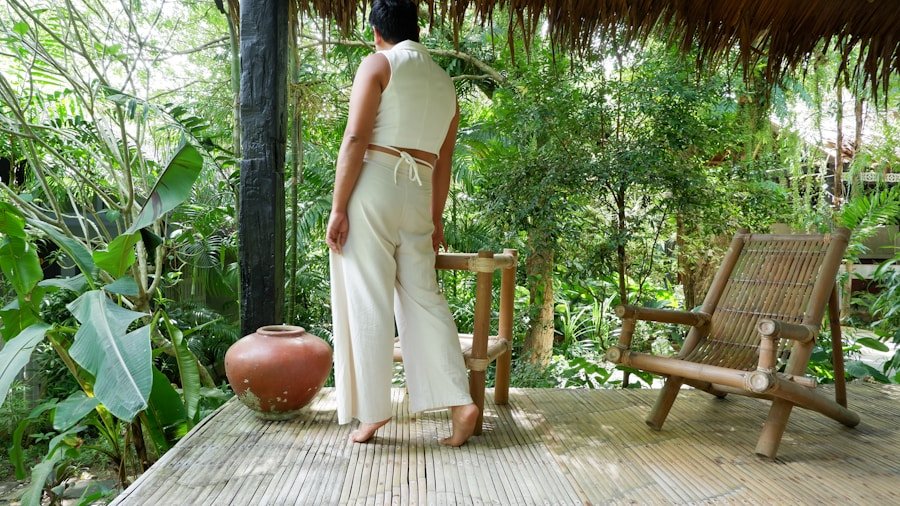
The following article provides an overview of vegan and organic resort options in Tanger, Morocco. It aims to serve as a resource for individuals seeking accommodation that aligns with plant-based and sustainable living principles. The guide details various aspects of these establishments, including their culinary offerings, sustainability practices, and guest experiences.
The Rise of Sustainable Tourism in Tanger
Tanger, a city experiencing significant development, is increasingly recognizing the demand for sustainable tourism. This shift reflects a global trend where travelers prioritize environmental responsibility and ethical consumption. As such, the city’s hospitality sector has begun to adapt, with some establishments incorporating vegan and organic principles into their operations. This section explores the motivations behind this trend and its implications for the local tourism landscape.
Ethical Travel and Consumer Demand
The growing awareness of environmental issues and animal welfare has fueled a consumer demand for ethical travel options. Travelers are no longer solely focused on luxury or convenience; they also seek experiences that minimize their ecological footprint and support ethical practices. This includes a preference for plant-based diets and organically sourced produce. In Tanger, this translates to a burgeoning market for resorts that cater to these specific needs. The city, a historical crossroads, is now at another intersection, where traditional Moroccan hospitality meets modern ethical sensibilities.
Local Initiatives and Global Impact
While the number of fully dedicated vegan and organic resorts in Tanger remains nascent, several establishments are integrating these elements into their services. This often involves collaborating with local organic farms, educating staff on plant-based cuisine, and implementing robust recycling and waste reduction programs. These local initiatives, though seemingly small, are ripples contributing to a larger global wave of sustainable tourism. They demonstrate that even in a city with established culinary traditions, adaptation and innovation are possible, creating new avenues for economic growth that are simultaneously environmentally conscious.
Defining Vegan and Organic Resorts
Understanding what constitutes a “vegan” and “organic” resort is crucial for travelers. These terms extend beyond mere dietary offerings and encompass a holistic approach to sustainability and ethical operations. This section delineates the core principles that define such establishments.
Vegan Standards in Hospitality
A truly vegan resort transcends offering a few plant-based dishes. It commits to a philosophy where animal products are absent from all aspects of its operations. This includes:
- Culinary Offerings: All food served, from breakfast to dinner, is entirely plant-based. This requires careful menu planning, ingredient sourcing, and staff training to ensure no cross-contamination.
- Amenities: Toiletries, cleaning products, and even fabrics used in bedding and furnishings are animal-product free. This often involves sourcing certified vegan and cruelty-free alternatives.
- Activities and Services: Any activities offered, such as spa treatments or excursions, avoid the use of animal products or activities that involve the exploitation of animals (e.g., animal rides). This ensures a consistent ethical stance throughout the guest experience. The resort aims to be a sanctuary not just for its guests, but for the entire ecosystem it inhabits, an ethical echo chamber where every choice resonates with compassion.
Organic Standards and Sourcing
The “organic” component of these resorts refers to their commitment to sustainable and environmentally friendly practices, particularly concerning food and other consumables. This commitment manifests in several ways:
- Food Sourcing: A primary tenet is the sourcing of organic, pesticide-free produce. This often involves partnerships with local organic farms, supporting the local economy and reducing carbon footprints associated with long-distance transportation. The kitchen becomes a direct extension of the earth, its ingredients a testament to nature’s unadulterated bounty.
- Waste Management: Robust recycling programs, composting initiatives, and efforts to minimize single-use plastics are commonplace. The goal is to reduce waste generation and transform it into a resource, rather than a burden.
- Energy and Water Conservation: Implementation of energy-efficient lighting, solar power, and water-saving fixtures. These resorts often invest in renewable energy sources and employ smart technologies to minimize resource consumption, allowing them to draw from the earth’s reserves with a lighter touch.
- Eco-Friendly Building Materials: When undertaking renovations or new constructions, emphasis is often placed on using sustainable, non-toxic building materials. This contributes to a healthier indoor environment for guests and staff while minimizing ecological impact.
Navigating Tanger’s Vegan and Organic Resort Landscape
As the concept of vegan and organic hospitality is still developing in Tanger, travelers may encounter a spectrum of commitment levels. This section offers guidance on identifying establishments that genuinely align with these principles.
Identifying Truly Sustainable Options
Distinguishing between resorts that merely offer a few vegan options and those fully committed to the philosophy requires careful scrutiny. Look for:
- Clear Declarations: Resorts that are truly vegan and organic will often explicitly state this on their websites, in their booking information, and within their promotional materials. Transparency is key.
- Certifications: While less common for “vegan” resorts, “organic” claims may sometimes be backed by local or international organic certifications for their food products or overall operations. These certifications act as independent verifications, a seal of integrity stamped upon their practices.
- Detailed Information on Practices: Assess if the resort provides comprehensive details about their sourcing, waste management, and energy conservation efforts. Vague statements often suggest a superficial commitment.
- Guest Reviews: Past guest experiences, particularly those from other vegan or eco-conscious travelers, can provide valuable insights into the authenticity of a resort’s claims.
Questions to Ask Before Booking
To ensure your chosen accommodation meets your expectations, consider asking specific questions prior to booking:
- “Is your kitchen entirely plant-based, or do you also prepare animal products?”
- “What measures do you take to prevent cross-contamination in the kitchen?”
- “Are your toiletries and cleaning products vegan and cruelty-free?”
- “Do you source your produce organically, and can you tell me more about your suppliers?”
- “What are your initiatives for waste reduction and recycling?”
- “Do you have any environmental certifications or participate in sustainable tourism programs?”
These questions serve as a sieve, filtering out establishments that merely pay lip service to sustainability from those that embody it, allowing you to choose a resort that reflects your values.
Notable Establishments and Their Offerings
While a comprehensive list of fully vegan and organic resorts in Tanger may be limited at present, several establishments are making significant strides in incorporating these principles. This section highlights examples of properties that offer substantial vegan and organic options or demonstrate a strong commitment to sustainability.
Hotel A: A Pioneer in Conscious Cuisine
Hotel A, located near the Kasbah, has established itself as a proponent of conscious dining in Tanger. While not exclusively vegan, it offers a dedicated, extensive vegan menu crafted with a focus on local, seasonal, and often organic ingredients.
- Culinary Philosophy: The hotel’s chefs emphasize traditional Moroccan flavors adapted for plant-based palates, showcasing the versatility of local vegetables, legumes, and spices. They maintain close relationships with small-scale local farmers, ensuring the freshness and organic nature of their produce. Dining here is an immersion in the sensory landscape of Morocco, reimagined through a vegan lens.
- Sustainability Practices: Hotel A has implemented a robust composting program for kitchen waste, utilizes solar panels for water heating, and actively encourages guests to reuse towels and linens. Their commitment extends to minimizing plastic use throughout the property, providing filtered water in refillable glass bottles to guests.
Riad B: An Oasis of Organic Living
Riad B, a charming guesthouse nestled within the medina, exemplifies a commitment to organic principles within a traditional Moroccan setting. While it caters to a broader clientele, its owner’s personal dedication to organic living is evident throughout the property.
- Organic Garden and Sourcing: The riad boasts a small rooftop garden where herbs and some vegetables are grown organically for direct use in the kitchen. For other produce, they prioritize sourcing from certified organic markets and local cooperatives. This dedication to fresh, untainted ingredients creates a vibrant culinary experience. The garden is not merely a feature, but the heart of their gastronomic philosophy, a verdant lung within the urban labyrinth.
- Eco-Friendly Amenities: Riad B provides guests with organic cotton linens and ethically sourced, natural toiletries. They prioritize biodegradable cleaning products and actively promote water conservation among their guests through discreet but effective signage and practices.
Villa C: A Sustainable Retreat on the Coast
Situated just outside Tangier with views of the Atlantic, Villa C positions itself as a luxury sustainable retreat. Its commitment to ecological principles underpins its design, operations, and culinary offerings.
- Renewable Energy and Design: The villa incorporates passive solar design, relies significantly on solar energy for its power needs, and utilizes rainwater harvesting systems. Its construction materials were chosen for their low environmental impact and local origin, blending the structure seamlessly with its natural surroundings. The villa is not merely built on the land, but of the land.
- Vegan-Friendly Emphasis: While not exclusively vegan, Villa C provides an extensive and imaginative vegan menu available upon request, prepared by chefs trained in plant-based gourmet cuisine. They source premium organic ingredients, often directly from their own small permaculture garden. Guests can also participate in workshops on sustainable living and permaculture, offering an educational dimension to their stay.
The Future of Vegan and Organic Resorts in Tanger
| Resort Name | Location | Accommodation Type | Restaurant Type | Spa Facilities |
|---|---|---|---|---|
| Green Haven Retreat | Tanger, Morocco | Vegan-friendly cottages | Organic, plant-based | Yoga and meditation |
| Organic Oasis Resort | Tanger, Morocco | Eco-friendly bungalows | Raw vegan cuisine | Aromatherapy and massage |
| Plant Paradise Eco-Resort | Tanger, Morocco | Sustainable treehouses | Farm-to-table vegan | Naturopathy and holistic treatments |
The trajectory for vegan and organic hospitality in Tanger appears positive, driven by both global tourism trends and increasing local awareness. This section speculates on the future development of this niche market.
Growing Local Engagement
As the demand for sustainable travel increases, more local entrepreneurs and established hoteliers in Tanger are likely to adopt or expand vegan and organic offerings. This will include not only dedicated resorts but also a broader integration of these principles into existing establishments, similar to how the current establishments are adapting. The seeds of sustainability, once scattered, are now finding fertile ground in Tanger’s hospitality sector.
Certification and Standards
The development of clearer local or international certification standards for vegan and organic resorts could further bolster trust and guide consumers. Such standards would provide a consistent framework for evaluating claims and ensure genuine adherence to ethical and environmental principles. This would act as a lighthouse, guiding ethically-minded travelers to truly sustainable harbors.
Educational Initiatives
Increased educational initiatives for hospitality professionals in Tanger, focusing on plant-based culinary techniques, organic farming practices, and sustainable resort management, will be crucial. This investment in human capital will ensure that the growth in this sector is underpinned by genuine expertise and commitment, rather than mere trend-following.
Tanger stands at a pivotal point, ready to embrace a form of tourism that not only enriches its visitors but also respects its environment and community. The nascent but growing presence of vegan and organic resorts is a testament to this evolving landscape, offering a glimpse into a more sustainable future for travel in the region. These establishments are not just places to rest; they are statements, embodying a conscious way of living and traveling, and inviting guests to participate in this journey towards a more harmonious existence.