
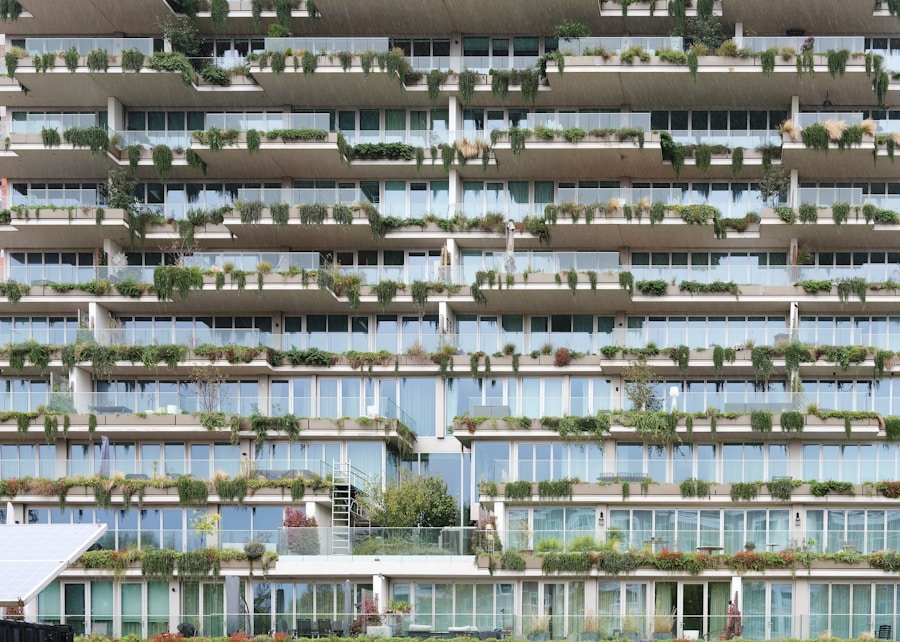
The growth of sustainable tourism has led to an increasing demand for accommodations that align with ecological principles. Tanger, a city experiencing significant development in its hospitality sector, is seeing a rise in boutique resorts that integrate environmental considerations. This article reviews and ranks several prominent establishments in Tanger based on their sustainability practices for the year 2025. It aims to provide an objective assessment for travelers prioritizing eco-conscious choices.
Understanding Eco-Chic in Tanger’s Boutique Resorts
The term “eco-chic” signifies a blend of environmental responsibility and sophisticated design. In the context of boutique resorts, this translates to properties that not only adopt sustainable practices but also offer a high level of comfort and aesthetic appeal. It is a nuanced balance, where luxury does not come at the expense of the planet.
Defining “Greenest” for This Ranking
For this ranking, “greenest” is determined by a comprehensive evaluation of several criteria. These include energy efficiency, water conservation, waste management, use of local and organic produce, support for local communities, and the resort’s overall commitment to minimizing its environmental footprint. Certifications from recognized bodies such as Green Globe or LEED also contribute to the assessment, acting as verifiable indicators of commitment.
The Scope of Our Evaluation
This article focuses on boutique resorts, generally defined as establishments with fewer than 100 rooms, offering personalized service and unique character. Large corporate hotels, while some may have sustainability initiatives, are generally excluded from this specific assessment due to their differing operational scales and business models.
Methodology for Ranking
The ranking process involved a multi-faceted approach. Data was collected through site visits, interviews with resort management, review of publicly available sustainability reports, and analysis of guest feedback pertaining to ecological practices. Each resort was assessed against a weighted scoring system, with greater emphasis placed on tangible reductions in resource consumption and verifiable positive community impact.
Energy Efficiency and Renewable Sources
A key metric in sustainability is energy consumption. Resorts were evaluated on their use of solar panels, efficient HVAC systems, LED lighting, smart thermostats, and overall energy reduction strategies. The percentage of energy derived from renewable sources was a significant factor.
Water Conservation Practices
Tanger is situated in a region where water resources are valuable. Resorts were assessed on their greywater recycling systems, low-flow fixtures, rainwater harvesting, drought-resistant landscaping, and linen reuse programs.
Waste Management and Recycling Initiatives
Effective waste management is crucial. The presence of comprehensive recycling programs for various materials, composting initiatives for organic waste, and efforts to minimize single-use plastics were central to this criterion.
Local Sourcing and Community Engagement
Supporting local economies and minimizing carbon emissions from transportation of goods are vital. Resorts were evaluated on their commitment to sourcing food and other supplies locally, employing local staff, and engaging in community development projects.
Tanger’s Leading Eco-Chic Boutique Resorts for 2025
Based on our assessment, the following resorts demonstrate exemplary commitment to sustainability while maintaining a high standard of luxury.
1. El Minzah Eco-Boutique (Projected Opening 2025)
While still under development, El Minzah Eco-Boutique is already making significant strides in its design and operational planning. It envisions itself as a paradigm of sustainable luxury in Tanger.
Design Philosophy and Materials
The resort’s architecture emphasizes local materials, including recycled terracotta and sustainably sourced wood. Its design integrates traditional Moroccan aesthetics with modern eco-friendly techniques. Large windows maximize natural light, reducing the need for artificial illumination during daylight hours.
Advanced Green Technologies
El Minzah Eco-Boutique plans to incorporate state-of-the-art green technologies, including a comprehensive solar energy system designed to meet a substantial portion of its power needs. Advanced water recycling plants will treat greywater for irrigation, further diminishing its reliance on municipal water supplies. Rainwater harvesting will also be a core component of its water management strategy.
Community Integration and Local Economy
The resort has committed to employing a significant percentage of its staff from the local community and is actively developing partnerships with local artisans and farmers to source all its produce and many of its amenities. This approach acts as a flywheel, generating economic benefits that reverberate throughout the surrounding areas.
2. Dar Gnaoua Garden Retreat
Dar Gnaoua Garden Retreat, an established boutique resort, has consistently demonstrated a commitment to environmental stewardship.
Permaculture Gardens and Organic Produce
The resort boasts extensive permaculture gardens, providing a significant portion of its fresh produce. Guests can experience farm-to-table dining and participate in educational workshops on sustainable gardening. This direct sourcing minimizes transport emissions and supports healthy ecosystems.
Energy and Water Conservation Initiatives
Dar Gnaoua has invested in solar water heating systems and low-energy lighting throughout the property. Its water conservation efforts include drip irrigation for its gardens and a towel reuse program in guest rooms. The resort actively monitors its energy and water consumption, continuously seeking areas for improvement.
Waste Reduction and Upcycling
A robust recycling program is in place, separating plastics, paper, and glass. The resort also engages in upcycling initiatives, transforming discarded materials into decorative elements or functional items within the property.
3. Villa Mabrouka Eco-Haven
Villa Mabrouka Eco-Haven distinguishes itself through its holistic approach to wellness and sustainability. It is a sanctuary where ecological principles are woven into the very fabric of the guest experience.
Sustainable Building Restoration
The villa, a historic property, underwent a meticulous restoration process that prioritized sustainable building practices. Original architectural elements were preserved, and eco-friendly paints and insulation materials were utilized. This approach minimized the environmental impact typically associated with new construction.
Biodynamic Farming and Culinary Excellence
The resort cultivates its own biodynamic garden, supplying the kitchen with fresh, organic ingredients. The culinary team emphasizes seasonal menus, reducing food waste and embracing the richness of local flavors. This commitment to fresh, locally sourced food acts as a beacon, guiding both the menu and the guest experience.
Ethical Sourcing and Artisan Support
Villa Mabrouka actively partners with local artisans to furnish its rooms and public spaces, ensuring ethical sourcing and supporting traditional craftsmanship. This commitment extends to the toiletries provided, which are often locally produced and packaged in environmentally friendly materials.
Future Outlook for Eco-Chic Tourism in Tanger
Tanger’s role as a burgeoning tourist destination means the demand for sustainable accommodations will only intensify. The resorts highlighted here are pioneers, setting a high standard for others to follow.
The Role of Certification Bodies
The increasing prominence of eco-certifications will play a vital role in validating the claims of resorts. As a traveler, looking for certifications from reputable organizations provides an extra layer of assurance regarding a resort’s environmental commitment. These labels act as a trusted compass, guiding choices in a sometimes murky landscape of greenwashing.
Guest Expectations and Industry Evolution
As guests become more informed and discerning, their expectations for sustainable practices will continue to evolve. Resorts that proactively address these expectations, moving beyond token gestures to implement genuine ecological initiatives, will gain a competitive edge. This is not merely a trend; it is a fundamental shift in the hospitality landscape, a tide that will reshape the industry.
Challenges and Opportunities
While the future is promising, challenges remain. These include securing consistent access to renewable energy, developing more efficient waste management infrastructure, and navigating the complexities of supply chains. However, these challenges also present opportunities for innovation and collaboration within the industry, fostering a collective movement towards a greener future for Tanger’s tourism sector. The stakes are high, but the potential rewards—both environmental and economic—are equally substantial.