
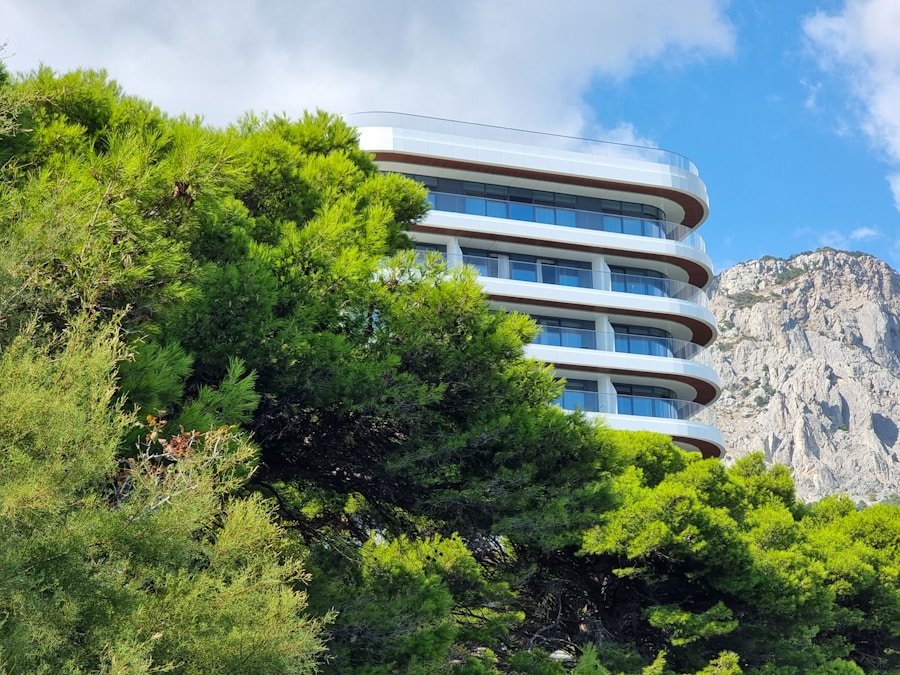
Dubai, a city often associated with rapid development and ambitious construction, has embarked on a deliberate journey towards environmental sustainability. This evolution, driven by a confluence of strategic planning, technological adoption, and a growing global awareness of climate change, positions Dubai as a case study for how a rapidly expanding urban center can integrate eco-friendly principles into its growth trajectory. The city’s transformation is not simply about adding green elements; it represents a fundamental recalibration of its development model, aiming to balance economic prosperity with ecological responsibility.
The Genesis of Green Ambitions
Dubai’s ascent to prominence was, for decades, defined by its focus on oil wealth and infrastructure development. However, as global discussions on climate change intensified, and the finite nature of fossil fuels became more apparent, a strategic shift began to take shape. This was not a sudden epiphany but a measured response to evolving global imperatives and a recognition of the long-term economic and social benefits of sustainability.
Historical Context of Development
The early days of Dubai’s modern development were characterized by a singular focus on economic diversification beyond oil. This necessitated massive investment in infrastructure, tourism, and real estate. The environmental considerations that are now foregrounded were largely secondary to the imperative of establishing the city as a global hub. This rapid growth, while economically successful, did create an environmental footprint that the city is now actively working to address.
The Catalyst for Change
Several factors converged to propel Dubai’s eco-friendly evolution. The UAE’s national commitment to sustainability, exemplified by initiatives like the UAE Vision 2021 and later the Net Zero by 2050 initiative, provided a high-level framework. Furthermore, the increasing impact of climate change, felt in regions like the Middle East through rising temperatures and water scarcity, underscored the urgency for action. The city also recognized that demonstrating environmental leadership could enhance its global reputation and attract sustainable investment.
Strategic Vision and Policy Framework
Dubai’s commitment to sustainability is deeply embedded in its strategic planning. The Dubai Plan 2021, and its successor, the Dubai Economic Agenda D33, explicitly incorporate environmental sustainability as a core pillar. This involves developing comprehensive policies and regulations that encourage the adoption of green technologies, promote renewable energy, and manage resource consumption.
Powering the Future: Renewable Energy Initiatives
A cornerstone of Dubai’s eco-friendly transformation lies in its ambitious renewable energy targets. The city is actively diversifying its energy portfolio, moving away from a heavy reliance on fossil fuels and embracing solar and other clean energy sources. This transition is not merely about meeting energy demands; it is about fundamentally altering the city’s energy infrastructure for a more sustainable future.
The Mohammed bin Rashid Al Maktoum Solar Park
The Mohammed bin Rashid Al Maktoum Solar Park is a flagship project in Dubai’s renewable energy drive. This massive solar complex is designed to be one of the largest single-site solar parks in the world, with a planned capacity of 5,000 megawatts by 2030. Its scale and continuous expansion underscore Dubai’s commitment to harnessing solar power as a primary energy source. The park utilizes advanced photovoltaic and concentrated solar power technologies to maximize energy generation.
Technological Advancements in Solar Capture
The choice of technology within the solar park reflects a commitment to innovation. The deployment of bifacial solar panels, which capture sunlight from both sides, and the integration of concentrated solar power (CSP) with thermal storage systems ensure a consistent and reliable energy supply, even after sunset. This technological sophistication is crucial for overcoming the intermittency often associated with solar power.
Diversification of Renewable Sources
While solar power is a dominant focus, Dubai is also exploring other renewable energy avenues. This includes investments in waste-to-energy plants, which convert municipal solid waste into electricity, thereby addressing both waste management and energy generation. The city also monitors developments in other clean energy technologies, such as wind power, though its geographical and climatic conditions make solar a more practical primary choice.
Policy Incentives and Grid Integration
To encourage the wider adoption of renewable energy, Dubai has implemented supportive policies. These include feed-in tariffs and net metering schemes that incentivize businesses and individuals to install solar power systems. Furthermore, significant investments have been made in upgrading the electricity grid to accommodate the increasing influx of renewable energy, ensuring stability and efficiency.
Sustainable Urban Development and Green Buildings
Beyond energy generation, Dubai is re-envisioning its urban landscape through the lens of sustainability. This involves promoting green building practices, enhancing public transportation, and developing green spaces within the city. The aim is to create an urban environment that is not only aesthetically pleasing but also environmentally responsible and resource-efficient.
The Dubai Green Building Code (Estidama)
The Dubai Municipality has implemented stringent Green Building Regulations and Specifications, often referred to as Estidama. These regulations mandate that new buildings achieve a minimum level of sustainability performance, covering aspects such as energy efficiency, water conservation, waste management, and material selection. This regulatory framework acts as a blueprint for the construction of eco-friendly structures.
Energy Efficiency Standards and Performance
Estidama promotes the integration of passive design strategies to reduce energy demand, such as optimizing building orientation for natural light and reducing heat gain. It also mandates the use of energy-efficient cooling systems, lighting, and appliances. Buildings are assessed on their performance, encouraging architects and developers to go beyond minimum requirements.
Water Conservation Measures
Water scarcity is a significant concern in arid regions, and Dubai’s green building initiatives place a strong emphasis on water conservation. This includes the use of low-flow fixtures, rainwater harvesting systems, and greywater recycling for irrigation and other non-potable uses. Drought-tolerant landscaping is also encouraged to reduce outdoor water consumption.
Enhancing Public Transportation and Mobility
A substantial driver of urban sustainability is the development of efficient and accessible public transportation systems. Dubai has invested heavily in its metro and tram networks, aiming to reduce reliance on private vehicles. The expansion of these networks and the promotion of ride-sharing services contribute to reduced traffic congestion and lower carbon emissions.
Green Infrastructure and Urban Planning
The integration of green infrastructure, such as parks, urban farms, and green roofs, is becoming increasingly common in Dubai’s urban planning. These elements help to mitigate the urban heat island effect, improve air quality, and provide ecological habitats. The development of shaded walkways and pedestrian-friendly areas also encourages sustainable modes of transport.
Water Security and Resource Management
In an arid climate, water management is paramount. Dubai’s sustainable evolution includes a robust strategy for ensuring water security through desalination, wastewater treatment, and efficient water usage. This multi-pronged approach aims to safeguard this precious resource for current and future generations.
Desalination with a Sustainable Lens
Dubai relies heavily on desalination for its fresh water supply. The city has been at the forefront of adopting more energy-efficient desalination technologies, such as reverse osmosis. Furthermore, efforts are underway to power these desalination plants with renewable energy sources, thereby reducing their carbon footprint.
Advanced Desalination Technologies
The pursuit of efficiency in desalination involves the adoption of advanced membrane technologies and process optimization. Research and development into less energy-intensive methods, such as membrane distillation and electrodialysis, are also being explored. The goal is to reduce the energy penalty associated with converting seawater into potable water.
Wastewater Treatment and Reuse
A significant component of Dubai’s water management strategy is the treatment and reuse of wastewater. Large-scale wastewater treatment plants ensure that treated effluent meets stringent environmental standards. This treated water is then utilized for irrigation of green spaces, cooling systems, and industrial purposes, significantly reducing the demand for potable water.
The Circular Economy of Water
The approach to wastewater management in Dubai is increasingly viewed through the lens of a circular economy. Treated wastewater is not seen as a waste product but as a valuable resource that can be reintegrated into the urban water cycle. This closed-loop system minimizes waste and maximizes resource utilization.
Smart Water Management Systems
The implementation of smart technologies is transforming water management. Advanced metering systems provide real-time data on water consumption, allowing for early detection of leaks and inefficient usage. This data-driven approach enables proactive management and optimization of the entire water network.
Waste Management and the Circular Economy
| Year | Renewable Energy Capacity (MW) | Green Spaces (sq km) | Waste Diverted from Landfill (tons) |
|---|---|---|---|
| 2010 | 50 | 20 | 100,000 |
| 2015 | 200 | 40 | 200,000 |
| 2020 | 500 | 60 | 300,000 |
The management of waste is a critical aspect of any city’s sustainability efforts. Dubai is actively transitioning from traditional landfill-based waste disposal towards more sustainable models, focusing on reduction, reuse, recycling, and waste-to-energy solutions, embodying principles of the circular economy.
Diversion from Landfills
A primary objective is to significantly reduce the amount of waste sent to landfills. This is being achieved through increased public awareness campaigns, improved waste segregation at source, and the development of advanced recycling facilities. The aim is to divert a substantial portion of waste from landfills, transforming it into valuable resources.
Recycling and Resource Recovery
Dubai is investing in state-of-the-art recycling infrastructure to process a wide range of materials, including plastics, paper, glass, and metals. These facilities employ advanced sorting technologies to maximize the recovery of recyclable materials, which are then used as feedstock for new products.
The Role of Extended Producer Responsibility
The concept of Extended Producer Responsibility (EPR) is gaining traction, which holds producers accountable for the end-of-life management of their products. This encourages the design of more sustainable products and promotes greater participation in recycling and take-back schemes.
Waste-to-Energy Initiatives
Waste-to-energy plants play a crucial role in Dubai’s waste management strategy. These facilities convert non-recyclable waste into electricity and heat, thereby reducing the volume of waste sent to landfills and generating clean energy. This approach addresses two significant urban challenges simultaneously.
Contributing to Energy Security
By converting waste into energy, Dubai is not only addressing environmental concerns but also contributing to its energy security. This diversified approach to energy generation reduces reliance on conventional fossil fuels and creates a more resilient energy system.
Embracing Innovation and Global Collaboration
Dubai’s eco-friendly evolution is not happening in isolation. The city actively embraces technological innovation and fosters global collaboration to advance its sustainability agenda. This forward-thinking approach allows Dubai to adopt cutting-edge solutions and learn from international best practices.
Smart City Initiatives and Sustainable Technologies
The integration of smart city technologies is fundamental to Dubai’s sustainability efforts. This includes the use of data analytics and artificial intelligence to optimize resource management, improve traffic flow, and enhance public services. The deployment of IoT devices across various sectors enables real-time monitoring and control of environmental parameters.
The Internet of Things (IoT) in Sustainability
IoT sensors are being deployed to monitor air quality, water usage, energy consumption, and waste levels. This data is then used to identify areas for improvement, optimize operational efficiency, and develop targeted sustainability interventions.
Research and Development in Green Technologies
Dubai is investing in research and development to drive innovation in green technologies. This includes supporting local and international research institutions and fostering a culture of innovation within the emirate. The focus is on developing solutions tailored to the specific environmental challenges and opportunities of the region.
International Partnerships and Knowledge Exchange
Dubai actively engages in international partnerships and knowledge exchange programs to share best practices and learn from global leaders in sustainability. This collaboration extends to participating in international forums, hosting global summits on sustainability, and forming alliances with organizations committed to environmental protection.
Learning from Global Examples
By studying and adapting successful sustainability models from other cities and countries, Dubai can accelerate its own progress. This involves understanding the successes and challenges faced by others, enabling Dubai to implement effective strategies and avoid potential pitfalls.
The Future Outlook: A Sustainable Metropolis
Dubai’s journey towards an eco-friendly future is an ongoing process. The city’s commitment to sustainability is not a static goal but a dynamic pursuit, continuously evolving with technological advancements and global environmental imperatives. As Dubai continues to expand, its integrated approach to sustainable development, combining ambitious renewable energy projects, green urban planning, responsible resource management, and a commitment to innovation, positions it as a potential model for other rapidly developing urban centers seeking to balance growth with environmental stewardship. The foundational shift from a resource-intensive model to one that prioritizes ecological balance is a complex undertaking, yet Dubai’s progress suggests a tangible pathway toward a more sustainable urban future.