
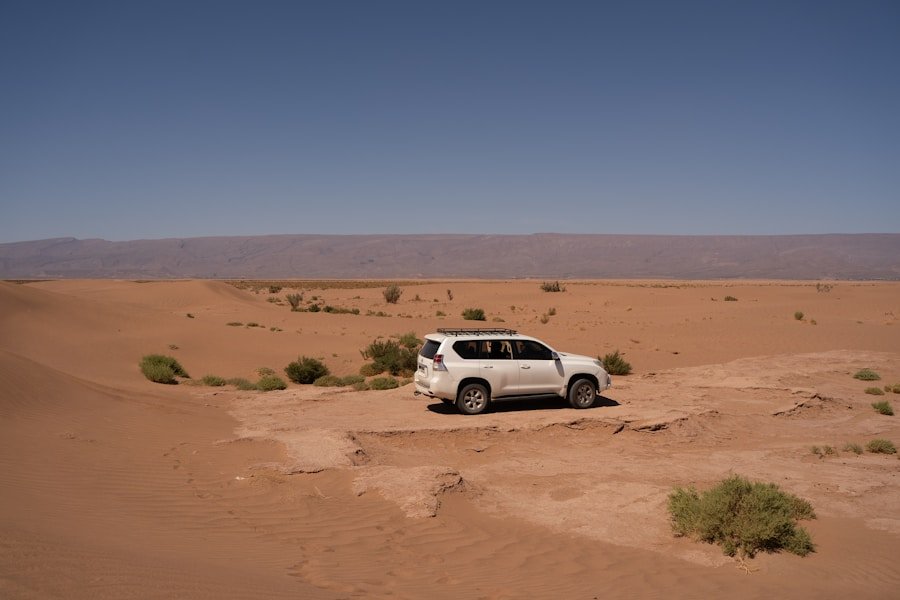
Dubai, a city often associated with modernity and luxury, is increasingly incorporating sustainability into its tourism offerings. This article outlines twenty eco-friendly experiences available in the emirate, catering to travelers seeking to minimize their environmental impact while engaging with local culture and natural environments.
Conservation and Wildlife Protection
Dubai has made efforts to establish protected areas and support wildlife conservation. These initiatives provide opportunities for visitors to observe and learn about local ecosystems.
Al Marmoom Desert Conservation Reserve
The Al Marmoom Desert Conservation Reserve is a protected area spanning 10% of Dubai’s total land area. It is free of fences and houses a variety of desert flora and fauna, including Arabian oryx, gazelles, and various bird species. The reserve also hosts the Al Qudra Lakes, a man-made oasis that attracts migratory birds. Activities here emphasize passive observation and minimal disturbance.
- Bird Watching: Opportunities exist to observe diverse avian species in their natural habitats, particularly around Al Qudra Lakes. Educational signage often provides information on local and migratory birds.
- Camel Riding: Some operators offer guided camel treks within the reserve, aiming to provide an authentic desert experience with a low environmental footprint. These are typically managed to ensure animal welfare and avoid over-tourism in specific areas.
- Stargazing: Due to limited light pollution, the reserve provides clear night skies for astronomical observation. Local initiatives sometimes organize guided stargazing sessions, combining astronomy with discussions on desert ecosystems.
Ras Al Khor Wildlife Sanctuary
Located close to the city, Ras Al Khor Wildlife Sanctuary is a wetland reserve known for its migratory bird populations, particularly Greater Flamingos. The sanctuary is managed by Dubai Municipality and provides hides for observation, ensuring minimal disturbance to the birds.
- Flamingo Observation: Designated viewing platforms allow visitors to observe large gatherings of Greater Flamingos throughout much of the year. Information boards detail the species and the sanctuary’s conservation efforts.
- Mangrove Ecosystems: The sanctuary also protects significant mangrove habitats, which act as natural filters and nurseries for marine life. Educational materials often highlight the ecological importance of these mangroves.
Dubai Desert Conservation Reserve (DDCR)
The DDCR is another protected area, established for the preservation of desert wildlife and ecosystems. Access is typically restricted to licensed tour operators who adhere to strict environmental guidelines.
- Wildlife Drives: Guided tours in 4×4 vehicles are conducted by trained naturalists. The focus is on spotting native wildlife such as Arabian oryx and gazelles, with an emphasis on respectful observation.
- Educational Encounters: Many tours incorporate educational components, explaining desert ecology, conservation challenges, and the cultural significance of the desert environment.
- Sustainable Desert Camps: Some operators within the DDCR offer overnight stays in eco-friendly camps. These facilities often employ solar power, minimize waste, and adhere to strict environmental protocols.
Sustainable Practices and Eco-Tourism Operations
Several businesses and initiatives in Dubai are integrating sustainable practices into their operations, offering eco-conscious alternatives for visitors.
Ecotourism in Hatta
The mountainous enclave of Hatta, a two-hour drive from Dubai, offers a contrast to the city’s urban environment. Hatta has been developed with a focus on preserving its natural landscape and promoting outdoor activities with minimal environmental impact.
- Kayaking in Hatta Dam: The serene waters of Hatta Dam are popular for kayaking and paddleboarding. These activities are non-motorized, reducing noise and air pollution. The area is managed to maintain water quality and prevent environmental degradation.
- Hatta Wadi Hub: This adventure center offers activities like mountain biking and hiking on designated trails. The trails are designed to minimize erosion and protect natural habitats. Equipment rental services often promote local employment.
- Hatta Heritage Village: A restored traditional village offers insight into Emirati heritage and local architectural styles. The emphasis is on preserving cultural assets and promoting local crafts without extensive commercialization.
Eco-Friendly Accommodation
The hospitality sector in Dubai is beginning to incorporate sustainable practices, from energy efficiency to waste reduction.
- Green-Certified Hotels: A growing number of hotels in Dubai are pursuing various green certifications, indicating adherence to environmental standards in areas such as energy consumption, water usage, and waste management.
- Boutique Eco-Lodges: Some smaller establishments are designed with sustainability at their core. These might feature passive cooling, local materials, and on-site waste treatment systems.
Promoting Local Culture and Heritage
Engaging with local culture and heritage can be an eco-friendly form of tourism, as it often supports local communities and promotes the preservation of intangible heritage.
Al Fahidi Historical Neighbourhood
This area, also known as Bastakiya, provides a glimpse into Dubai’s past with its traditional wind-tower architecture and narrow lanes. It emphasizes walking tours and supports local artisans.
- Walking Tours: Exploring Al Fahidi on foot reduces transportation emissions and allows for a more detailed appreciation of the architecture and cultural nuances.
- Cultural Demonstrations: Various institutions within the neighborhood, such as the Sheikh Mohammed Centre for Cultural Understanding, offer opportunities to learn about Emirati customs, cuisine, and traditions, often through direct interaction with locals.
- Art Galleries and Crafts: Several art galleries and craft shops showcase local and regional artistic talent, providing economic support to artists and promoting cultural expression.
Camel Racing at Al Marmoom
Camel racing is a traditional sport in the UAE. Attending a race provides insight into local heritage without involving extensive infrastructure or environmental disruption beyond the track itself.
- Spectator Experience: Observing a camel race offers a cultural experience, connecting visitors with a long-standing Emirati tradition. The events are typically conducted at designated facilities.
Traditional Souks
The Gold Souk, Spice Souk, and Textile Souk offer opportunities to purchase goods directly from local traders. This supports local economies and can reduce the carbon footprint associated with imported, mass-produced items.
- Local Produce and Goods: Shopping in the souks allows for the purchase of locally sourced spices, textiles, and crafts, minimizing transportation emissions associated with imported products.
- Haggling Culture: Engaging in traditional haggling is an interactive experience that fosters connection with local vendors.
Sustainable Transportation and Infrastructure
Dubai is investing in sustainable transportation options and urban planning initiatives that aim to reduce the city’s environmental footprint.
Dubai Metro
The Dubai Metro is an automated rail network that offers an efficient way to traverse the city, reducing reliance on private vehicles and subsequently lowering carbon emissions.
- Reduced Carbon Footprint: Utilizing public transport like the Metro significantly lowers individual carbon emissions compared to taxi or private car use.
- Extensive Network: The Metro covers many key attractions, making it a viable option for tourists.
Cycling and Walking Paths
Dubai has developed a network of cycling tracks and pedestrian pathways, encouraging active and emission-free forms of transport.
- Dedicated Cycling Tracks: Areas like Al Qudra and Nad Al Sheba have extensive cycling tracks, some offering bike rentals. These paths are designed to be separate from vehicle traffic, promoting safety and enjoyment.
- Pedestrian-Friendly Areas: Efforts are being made to create more walkable districts, enhancing urban livability and reducing short-distance car reliance.
Abra Rides on Dubai Creek
The traditional abra, a small wooden boat, offers a historical mode of transport across Dubai Creek. It is a low-emission option for short-distance travel and provides a scenic perspective of old Dubai.
- Low-Impact Transportation: Abras are powered by relatively small engines or motors, and some are transitioning to electric power, minimizing their environmental impact on the creek.
- Cultural Experience: The abra ride is a historical institution, offering a glimpse into the city’s past as a trading port.
Education and Green Initiatives
| Experience | Description | Location | Carbon Footprint |
|---|---|---|---|
| Desert Safari | Explore the desert in a sustainable way with eco-friendly tour operators | Dubai Desert Conservation Reserve | Low |
| Al Fahidi Historic District | Discover the heritage area with its wind towers and traditional architecture | Bur Dubai | Minimal |
| Alserkal Avenue | Visit the arts district known for its sustainable and innovative design | Al Quoz | Low |
| Green Planet | Explore the indoor rainforest with a focus on conservation and education | City Walk | Minimal |
| Al Marmoom Desert Conservation Reserve | Experience the untouched desert landscape and its wildlife | Al Marmoom | Low |
Dubai is also promoting environmental education and incorporating green initiatives into various aspects of urban life, providing visitors with opportunities to engage with these efforts.
Sustainable City and Mizar Eco-Centre
The Sustainable City is a residential development designed with sustainability principles. Its Eco-Centre educates visitors about various aspects of sustainable living.
- Renewable Energy Showcases: The Eco-Centre demonstrates advancements in renewable energy, waste management, and sustainable agriculture.
- Community Living: It provides an example of a self-sufficient community that prioritizes environmental stewardship.
Green Dubai Parks and Recreation
Dubai’s numerous parks and green spaces offer respite from the urban environment and are increasingly managed with sustainable practices.
- Recycling Programs: Many parks have implemented comprehensive recycling facilities and waste reduction initiatives.
- Water Conservation: Landscaping often incorporates drought-resistant plants and efficient irrigation systems.
Experiential Learning at The Green Planet
The Green Planet is an indoor tropical rainforest biome designed to educate visitors about biodiversity and rainforest ecosystems.
- Biodiversity Education: The facility houses a diverse range of plant and animal species, offering an immersive educational experience about ecological interdependencies.
- Conservation Awareness: Exhibits and interactive displays promote awareness of rainforest destruction and global conservation efforts.
Volunteering Opportunities
Organizations in Dubai occasionally offer opportunities for environmental volunteering, such as beach clean-ups or tree planting initiatives.
- Community Engagement: Participating in volunteer activities allows visitors to actively contribute to local environmental efforts.
- Direct Impact: These opportunities provide a hands-on way to make a tangible difference during a visit.
Renewable Energy Projects (Visuals)
While not direct ‘experiences’ in the traditional tourist sense, observing large-scale renewable energy projects, such as the Mohammed bin Rashid Al Maktoum Solar Park, offers a conceptual understanding of Dubai’s commitment to green energy.
- Observational Learning: While not typically open for public tours, the presence and scale of such projects are visible indicators of a shift towards sustainable infrastructure. Information about these projects is usually available through visitor centers or online.
Dubai’s offerings for the conscious traveler are expanding, demonstrating a move towards incorporating environmental responsibility into its tourism framework. These experiences provide avenues for visitors to engage with the city in a manner that respects its natural environment and cultural heritage.