
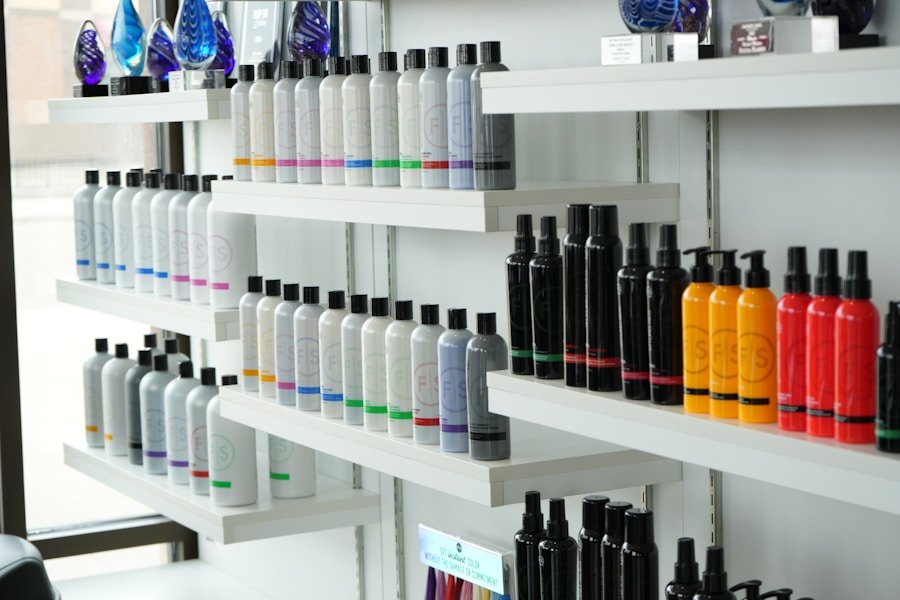
The South African cosmetic market has experienced significant growth in recent years, with a wide range of local and international brands competing for market share. The industry has been driven by a growing middle class, increasing urbanization, and a strong demand for beauty and personal care products. South Africa’s diverse population has also contributed to the growth of the cosmetic market, with different ethnic groups having unique beauty needs and preferences. The market is characterized by a wide range of products, including skincare, haircare, makeup, and fragrances, catering to a diverse consumer base. With the rise of social media and influencer marketing, the cosmetic market in South Africa has become increasingly competitive, with brands vying for the attention of consumers through innovative marketing strategies and product offerings.
Top 3 Fastest Growing Cosmetic Brands in South Africa
1. Nubian Beauty – Nubian Beauty is a South African brand that has gained popularity for its range of natural and organic skincare products. The brand has capitalized on the growing demand for clean beauty products, offering consumers a range of products free from harmful chemicals and artificial ingredients. Nubian Beauty has also leveraged social media to connect with its target audience, partnering with influencers and beauty bloggers to promote its products. With a focus on sustainability and ethical sourcing, Nubian Beauty has resonated with environmentally conscious consumers, contributing to its rapid growth in the South African cosmetic market.
2. Sorbet – Sorbet is a well-known South African beauty salon and skincare brand that has expanded its product offerings to include a range of skincare and body care products. The brand has gained a loyal following for its high-quality products at affordable prices, making it accessible to a wide range of consumers. Sorbet has also capitalized on the growing trend of self-care and wellness, offering consumers a range of products designed to pamper and rejuvenate the skin. With a strong presence in retail outlets and its own chain of beauty salons, Sorbet has become one of the fastest-growing cosmetic brands in South Africa.
3. Inglot – Inglot is an international cosmetics brand that has seen rapid growth in the South African market, offering consumers a wide range of high-quality makeup products. The brand has gained popularity for its extensive range of colors and finishes, catering to diverse skin tones and preferences. Inglot has also leveraged social media to connect with its target audience, partnering with influencers and makeup artists to showcase its products. With a focus on innovation and creativity, Inglot has become a favorite among makeup enthusiasts in South Africa, contributing to its rapid growth in the cosmetic market.
Factors Contributing to the Growth of Cosmetic Brands in South Africa
Several factors have contributed to the growth of cosmetic brands in South Africa, including the country’s growing middle class, increasing urbanization, and changing consumer preferences. As more South Africans have disposable income to spend on beauty and personal care products, the demand for cosmetics has increased significantly. Additionally, the rise of social media and influencer marketing has played a significant role in shaping consumer preferences and driving demand for new and innovative products. Brands that have been able to effectively leverage social media platforms to connect with their target audience have seen rapid growth in the South African cosmetic market.
Another factor contributing to the growth of cosmetic brands in South Africa is the increasing focus on natural and organic products. With growing awareness of the potential harmful effects of certain chemicals and artificial ingredients, consumers are seeking out clean beauty products that are free from harmful substances. This has created opportunities for brands that offer natural and organic skincare, haircare, and makeup products, catering to the demand for clean beauty in the South African market. Additionally, the diversity of South Africa’s population has also contributed to the growth of cosmetic brands, with different ethnic groups having unique beauty needs and preferences. Brands that have been able to cater to this diverse consumer base have seen success in the South African cosmetic market.
Popular Trends in the South African Cosmetic Industry
The South African cosmetic industry has seen several popular trends emerge in recent years, shaping consumer preferences and driving demand for new products. One of the most significant trends is the rise of clean beauty, with consumers seeking out natural and organic skincare, haircare, and makeup products that are free from harmful chemicals and artificial ingredients. This trend has been driven by growing awareness of the potential health risks associated with certain chemicals found in traditional beauty products, leading consumers to seek out cleaner alternatives. Brands that have been able to capitalize on this trend have seen rapid growth in the South African cosmetic market.
Another popular trend in the South African cosmetic industry is the focus on inclusivity and diversity. With a diverse population that includes people of different ethnicities and skin tones, there is a growing demand for beauty products that cater to a wide range of skin tones and preferences. Brands that have been able to offer inclusive product ranges, featuring diverse shades and formulations, have resonated with consumers seeking products that meet their specific needs. This trend has been driven by the rise of social media and influencer marketing, which has given a platform to diverse voices and perspectives within the beauty industry. As a result, brands that have embraced inclusivity and diversity have seen success in the South African cosmetic market.
Impact of Social Media on the Success of Cosmetic Brands in South Africa
Social media has had a significant impact on the success of cosmetic brands in South Africa, shaping consumer preferences and driving demand for new products. Platforms such as Instagram, YouTube, and TikTok have become key channels for brands to connect with their target audience, showcase their products, and engage with consumers. Influencer marketing has also played a significant role in shaping consumer preferences, with beauty influencers and bloggers promoting products to their followers and influencing purchasing decisions. Brands that have been able to effectively leverage social media platforms and partner with influencers have seen rapid growth in the South African cosmetic market.
One of the key ways that social media has impacted the success of cosmetic brands in South Africa is by creating a platform for diverse voices and perspectives within the beauty industry. Social media has given a voice to underrepresented groups and allowed them to share their experiences and preferences when it comes to beauty products. This has led to an increased demand for inclusive and diverse product ranges that cater to a wide range of skin tones and preferences. Brands that have been able to embrace inclusivity and diversity have resonated with consumers on social media, driving demand for their products and contributing to their success in the South African cosmetic market.
Challenges Faced by Cosmetic Brands in South Africa
Despite the growth of the cosmetic market in South Africa, brands face several challenges that impact their success in the industry. One of the key challenges is the competitive nature of the market, with both local and international brands vying for market share. This has led to an overcrowded market with numerous options for consumers, making it difficult for brands to stand out and differentiate themselves from competitors. Additionally, the rise of social media has made it easier for new brands to enter the market and gain visibility, further increasing competition within the industry.
Another challenge faced by cosmetic brands in South Africa is the impact of economic factors on consumer spending. With a fluctuating economy and rising living costs, consumers may have less disposable income to spend on beauty and personal care products. This can impact sales for cosmetic brands, particularly those offering higher-end or luxury products. Additionally, economic factors can also impact production costs for brands, making it more challenging to offer affordable products without compromising on quality.
Future Outlook for the South African Cosmetic Market
Looking ahead, the future outlook for the South African cosmetic market is positive, with continued growth expected in the coming years. The industry is expected to be driven by factors such as increasing urbanization, a growing middle class, and changing consumer preferences. As more South Africans have disposable income to spend on beauty and personal care products, the demand for cosmetics is expected to continue growing. Additionally, the rise of social media and influencer marketing is expected to play a significant role in shaping consumer preferences and driving demand for new and innovative products.
One key trend that is expected to shape the future of the South African cosmetic market is the continued focus on clean beauty and natural products. With growing awareness of the potential harmful effects of certain chemicals found in traditional beauty products, consumers are expected to seek out natural and organic alternatives. This presents opportunities for brands that offer clean beauty products free from harmful chemicals and artificial ingredients. Additionally, inclusivity and diversity are expected to remain important factors shaping consumer preferences in the South African cosmetic market, with demand for inclusive product ranges catering to diverse skin tones and preferences.
In conclusion, the South African cosmetic market has experienced significant growth in recent years, driven by factors such as increasing urbanization, a growing middle class, changing consumer preferences, and the rise of social media. The industry is characterized by a wide range of local and international brands competing for market share across various product categories such as skincare, haircare, makeup, and fragrances. While brands face challenges such as competition and economic factors impacting consumer spending, the future outlook for the South African cosmetic market is positive, with continued growth expected driven by factors such as increasing urbanization, changing consumer preferences, and the rise of social media influencing purchasing decisions. As trends such as clean beauty, inclusivity, and diversity continue to shape consumer preferences in the industry, brands that are able to effectively leverage these trends are expected to see success in the South African cosmetic market.