
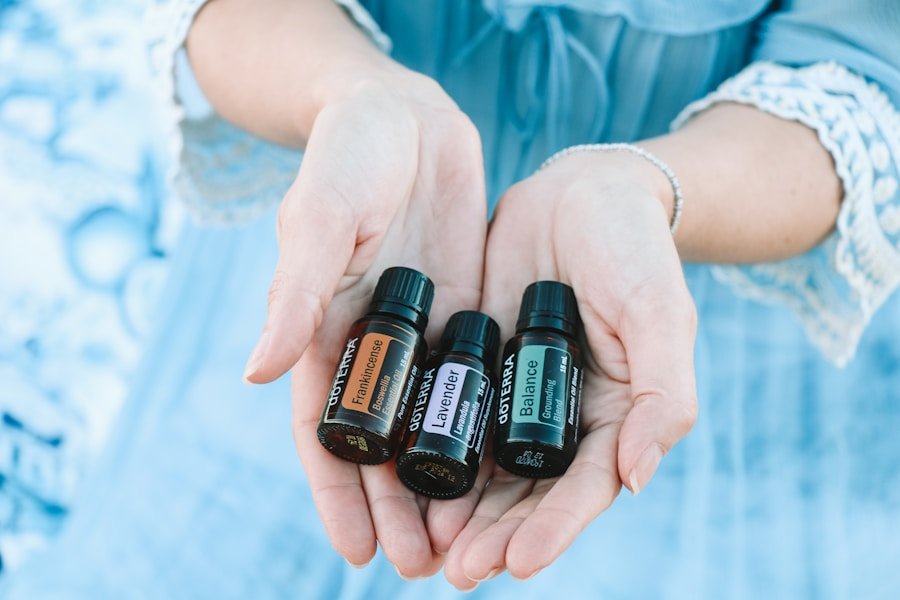
Designing Your Aromatherapy Space
This article provides practical guidance for establishing an effective aromatherapy space. It focuses on the foundational elements of design and infrastructure that support the therapeutic use of essential oils. The goal is to create an environment conducive to relaxation, well-being, and the intended benefits of aromatherapy.
Understanding the Core Principles of Aromatherapy Space Design
The design of an aromatherapy space is not merely about aesthetics; it is about creating a functional environment that enhances the efficacy of essential oils. Like a sculptor choosing their materials, you must select elements that work in harmony with scent.
The Purpose of Your Aromatherapy Space
Before embarking on design, clearly define the primary purpose of your space. Is it for personal relaxation, meditation, therapeutic treatments, or a combination? This initial assessment will dictate material choices, layout, and the desired atmosphere.
Identifying Primary Use Cases
- Personal Relaxation: Focus on comfort, tranquility, and elements that promote stress reduction.
- Meditation and Mindfulness: Emphasize simplicity, a lack of visual distraction, and a calm sensory experience.
- Therapeutic Treatments: Prioritize hygiene, ease of cleaning, and the ability to control environmental factors like temperature and humidity.
- Shared Spaces: Consider the needs and preferences of multiple users, balancing individual preferences with overall harmony.
The Sensory Landscape: Beyond Scent
While scent is central to aromatherapy, a holistic approach considers all senses. The environment should be a symphony that supports, rather than overwhelms, the olfactory experience.
Visual Elements
The visual aspect of a space influences mood and perception. Colors, lighting, and the presence of natural elements all play a role.
Color Psychology and Influence
- Calming Hues: Blues, greens, and soft neutrals are often associated with tranquility and peace. These colors can create a serene backdrop for aromatherapy.
- Energizing Tones: Warmer colors like yellows and oranges can be used sparingly to promote upliftment, but should be balanced to avoid overstimulation.
- Neutral Foundations: Whites, grays, and beiges provide a versatile canvas, allowing the aromatherapy experience itself to take center stage.
Lighting Strategies
- Natural Light: Maximizing natural light can promote a sense of well-being and connection to the outdoors.
- Artificial Lighting: Opt for dimmable lights to control intensity. Warm, soft light sources are generally preferred over harsh, cool lighting. Consider accent lighting to highlight specific features or plants.
- Candlelight: While a traditional element, ensure proper ventilation and safety precautions when using candles, as they can alter air quality.
Auditory Considerations
Sound can either enhance or detract from an aromatherapy experience. The goal is to create a soundscape that promotes relaxation.
Creating a Peaceful Sound Environment
- Minimizing External Noise: Employ soundproofing techniques if external noise is a significant issue. This might involve thicker curtains, double-glazed windows, or acoustic panels.
- Incorporating Ambient Sounds: Gentle, nature-inspired sounds (e.g., rain, ocean waves, forest sounds) can create a calming background. Consider white noise or gentle instrumental music.
- Silence as a Tool: In some cases, complete silence can be the most effective auditory backdrop, allowing the aromatherapy to be the primary sensory focus.
Tactile Elements and Comfort
The texture of surfaces and the comfort of furnishings contribute to the overall sensory experience.
Material Selection for Tactile Appeal
- Soft Furnishings: Plush rugs, comfortable seating, and soft throws can enhance a sense of comfort and security.
- Natural Textures: Wood, stone, and natural fibers offer organic textures that can ground the space and create a connection to nature.
- Smooth Surfaces: Clean, smooth surfaces like polished wood or natural stone can contribute to a sense of order and calm.
Infrastructure for Effective Aromatherapy Diffusion
The infrastructure of your space directly impacts how essential oils are diffused and experienced. It is the underlying framework that supports the diffusion process.
Ventilation and Air Quality Management
Proper ventilation is paramount for both the effective dispersal of essential oils and the overall health of the occupants. It’s the lungs of your aromatherapy space.
Ensuring Adequate Air Exchange
- Natural Ventilation: Opening windows and doors regularly for fresh air circulation. This is often the most straightforward and cost-effective method.
- Mechanical Ventilation: Employing exhaust fans or air exchange systems to ensure continuous airflow. This is particularly important in enclosed spaces or areas with limited natural access.
- Air Filtration: Using air purifiers with HEPA filters can remove allergens and particulate matter, creating a cleaner canvas for essential oil diffusion.
Managing Humidity Levels
Ideal humidity levels can enhance the diffusion of essential oils and contribute to personal comfort.
Optimal Humidity Ranges
- Comfort Zone: Generally, a relative humidity between 40% and 60% is considered comfortable and conducive to effective aromatherapy.
- Humidifiers and Dehumidifiers: Utilize these appliances to maintain the desired humidity level. Adjustments may be necessary based on climate and season.
- Monitoring Tools: Consider a hygrometer to accurately measure humidity levels.
Material Selection for Minimal Scent Retention
The materials used in your space can either absorb or repel scents. Careful selection ensures that scents do not linger excessively or mix in undesirable ways.
Porous vs. Non-Porous Surfaces
- Non-Porous Materials: Opt for materials like glass, stainless steel, ceramic, and sealed wood for surfaces that come into direct contact with essential oils or diffusers. These materials are easy to clean and do not retain odors.
- Controlling Porous Materials: If porous materials like unsealed wood, fabric, or carpet are present, consider the potential for scent absorption. Implement strategies for deep cleaning or use protective coverings in areas where diffusers are used.
Ease of Cleaning and Maintenance
An aromatherapy space should be easy to maintain to ensure hygiene and prevent the build-up of residual oils.
Establishing Cleaning Protocols
- Regular Wipe-Downs: Frequently clean surfaces and diffusers with appropriate natural cleaning solutions.
- Deep Cleaning: Periodically perform deeper cleaning of fabrics and other absorbent materials.
- Ventilation During Cleaning: Ensure good ventilation when using cleaning agents to avoid overwhelming the space.
Lighting Systems for Enhanced Atmosphere
Lighting plays a crucial role in setting the mood and can amplify the effects of aromatherapy. It acts as the dimmer switch for emotional response.
Types of Lighting and Their Applications
- Ambient Lighting: Provides general illumination for the space. Dimmable options allow for adjustment to suit the desired mood.
- Task Lighting: Focused lighting for specific activities, such as reading or performing a massage.
- Accent Lighting: Used to highlight decorative elements, plants, or architectural features, adding depth and visual interest.
Controlling Light Intensity and Color Temperature
- Dimmer Switches: Essential for controlling the intensity of artificial light, allowing for gradual adjustments from bright to subdued.
- Color Temperature Adjustment: Some modern lighting systems offer adjustable color temperature, allowing for a shift from cooler, more energizing light to warmer, more relaxing tones.
- Natural Light Management: Utilize blinds, curtains, or window films to control the amount and intensity of natural light entering the space.
Furniture and Layout: Facilitating Flow and Comfort
| Aspect | Metrics |
|---|---|
| Room Size | Recommended minimum of 100 square feet for a small space |
| Lighting | Soft, natural light is preferred for creating a calming atmosphere |
| Essential Oils | Selection of high-quality essential oils for different moods and purposes |
| Diffuser | Properly functioning diffuser to disperse the essential oils evenly |
| Furniture | Comfortable seating and storage for essential oils and accessories |
The arrangement of furniture and the overall layout of the space are critical for both functionality and the creation of a peaceful atmosphere. It is the choreography of your space.
Ergonomics and Comfort in Seating
- Supportive Seating: Choose chairs, couches, or floor cushions that provide adequate support for relaxation and extended periods of use.
- Material Considerations: Opt for breathable fabrics that are comfortable against the skin and do not retain excessive heat or moisture.
Strategic Placement of Diffusers and Seating Areas
- Diffuser Placement: Position diffusers in a way that allows for optimal scent dispersal throughout the space without being directly in the path of natural airflow that might quickly dissipate the scent.
- Creating Zones: Divide the space into functional zones for different activities (e.g., a relaxation corner, a meditation area).
- Circulation Pathways: Ensure clear and unobstructed pathways for movement within the space.
Incorporating Natural Elements
- Plants: Introduce indoor plants for their aesthetic appeal, air-purifying qualities, and connection to nature.
- Natural Materials: Utilize furniture and decor made from wood, bamboo, or other natural materials to enhance the grounding effect of the space.
Sound and Acoustics: The Invisible Infrastructure
In an aromatherapy space, sound is as much a part of the infrastructure as the walls and ceiling. Managing acoustics is about precision tuning.
Soundproofing Strategies
- Acoustic Panels: Install wall and ceiling panels specifically designed to absorb sound and reduce echoes.
- Soft Furnishings: Rugs, curtains, and upholstered furniture can all help to absorb sound.
- Layered Textiles: Using multiple layers of fabric, such as thick curtains over sheer ones, can further dampen sound.
Incorporating Sound Elements for Relaxation
- Sound Machines: Utilize devices that produce nature sounds, white noise, or gentle ambient music.
- Natural Sound Integration: If possible, incorporate sounds from nature, such as a small water feature, provided it does not become a distracting noise.
- Music Selection: Choose instrumental music or nature-inspired soundscapes that are calming and non-intrusive. Avoid music with lyrics or complex rhythms.
Essential Oil Storage and Safety
Proper storage of essential oils is crucial for maintaining their potency and ensuring safety. It is akin to safeguarding precious elements.
Ideal Storage Conditions
- Dark Glass Bottles: Store essential oils in dark glass bottles (amber or cobalt blue) to protect them from light, which can degrade their quality.
- Cool, Dry Environment: Keep oils in a cool, dry place, away from direct sunlight and heat sources. A dedicated cabinet or drawer in a less-used room is often suitable.
- Airtight Seals: Ensure all bottles are tightly sealed to prevent oxidation and evaporation.
Safety Precautions
- Child and Pet Safety: Store essential oils out of reach of children and pets. Many oils can be harmful if ingested or applied improperly.
- Proper Labeling: Clearly label all bottles with the name of the oil, purity, and date of purchase or dilution.
- Dilution Guidelines: Always follow recommended dilution guidelines for topical application, as many essential oils can cause skin irritation if used neat.
- Ventilation During Use: Ensure adequate ventilation when diffusing essential oils, especially in smaller or enclosed spaces.
Conclusion: A Harmonious Blend of Form and Function
Creating an effective aromatherapy space involves a thoughtful integration of design principles and practical infrastructure. By focusing on ventilation, material selection, lighting, layout, acoustics, and proper storage, you can establish an environment that maximizes the therapeutic benefits of essential oils. The aim is to build a sanctuary where the senses are addressed holistically, promoting well-being and a profound sense of calm. Your space should be a carefully constructed stage, not for performance, but for peace.