
Circular energy is a concept that revolves around the idea of creating a sustainable and self-sufficient energy system that mimics the natural cycles of the earth. It is based on the principles of circular economy, which aims to minimize waste and make the most of resources by reusing, recycling, and regenerating them. In the context of energy, circular energy seeks to harness renewable sources such as solar, wind, biomass, and geothermal energy to create a closed-loop system that minimizes environmental impact and maximizes efficiency. This concept is in stark contrast to the traditional linear energy model, which relies heavily on finite resources and produces a significant amount of waste and pollution. Circular energy is not only about generating clean energy, but also about creating a holistic approach to energy production and consumption that takes into account the entire lifecycle of energy resources.
Circular energy systems are designed to be regenerative, meaning that they are able to replenish and renew themselves over time. This is achieved through the use of renewable energy sources that are naturally replenished, such as sunlight, wind, and heat from the earth. By harnessing these sources, circular energy systems can generate power without depleting finite resources or producing harmful emissions. In addition, circular energy systems are designed to minimize waste by reusing and recycling materials, as well as by capturing and storing excess energy for later use. This approach not only reduces the environmental impact of energy production, but also creates a more resilient and reliable energy system that is less vulnerable to disruptions and shortages.
The Benefits of Harnessing Renewables for Sustainable Systems
The shift towards circular energy systems that harness renewable sources has numerous benefits for both the environment and society as a whole. One of the most significant benefits is the reduction of greenhouse gas emissions and other pollutants that are associated with traditional energy production. By relying on renewable sources such as solar, wind, biomass, and geothermal energy, circular energy systems can significantly reduce the carbon footprint of energy production, which is crucial for mitigating climate change and improving air quality. In addition, renewable energy sources are abundant and widely distributed, which means that they can provide a reliable and secure source of power for communities around the world.
Another key benefit of harnessing renewables for sustainable systems is the potential for economic growth and job creation. The renewable energy sector has been growing rapidly in recent years, creating new opportunities for employment and investment in clean energy technologies. By transitioning towards circular energy systems that rely on renewables, countries can stimulate economic development while also reducing their dependence on imported fossil fuels. This can lead to greater energy security and stability, as well as a more diverse and resilient energy infrastructure. Furthermore, by investing in renewable energy technologies, countries can position themselves as leaders in the global transition towards a more sustainable and low-carbon future.
The Role of Solar Power in Circular Energy
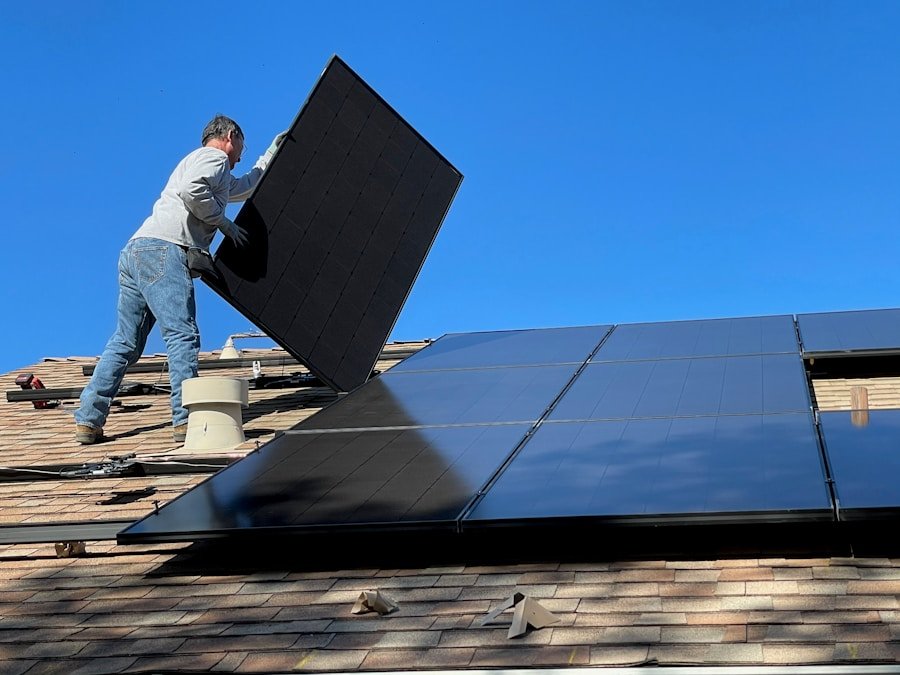
Solar power plays a crucial role in circular energy systems due to its abundance, reliability, and versatility. Solar energy is harnessed through photovoltaic (PV) panels, which convert sunlight into electricity without producing any emissions or pollutants. This makes solar power an ideal source of clean energy for circular energy systems, as it can be deployed on a wide range of scales, from individual homes to large-scale solar farms. In addition, solar power can be integrated into existing infrastructure such as buildings and urban areas, making it a highly flexible and accessible source of renewable energy.
One of the key advantages of solar power in circular energy systems is its ability to generate electricity at the point of use. This means that solar panels can be installed on rooftops or in other locations where electricity is needed, reducing the need for long-distance transmission lines and minimizing energy losses. In addition, solar power can be combined with energy storage technologies such as batteries to store excess electricity for use during periods of low sunlight. This allows solar power to provide a reliable and consistent source of electricity, even when the sun is not shining. As a result, solar power has the potential to play a central role in creating self-sufficient and resilient circular energy systems that are less reliant on centralized power plants and fossil fuels.
The Importance of Wind Energy in Circular Energy Systems
Wind energy is another key component of circular energy systems due to its abundance, scalability, and cost-effectiveness. Wind power is harnessed through wind turbines, which convert the kinetic energy of the wind into electricity without producing any emissions or pollutants. This makes wind energy an attractive source of clean power for circular energy systems, as it can be deployed in a wide range of locations, from remote rural areas to offshore wind farms. In addition, wind power has a high capacity factor, meaning that it can generate electricity consistently over time, making it a reliable and predictable source of renewable energy.
One of the key advantages of wind energy in circular energy systems is its ability to complement other renewable sources such as solar power. Wind turbines can generate electricity at times when solar panels may be less productive, such as during periods of low sunlight or at night. This allows wind power to provide a consistent and reliable source of electricity that can help balance out fluctuations in solar power generation. In addition, wind power can be integrated into existing infrastructure such as power grids, making it a highly flexible and adaptable source of renewable energy. As a result, wind energy has the potential to play a critical role in creating resilient and diverse circular energy systems that are less vulnerable to disruptions and shortages.
The Integration of Biomass and Geothermal Energy in Circular Energy
In addition to solar and wind power, biomass and geothermal energy also play important roles in circular energy systems due to their reliability, versatility, and potential for local resource utilization. Biomass energy is derived from organic materials such as wood, agricultural residues, and waste products, which can be converted into heat, electricity, or biofuels through processes such as combustion, gasification, or anaerobic digestion. This makes biomass an attractive source of renewable energy for circular energy systems, as it can be produced locally and used to provide heat and power for a wide range of applications. In addition, biomass can be used to produce biofuels for transportation, making it a versatile and sustainable alternative to fossil fuels.
Geothermal energy is another important component of circular energy systems due to its reliability and consistency. Geothermal power is harnessed from heat stored beneath the earth’s surface, which can be used to generate electricity or provide direct heating for buildings and industrial processes. This makes geothermal energy an attractive source of clean power for circular energy systems, as it can provide a reliable and consistent source of heat and electricity without producing any emissions or pollutants. In addition, geothermal power plants have a high capacity factor, meaning that they can generate electricity consistently over time, making them a reliable and predictable source of renewable energy.
The Impact of Circular Energy on Climate Change
Circular energy has the potential to have a significant impact on climate change by reducing greenhouse gas emissions and other pollutants associated with traditional energy production. By harnessing renewable sources such as solar, wind, biomass, and geothermal energy, circular energy systems can significantly reduce the carbon footprint of energy production, which is crucial for mitigating climate change and improving air quality. In addition, circular energy systems are designed to minimize waste by reusing and recycling materials, as well as by capturing and storing excess energy for later use. This approach not only reduces the environmental impact of energy production but also creates a more resilient and reliable energy system that is less vulnerable to disruptions and shortages.
Furthermore, by transitioning towards circular energy systems that rely on renewables, countries can stimulate economic development while also reducing their dependence on imported fossil fuels. This can lead to greater energy security and stability as well as a more diverse and resilient energy infrastructure. Additionally, by investing in renewable energy technologies, countries can position themselves as leaders in the global transition towards a more sustainable and low-carbon future.
The Future of Circular Energy: Innovations and Advancements
The future of circular energy looks promising with ongoing innovations and advancements in renewable technologies. One area of focus is on improving the efficiency and cost-effectiveness of solar panels through advancements in materials science and manufacturing processes. Researchers are working on developing new materials such as perovskite-based solar cells that have the potential to significantly increase the efficiency of solar panels while reducing their production costs. In addition, advancements in battery storage technologies are making it possible to store excess solar power for use during periods of low sunlight or at night.
Another area of innovation is in the development of next-generation wind turbines that are larger, more efficient, and capable of generating more electricity at lower costs. Researchers are working on improving the design and materials used in wind turbines to increase their capacity factors while reducing their environmental impact. In addition, advancements in offshore wind technology are making it possible to harness wind power from vast expanses of ocean where winds are stronger and more consistent.
Furthermore, advancements in biomass conversion technologies are making it possible to produce biofuels from a wider range of feedstocks while reducing their environmental impact. Researchers are working on developing new processes such as thermochemical conversion and algae-based biofuels that have the potential to significantly increase the sustainability and versatility of biomass as a renewable fuel source.
In conclusion, circular energy represents a paradigm shift in how we produce and consume energy by harnessing renewable sources in a sustainable and self-sufficient manner. By transitioning towards circular energy systems that rely on renewables such as solar, wind, biomass, and geothermal energy, countries can significantly reduce their carbon footprint while stimulating economic growth and job creation. The future of circular energy looks promising with ongoing innovations and advancements in renewable technologies that have the potential to further improve the efficiency and cost-effectiveness of clean energy sources. As we continue to invest in circular energy systems, we have the opportunity to create a more sustainable and resilient future for generations to come.