
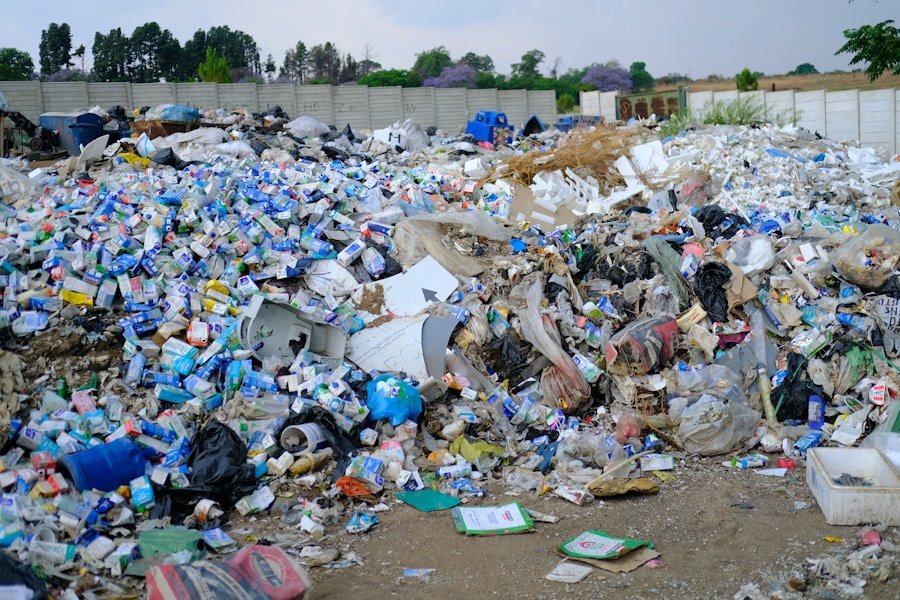
The concept of circular cities is gaining traction as urban areas around the world grapple with the challenges of sustainability and environmental impact. Circular cities are those that aim to minimize waste and maximize the use of resources through a closed-loop system, where materials and products are reused, repurposed, and recycled. This approach is in stark contrast to the linear model of consumption and disposal that has dominated urban development for decades. Circular cities prioritize the reduction of waste, the promotion of renewable energy, and the preservation of natural resources, all while fostering economic growth and social well-being.
Amsterdam’s Approach to Urban Sustainability
Amsterdam has emerged as a global leader in urban sustainability, with a strong commitment to the principles of circularity. The city has implemented a range of innovative policies and initiatives aimed at reducing waste, promoting renewable energy, and creating a more sustainable urban environment. From sustainable transportation to green spaces and biodiversity, Amsterdam has made significant strides in building a circular city that prioritizes the well-being of its residents and the health of the planet.
Circular Economy in Amsterdam
Amsterdam has embraced the concept of a circular economy, where resources are used and reused in a closed-loop system. The city has implemented a range of policies and initiatives aimed at reducing waste and promoting the reuse and recycling of materials. For example, Amsterdam has established a network of “resource hubs” where businesses can exchange materials and products, reducing the need for new resources and minimizing waste. Additionally, the city has invested in infrastructure for recycling and composting, making it easier for residents and businesses to minimize their environmental impact.
Amsterdam’s commitment to a circular economy is evident in its efforts to promote sustainable consumption and production. The city has implemented policies to encourage businesses to adopt circular business models, such as leasing products instead of selling them, or using recycled materials in their production processes. By promoting a circular economy, Amsterdam is not only reducing its environmental impact but also creating new economic opportunities and fostering innovation.
Sustainable Transportation in Amsterdam
Amsterdam is renowned for its sustainable transportation infrastructure, which prioritizes walking, cycling, and public transit over private car use. The city has invested heavily in cycling infrastructure, with an extensive network of bike lanes and bike parking facilities. This has not only reduced traffic congestion and air pollution but also promoted physical activity and improved public health. In addition to cycling, Amsterdam has an efficient public transit system that includes trams, buses, and ferries, providing residents with convenient and sustainable options for getting around the city.
Amsterdam’s approach to sustainable transportation extends beyond infrastructure to include policies aimed at reducing car use and promoting alternative modes of transportation. The city has implemented measures such as car-free zones, congestion pricing, and parking restrictions to discourage private car use and encourage sustainable alternatives. These efforts have not only reduced emissions and improved air quality but also contributed to a more livable urban environment.
Green Spaces and Biodiversity in Amsterdam
Amsterdam is home to a wealth of green spaces, including parks, gardens, and natural areas that contribute to the city’s biodiversity and provide residents with opportunities for recreation and relaxation. The city has made significant investments in preserving and enhancing its green spaces, recognizing their importance for ecological health, climate resilience, and quality of life. From the iconic Vondelpark to the expansive Amsterdamse Bos, these green spaces play a crucial role in maintaining the city’s biodiversity and providing residents with access to nature.
In addition to traditional parks and gardens, Amsterdam has also implemented innovative green infrastructure projects aimed at enhancing biodiversity and promoting ecological resilience. For example, the city has created “green corridors” that connect natural areas and provide habitat for wildlife, as well as “green roofs” that support plant life and reduce urban heat island effects. These initiatives not only contribute to the city’s biodiversity but also help mitigate the impacts of climate change and improve the overall urban environment.
Waste Management and Recycling in Amsterdam
Amsterdam has implemented a range of policies and initiatives aimed at reducing waste and promoting recycling. The city has established an extensive network of recycling facilities, making it easy for residents to dispose of their waste in an environmentally responsible manner. In addition to traditional recycling programs for paper, glass, and plastic, Amsterdam has also implemented innovative initiatives such as food waste composting and textile recycling, further reducing the amount of waste sent to landfills.
Amsterdam’s commitment to waste management extends beyond recycling to include measures aimed at reducing overall waste generation. The city has implemented policies to promote sustainable consumption and production, such as bans on single-use plastics and incentives for businesses to minimize packaging waste. Additionally, Amsterdam has invested in public education campaigns aimed at raising awareness about waste reduction and encouraging residents to adopt more sustainable behaviors.
Lessons for Other Cities
Amsterdam’s approach to urban sustainability offers valuable lessons for other cities seeking to build more resilient, livable, and environmentally friendly urban environments. From its commitment to circularity and sustainable transportation to its investments in green spaces and waste management, Amsterdam has demonstrated that it is possible to create a more sustainable city that prioritizes the well-being of its residents and the health of the planet. By learning from Amsterdam’s successes and challenges, other cities can work towards building more sustainable urban environments that benefit both people and the planet.