
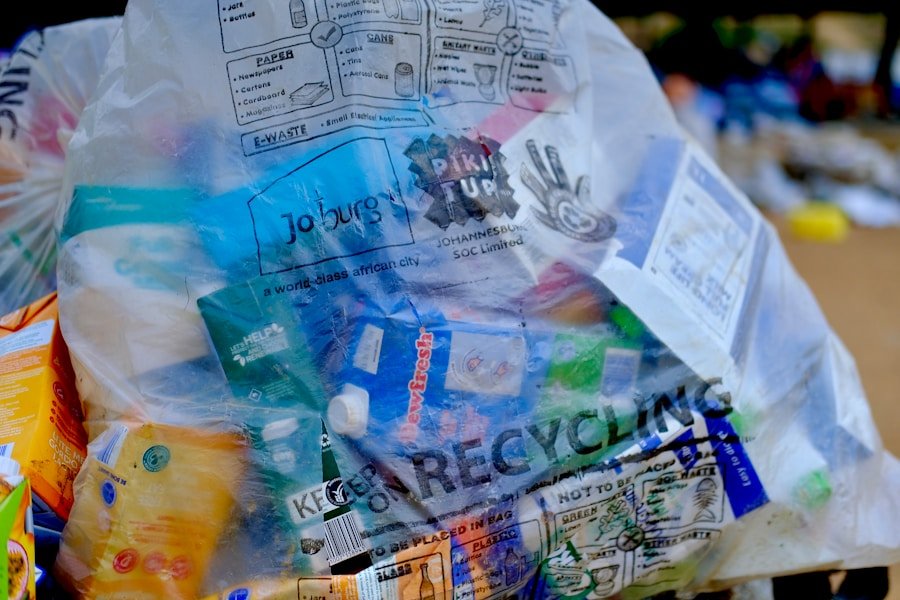
Circular certification is a relatively new concept in India, but it is gaining traction as businesses and consumers become more aware of the environmental impact of their actions. Circular certification is a process by which businesses can demonstrate their commitment to sustainable and circular business practices. This includes reducing waste, reusing materials, and recycling products to create a closed-loop system that minimizes the use of new resources. In India, circular certification is becoming increasingly important as the country grapples with environmental challenges such as air and water pollution, deforestation, and waste management. By adopting circular certification, businesses can not only reduce their environmental impact but also improve their reputation and appeal to environmentally conscious consumers.
Circular certification is not only beneficial for the environment but also for businesses themselves. By adopting circular practices, businesses can reduce their operational costs, improve their supply chain resilience, and create new revenue streams through the sale of recycled materials. This can lead to increased profitability and long-term sustainability for businesses in India. As circular certification becomes more widely recognized and adopted in India, it has the potential to transform the way businesses operate and contribute to a more sustainable future for the country.
The Importance of Sustainable Business Practices
Sustainable business practices are essential for the long-term success of businesses in India. As the country continues to grow and develop, the demand for resources is increasing, putting a strain on the environment. Sustainable business practices aim to minimize this strain by reducing waste, conserving resources, and minimizing environmental impact. This not only benefits the environment but also helps businesses reduce costs, improve efficiency, and enhance their reputation among consumers and stakeholders.
In India, sustainable business practices are becoming increasingly important as the country faces environmental challenges such as air and water pollution, deforestation, and waste management. By adopting sustainable practices, businesses can play a crucial role in addressing these challenges and contributing to a more sustainable future for the country. Additionally, as consumers become more environmentally conscious, they are increasingly seeking out businesses that demonstrate a commitment to sustainability. This can give businesses a competitive edge in the market and attract a loyal customer base. Overall, sustainable business practices are essential for the long-term success and viability of businesses in India.
Overview of Circular Certification and its Criteria
Circular certification is a process by which businesses can demonstrate their commitment to sustainable and circular business practices. To achieve circular certification, businesses must meet certain criteria that demonstrate their adherence to circular principles. These criteria typically include reducing waste, reusing materials, and recycling products to create a closed-loop system that minimizes the use of new resources. Businesses must also demonstrate transparency in their operations and supply chain, as well as a commitment to continuous improvement in their circular practices.
Circular certification is often awarded by independent third-party organizations that assess businesses based on their adherence to these criteria. Once certified, businesses can use the circular certification label to showcase their commitment to sustainability and appeal to environmentally conscious consumers. In India, circular certification is still in its early stages, but it is expected to become increasingly important as businesses seek to differentiate themselves in the market and demonstrate their commitment to sustainability.
Case Studies of 25 Companies Leading the Way in Circular Certification
There are several companies in India that are leading the way in circular certification and demonstrating the benefits of sustainable business practices. One such company is Tata Steel, which has implemented a number of initiatives to reduce waste and improve resource efficiency. The company has invested in technologies that enable it to recycle steel scrap and reduce its reliance on virgin materials. This has not only reduced the company’s environmental impact but also improved its operational efficiency and reduced costs.
Another company leading the way in circular certification is ITC Limited, which has implemented a number of initiatives to reduce waste and promote sustainable agriculture. The company has introduced innovative packaging solutions that use recycled materials and has implemented sustainable farming practices to reduce its environmental impact. These initiatives have not only improved ITC Limited’s sustainability credentials but also enhanced its reputation among consumers and stakeholders.
Challenges and Opportunities in Adopting Circular Certification
While circular certification offers numerous benefits for businesses in India, there are also challenges that must be overcome. One of the main challenges is the lack of awareness and understanding of circular principles among businesses. Many companies in India are still focused on traditional linear business models that prioritize the use of new resources over recycling and reuse. This mindset must be shifted in order for circular certification to become more widely adopted.
Additionally, there are logistical challenges associated with implementing circular practices, such as sourcing recycled materials and establishing closed-loop systems. This requires investment in new technologies and infrastructure, which can be a barrier for some businesses. However, there are also numerous opportunities associated with adopting circular certification. Businesses that embrace circular principles can reduce their operational costs, improve their supply chain resilience, and create new revenue streams through the sale of recycled materials. This can lead to increased profitability and long-term sustainability for businesses in India.
The Future of Circular Certification in India
The future of circular certification in India looks promising as more businesses recognize the benefits of sustainable and circular business practices. As consumer awareness of environmental issues grows, there is increasing demand for products and services that demonstrate a commitment to sustainability. This presents an opportunity for businesses to differentiate themselves in the market and appeal to environmentally conscious consumers through circular certification.
Additionally, the Indian government is taking steps to promote sustainable business practices through initiatives such as the National Mission on Sustainable Agriculture and the Swachh Bharat Abhiyan (Clean India Mission). These initiatives aim to promote sustainable agriculture, reduce waste, and improve environmental hygiene across the country. As these initiatives gain momentum, they are likely to create a supportive environment for businesses seeking to adopt circular certification.
The Impact of Circular Certification on Sustainable Success
In conclusion, circular certification has the potential to transform the way businesses operate in India and contribute to a more sustainable future for the country. By adopting circular principles, businesses can reduce their environmental impact, improve their operational efficiency, and appeal to environmentally conscious consumers. While there are challenges associated with adopting circular certification, there are also numerous opportunities for businesses that embrace sustainable practices.
As circular certification becomes more widely recognized and adopted in India, it has the potential to create a more sustainable economy that minimizes waste and conserves resources. This will not only benefit the environment but also lead to increased profitability and long-term success for businesses in India. Overall, circular certification is an important step towards creating a more sustainable future for India and ensuring the long-term viability of businesses in the country.