
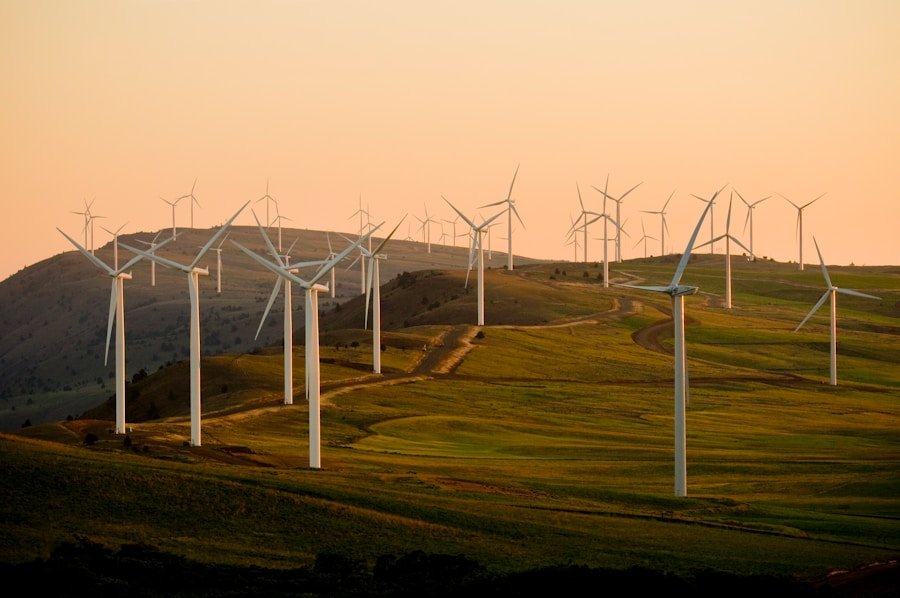
In today’s digital age, businesses are increasingly aware of the impact their online presence has on the environment. As a result, many companies are taking steps to make their web operations more eco-friendly. This includes everything from sustainable web hosting and design to using renewable energy for web servers and implementing paperless digital marketing strategies. In this article, we will explore several case studies of companies that have successfully implemented eco-friendly practices into their web presence, and examine the lessons learned and future trends in sustainable web operations.
Case Study 1: Company A’s Sustainable Web Hosting and Design
Company A, a leading e-commerce retailer, has made significant strides in making their web presence more sustainable. They have partnered with a web hosting provider that uses renewable energy to power their servers, reducing their carbon footprint significantly. In addition, Company A has implemented a clean and minimalist web design that not only enhances user experience but also reduces the energy consumption of their website. By optimizing images and using efficient coding practices, they have been able to decrease the load time of their website, further reducing energy usage. Overall, Company A’s commitment to sustainable web hosting and design has not only benefited the environment but has also improved the performance of their website.
Company A’s approach to sustainable web hosting and design serves as a model for other businesses looking to make their online presence more eco-friendly. By partnering with green web hosting providers and implementing efficient web design practices, companies can significantly reduce their environmental impact while also improving the user experience of their website. This case study demonstrates that sustainable web operations are not only beneficial for the environment but can also lead to cost savings and improved performance.
Case Study 2: Company B’s Carbon-Neutral Website Operations
Company B, a global technology company, has taken a proactive approach to reducing their carbon footprint from their website operations. They have invested in carbon offset programs to neutralize the emissions generated from their web servers and data centers. Additionally, Company B has implemented energy-efficient practices such as server virtualization and cooling optimization to further reduce their environmental impact. By taking these measures, Company B has been able to achieve carbon-neutral website operations, demonstrating their commitment to sustainability.
Company B’s dedication to achieving carbon-neutral website operations sets a high standard for other businesses in the technology industry. By investing in carbon offset programs and implementing energy-efficient practices, companies can significantly reduce the environmental impact of their web operations. This case study highlights the importance of taking proactive measures to address the environmental impact of website operations and serves as an example for other businesses to follow.
Case Study 3: Company C’s Use of Renewable Energy for Web Servers
Company C, a leading web hosting provider, has made a significant investment in renewable energy for their web servers. They have partnered with renewable energy providers to power their data centers with clean energy, significantly reducing their carbon footprint. In addition, Company C has implemented energy-efficient cooling systems and server technologies to further minimize their environmental impact. By using renewable energy for their web servers, Company C has demonstrated their commitment to sustainability and set a positive example for the web hosting industry.
Company C’s use of renewable energy for their web servers showcases the potential for the web hosting industry to make a positive impact on the environment. By investing in clean energy and implementing energy-efficient technologies, companies can significantly reduce the carbon footprint of their web operations. This case study highlights the importance of prioritizing sustainability in the web hosting industry and serves as a model for other companies looking to make their web presence more eco-friendly.
Case Study 4: Company D’s Paperless Digital Marketing Strategies
Company D, a marketing agency, has embraced paperless digital marketing strategies to reduce their environmental impact. They have transitioned from traditional print marketing materials to digital platforms, significantly reducing paper waste and energy consumption. Additionally, Company D has implemented email marketing campaigns and social media advertising to reach their target audience in a more sustainable way. By adopting paperless digital marketing strategies, Company D has not only reduced their environmental impact but has also improved the efficiency and effectiveness of their marketing efforts.
Company D’s adoption of paperless digital marketing strategies demonstrates the potential for businesses to make their marketing efforts more sustainable. By transitioning from traditional print materials to digital platforms, companies can significantly reduce paper waste and energy consumption while reaching a wider audience. This case study highlights the importance of embracing digital marketing strategies as a means of reducing environmental impact and improving overall efficiency.
Case Study 5: Company E’s Eco-Friendly E-Commerce Platform
Company E, an e-commerce platform, has made significant efforts to make their online marketplace more eco-friendly. They have implemented sustainable packaging options for their products and have partnered with shipping providers that prioritize environmental sustainability. Additionally, Company E has launched initiatives to offset the carbon emissions generated from shipping and delivery processes. By making these changes, Company E has demonstrated their commitment to sustainability and has set a positive example for the e-commerce industry.
Company E’s dedication to creating an eco-friendly e-commerce platform serves as a model for other businesses in the industry. By implementing sustainable packaging options and partnering with environmentally conscious shipping providers, companies can significantly reduce the environmental impact of their e-commerce operations. This case study showcases the potential for e-commerce platforms to prioritize sustainability and sets a high standard for others to follow.
Lessons Learned and Future Trends in Sustainable Web Presence
The case studies presented in this article demonstrate the potential for businesses to make their web presence more eco-friendly through sustainable practices. From sustainable web hosting and design to carbon-neutral website operations and renewable energy use, companies have shown that it is possible to reduce the environmental impact of online operations while improving performance and efficiency. As businesses continue to prioritize sustainability, future trends in sustainable web presence are likely to include increased investment in renewable energy, carbon offset programs, and paperless digital marketing strategies.
Moving forward, it is essential for businesses to prioritize sustainability in their web operations and take proactive measures to reduce their environmental impact. By learning from the examples set by companies such as Company A, Company B, Company C, Company D, and Company E, businesses can make significant strides in creating a more eco-friendly web presence. As technology continues to evolve, it is crucial for businesses to embrace sustainable practices and lead the way towards a more environmentally conscious digital future.