
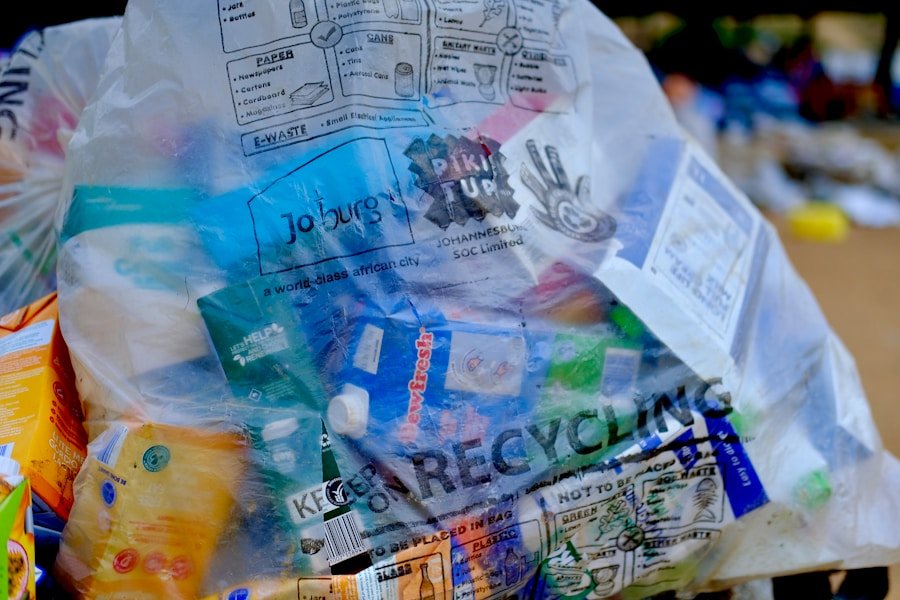
Circular certification is a process that evaluates and certifies businesses based on their commitment to sustainability and circular economy principles. The circular economy is an economic system aimed at eliminating waste and promoting the continual use of resources. Circular certification assesses a company’s efforts to reduce waste, reuse materials, and recycle products, as well as their overall environmental impact. This certification is becoming increasingly important as consumers and stakeholders demand more sustainable practices from businesses. By obtaining circular certification, companies can demonstrate their dedication to environmental responsibility and gain a competitive edge in the market.
Circular certification is typically awarded by independent organizations that specialize in sustainability and environmental management. These organizations evaluate businesses based on specific criteria related to their resource management, waste reduction, and overall environmental impact. Companies that meet these criteria are awarded circular certification, which can be used to showcase their commitment to sustainability to customers, investors, and other stakeholders. Circular certification is not only a way for businesses to demonstrate their environmental responsibility, but it also provides a framework for continuous improvement and innovation in sustainable practices.
The Benefits of Circular Certification for Businesses
Circular certification offers numerous benefits for businesses that go beyond simply meeting environmental standards. Firstly, obtaining circular certification can enhance a company’s reputation and brand image. In today’s market, consumers are increasingly conscious of the environmental impact of the products and services they purchase. By obtaining circular certification, businesses can differentiate themselves from competitors and attract environmentally conscious consumers who prioritize sustainability. This can lead to increased customer loyalty and a stronger market position.
Additionally, circular certification can also open up new business opportunities for companies. Many government agencies, non-profit organizations, and large corporations are prioritizing partnerships with sustainable businesses. By obtaining circular certification, companies can access new markets and partnerships that prioritize sustainability. This can lead to increased sales, new business opportunities, and a more diverse customer base. Furthermore, circular certification can also help businesses reduce their operational costs by promoting more efficient use of resources and reducing waste. Overall, circular certification offers a wide range of benefits for businesses that go beyond simply meeting environmental standards.
How Circular Certification Can Reduce Costs
Circular certification can help businesses reduce costs in several ways. Firstly, by promoting more efficient use of resources, companies can minimize waste and lower their production costs. For example, by implementing circular economy principles such as reusing materials and recycling products, businesses can reduce the need for raw materials and lower their production costs. Additionally, circular certification can also help companies identify areas where they can improve resource efficiency and reduce waste in their operations. By implementing these improvements, businesses can lower their operational costs and increase their overall profitability.
Furthermore, circular certification can also help businesses reduce their waste management costs. By implementing sustainable practices and reducing waste generation, companies can lower their waste disposal costs and minimize their environmental impact. This can lead to significant cost savings for businesses, especially those in industries with high waste generation. Overall, circular certification offers businesses the opportunity to reduce their costs by promoting more efficient use of resources and minimizing waste generation.
The Role of Circular Certification in Promoting Sustainability
Circular certification plays a crucial role in promoting sustainability within the business world. By evaluating and certifying companies based on their commitment to sustainability and circular economy principles, circular certification encourages businesses to prioritize environmental responsibility in their operations. This not only benefits the environment but also promotes a more sustainable and resilient economy. Circular certification provides a framework for businesses to assess their environmental impact and implement sustainable practices that reduce waste, conserve resources, and minimize their overall environmental footprint.
Furthermore, circular certification also helps raise awareness about the importance of sustainability among businesses and consumers. By showcasing the efforts of certified companies to promote sustainability, circular certification can inspire other businesses to follow suit and adopt more sustainable practices. This can lead to a widespread shift towards more sustainable business practices across various industries. Additionally, circular certification can also help drive innovation in sustainable technologies and practices by providing incentives for businesses to develop more environmentally friendly solutions. Overall, circular certification plays a crucial role in promoting sustainability within the business world by encouraging companies to prioritize environmental responsibility and driving innovation in sustainable practices.
Implementing Circular Certification in Your Business
Implementing circular certification in your business involves several key steps. Firstly, it’s important to assess your current operations and identify areas where you can improve resource efficiency and reduce waste generation. This may involve conducting a thorough audit of your production processes, supply chain, and waste management practices to identify opportunities for improvement. Once you have identified areas for improvement, you can begin implementing sustainable practices that align with circular economy principles.
Next, you will need to seek out a reputable organization that offers circular certification services. It’s important to choose an organization that has a strong track record in sustainability and environmental management to ensure that your certification is credible and recognized by stakeholders. Once you have selected an organization, you will need to undergo an evaluation process to assess your company’s commitment to sustainability and circular economy principles. This may involve providing documentation of your sustainable practices, undergoing site visits, and participating in interviews with the certifying organization.
Once you have obtained circular certification, it’s important to showcase your commitment to sustainability to customers, investors, and other stakeholders. This may involve incorporating the circular certification logo into your marketing materials, updating your website with information about your sustainable practices, and communicating your commitment to sustainability through various channels. Additionally, it’s important to continue improving your sustainable practices even after obtaining circular certification to maintain your commitment to environmental responsibility.
Case Studies: Successful Businesses Utilizing Circular Certification
Several successful businesses have utilized circular certification to enhance their sustainability efforts and gain a competitive edge in the market. One notable example is Interface, a global flooring company that has been a leader in sustainable business practices for decades. Interface has obtained multiple certifications related to sustainability and circular economy principles, including Cradle to Cradle certification for several of its products. By showcasing its commitment to sustainability through certifications, Interface has been able to attract environmentally conscious customers and differentiate itself from competitors.
Another example is Patagonia, an outdoor apparel company known for its strong commitment to environmental responsibility. Patagonia has obtained various certifications related to sustainability and ethical business practices, including Fair Trade certification for many of its products. By obtaining these certifications, Patagonia has been able to build a strong brand image as a socially responsible company and attract customers who prioritize ethical and sustainable products.
The Future of Circular Certification and Its Impact on the Business World
The future of circular certification looks promising as more businesses recognize the importance of sustainability and environmental responsibility. As consumer demand for sustainable products continues to grow, businesses will increasingly prioritize obtaining circular certification as a way to differentiate themselves from competitors and attract environmentally conscious customers. This will lead to a widespread shift towards more sustainable business practices across various industries.
Furthermore, the impact of circular certification on the business world will extend beyond individual companies. As more businesses obtain circular certification and prioritize sustainability in their operations, this will drive innovation in sustainable technologies and practices. This will lead to the development of new solutions that promote resource efficiency, reduce waste generation, and minimize environmental impact across various industries.
Overall, the future of circular certification looks promising as it continues to drive positive change within the business world by encouraging companies to prioritize environmental responsibility and driving innovation in sustainable practices. As more businesses recognize the benefits of obtaining circular certification, we can expect to see a widespread shift towards more sustainable business practices that benefit both the environment and the economy.