
Biophilic design is a concept that focuses on incorporating natural elements and patterns into the built environment in order to create spaces that are not only aesthetically pleasing, but also promote health and well-being. The term “biophilia” was first coined by biologist Edward O. Wilson in the 1980s, and refers to the innate human connection to nature. Biophilic design seeks to harness this connection by integrating elements such as natural light, vegetation, and natural materials into the design of buildings and interiors.
The importance of biophilic design lies in its ability to improve the overall quality of life for those who inhabit the spaces. Research has shown that exposure to nature and natural elements can have a positive impact on mental and physical health, reducing stress, increasing productivity, and promoting a sense of well-being. By incorporating biophilic design principles into our built environment, we can create spaces that not only look beautiful, but also support the health and happiness of the people who use them.
Assessing Your Workspace: Identifying Opportunities for Biophilic Design
When assessing your workspace for opportunities to incorporate biophilic design, it’s important to consider the existing layout, architecture, and natural surroundings. Look for ways to bring in natural elements such as plants, water features, and natural materials. Consider how natural light enters the space and how it can be maximized to create a more inviting and healthy environment. Additionally, assess the ventilation and air quality in the space, and consider ways to improve it through biophilic design principles.
Take note of any areas that feel disconnected from nature, and brainstorm ways to bring the outdoors in. Consider the use of natural textures, colors, and patterns to create a sense of connection to the natural world. By carefully assessing your workspace and identifying opportunities for biophilic design, you can begin to create a plan for incorporating these principles into your environment.
Incorporating Natural Elements: Bringing the Outdoors In
One of the key principles of biophilic design is the incorporation of natural elements into the built environment. This can be achieved through the use of natural materials such as wood, stone, and bamboo, as well as through the inclusion of water features, living walls, and indoor plants. By bringing these elements into the workspace, you can create a more inviting and calming environment that promotes health and well-being.
Consider incorporating natural materials into the design of furniture, finishes, and accessories in the space. Look for opportunities to use sustainable materials that have been responsibly sourced and produced. Additionally, consider ways to bring in water features such as fountains or indoor ponds, which can create a sense of tranquility and connection to nature. By incorporating these natural elements into the workspace, you can create a more harmonious and healthy environment for those who use it.
Maximizing Natural Light and Ventilation: Enhancing the Indoor Environment
Another important aspect of biophilic design is the maximization of natural light and ventilation in the indoor environment. Natural light has been shown to have a positive impact on mood, productivity, and overall well-being. When assessing your workspace for opportunities to incorporate biophilic design, consider ways to maximize natural light by removing barriers such as heavy curtains or blinds, and by strategically placing workstations near windows.
In addition to maximizing natural light, it’s important to consider ways to improve ventilation and air quality in the space. This can be achieved through the use of operable windows, air purifying plants, and natural ventilation systems. By enhancing the indoor environment with natural light and ventilation, you can create a healthier and more pleasant workspace for those who use it.
Choosing Sustainable Materials: Selecting Eco-Friendly Furnishings and Finishes
Incorporating sustainable materials into the design of your workspace is an important aspect of biophilic design. Look for furnishings and finishes that have been made from responsibly sourced materials, such as FSC-certified wood, recycled metals, and low-VOC paints and finishes. By choosing eco-friendly materials, you can reduce the environmental impact of your workspace while creating a healthier indoor environment for those who use it.
Consider using natural materials such as cork, bamboo, and wool in the design of furniture and finishes. These materials not only have a lower environmental impact than traditional materials, but they also bring a sense of warmth and texture to the space. Additionally, look for opportunities to repurpose or upcycle existing materials in the space, such as reclaimed wood or vintage furniture. By choosing sustainable materials for your workspace, you can create a more environmentally friendly and healthy environment for all who use it.
Adding Greenery: Introducing Plants and Living Walls
One of the most effective ways to incorporate biophilic design into your workspace is by adding greenery in the form of plants and living walls. Research has shown that exposure to plants can have a positive impact on mental and physical health, reducing stress, improving air quality, and increasing productivity. By introducing plants into the workspace, you can create a more inviting and calming environment that promotes well-being.
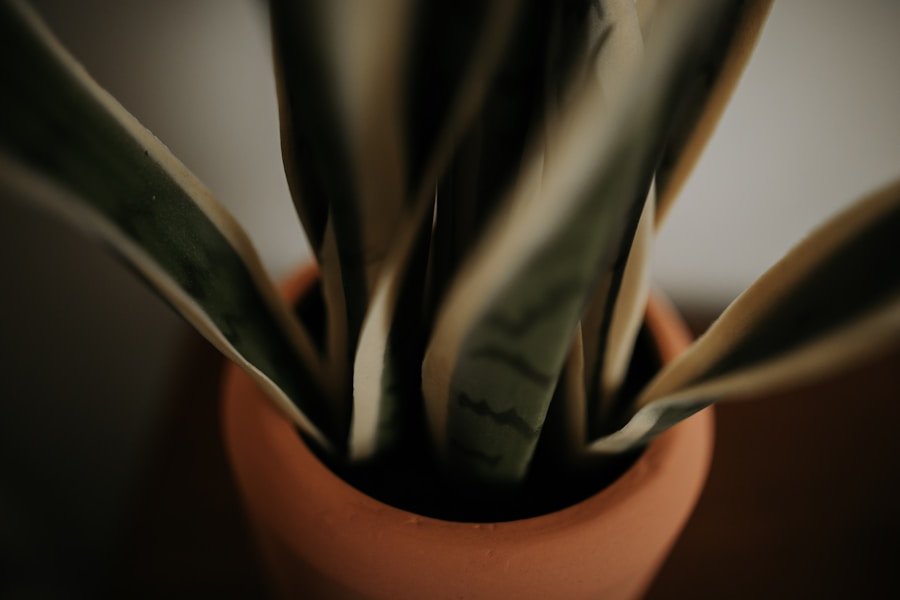
Consider incorporating a variety of plant types into the space, including air purifying plants such as snake plants, peace lilies, and spider plants. Additionally, consider creating living walls or vertical gardens using a variety of plant species. These living walls not only bring a sense of nature into the space, but they also provide additional benefits such as sound absorption and improved air quality. By adding greenery to your workspace, you can create a more vibrant and healthy environment for all who use it.
Maintaining a Healthy and Sustainable Workspace: Tips for Long-Term Success
Once you have incorporated biophilic design principles into your workspace, it’s important to maintain a healthy and sustainable environment for the long term. This can be achieved through regular maintenance of plants and living walls, as well as through ongoing efforts to improve air quality and natural light in the space. Consider implementing a regular cleaning schedule for plants and living walls, as well as investing in air purifying systems to improve indoor air quality.
Additionally, consider ways to reduce energy consumption in the space through the use of energy-efficient lighting and appliances. Look for opportunities to reduce waste through recycling programs and sustainable purchasing practices. By maintaining a healthy and sustainable workspace over the long term, you can continue to reap the benefits of biophilic design while reducing your environmental impact.
In conclusion, biophilic design offers a holistic approach to creating healthy and sustainable workspaces that promote well-being for those who use them. By understanding the principles of biophilic design and assessing your workspace for opportunities to incorporate these principles, you can create a more inviting and healthy environment that supports productivity and happiness. Through the incorporation of natural elements, sustainable materials, greenery, and ongoing maintenance practices, you can create a workspace that not only looks beautiful but also supports the health of both people and the planet.