
Biomimicry, also known as biomimetics, is the practice of emulating nature’s designs and processes to solve human problems. This concept has been around for centuries, with early examples including the invention of the airplane, which was inspired by the flight of birds, and the development of Velcro, which was inspired by the way burrs stick to clothing. Today, biomimicry is gaining traction as a sustainable and innovative approach to product design and innovation. By studying and imitating nature’s solutions, designers and engineers can create products that are more efficient, sustainable, and resilient.
Biomimicry is based on the idea that nature has already solved many of the challenges that humans face, and by looking to nature for inspiration, we can find innovative solutions to our own problems. This approach is not only environmentally friendly, but it also has the potential to revolutionize the way we design and manufacture products. By harnessing the power of nature’s designs and processes, biomimicry has the potential to drive innovation across a wide range of industries, from architecture and transportation to medicine and consumer goods.
Examples of Biomimicry in Product Innovation
There are numerous examples of biomimicry in product innovation that demonstrate the potential of this approach to revolutionize the way we design and manufacture products. One notable example is the development of Velcro, which was inspired by the way burrs stick to clothing. The Swiss engineer George de Mestral observed how burrs attached themselves to his dog’s fur and realized that this natural mechanism could be used to create a new type of fastener. By studying the structure of burrs under a microscope, de Mestral was able to develop Velcro, a hook-and-loop fastening system that has since been used in a wide range of products, from clothing and shoes to aerospace applications.
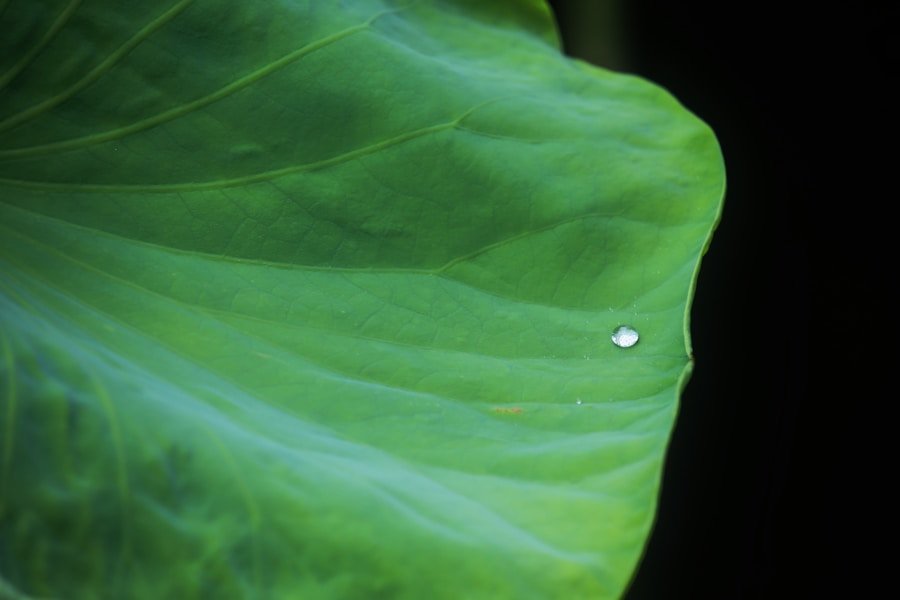
Another example of biomimicry in product innovation is the development of self-cleaning surfaces inspired by the lotus leaf. The lotus leaf has a unique microstructure that repels water and prevents dirt from sticking to its surface. By studying the lotus leaf’s structure, researchers have been able to develop self-cleaning coatings for a variety of surfaces, including glass, metal, and plastic. These coatings have the potential to revolutionize industries such as architecture, automotive, and consumer electronics by reducing the need for cleaning and maintenance.
The Process of Biomimicry
The process of biomimicry involves several key steps, starting with observation and analysis of natural systems and culminating in the development of innovative products and technologies. The first step in the process is to identify a specific challenge or problem that needs to be addressed. This could be anything from improving the efficiency of a manufacturing process to developing a new type of material with specific properties.
Once a challenge has been identified, the next step is to study and observe natural systems that have already solved similar problems. This may involve conducting field research, studying biological specimens, or collaborating with experts in fields such as biology, ecology, and materials science. By understanding how nature has solved similar challenges, designers and engineers can gain valuable insights that can be applied to their own work.
After studying natural systems, the next step is to translate these insights into innovative products and technologies. This may involve developing new materials, processes, or designs that are inspired by nature’s solutions. Throughout this process, it is important to consider not only the technical feasibility of the solution but also its environmental impact and potential for scalability.
Benefits of Biomimicry in Product Innovation
There are numerous benefits of using biomimicry in product innovation, including environmental sustainability, improved performance, and increased resilience. By emulating nature’s designs and processes, designers and engineers can create products that are more efficient and sustainable. For example, by studying how plants capture and store energy through photosynthesis, researchers have developed new solar cell designs that are more efficient and cost-effective than traditional photovoltaic cells.
In addition to environmental benefits, biomimicry can also lead to products with improved performance and functionality. By studying how animals move and interact with their environment, researchers have developed new types of robotics and prosthetics that mimic natural movements and behaviors. These innovations have the potential to revolutionize industries such as healthcare, manufacturing, and transportation by creating products that are more intuitive and adaptable.
Furthermore, biomimicry can also lead to products that are more resilient and adaptable to changing conditions. By studying how organisms adapt to their environment, researchers have developed new materials and structures that are more durable and responsive to external stimuli. These innovations have the potential to improve the resilience of infrastructure, buildings, and consumer goods, leading to products that are better able to withstand natural disasters and other environmental challenges.
Challenges and Limitations of Biomimicry
While biomimicry offers numerous benefits for product innovation, there are also several challenges and limitations that need to be considered. One of the main challenges is the complexity of natural systems, which can make it difficult to translate biological insights into practical applications. Nature’s solutions are often the result of millions of years of evolution and are optimized for specific environmental conditions, making it challenging to replicate these designs in a human-made context.
Another challenge is the need for interdisciplinary collaboration and expertise. Biomimicry requires collaboration between designers, engineers, biologists, ecologists, and materials scientists, among others. This interdisciplinary approach can be challenging to coordinate and may require significant investment in training and education.
Furthermore, there are also ethical considerations that need to be taken into account when using biomimicry in product innovation. For example, there may be concerns about the exploitation of natural resources or the impact on ecosystems when extracting biological insights for commercial purposes. It is important for designers and engineers to consider these ethical implications when developing biomimetic products and technologies.
Future of Biomimicry in Product Innovation
The future of biomimicry in product innovation looks promising, with continued advancements in materials science, robotics, and biotechnology driving new opportunities for emulating nature’s designs and processes. As our understanding of biological systems continues to improve, so too will our ability to translate these insights into innovative products and technologies.
One area of particular promise is the development of biomimetic materials with unique properties inspired by natural systems. For example, researchers are exploring how spider silk can be used as a model for developing new types of high-performance fibers with applications in textiles, construction materials, and medical devices. Similarly, researchers are studying how marine organisms produce adhesives that can be used as inspiration for developing new types of bio-based adhesives with applications in construction, automotive, and consumer goods.
Another area of future growth is the development of biomimetic robotics and prosthetics that mimic natural movements and behaviors. By studying how animals move and interact with their environment, researchers are developing new types of robots and prosthetics that are more intuitive and adaptable than traditional designs. These innovations have the potential to revolutionize industries such as healthcare, manufacturing, and transportation by creating products that are better able to interact with humans and their environment.
The Impact of Biomimicry on the Market
In conclusion, biomimicry has the potential to revolutionize product innovation by providing sustainable, efficient, and resilient solutions inspired by nature’s designs and processes. By emulating nature’s solutions, designers and engineers can create products that are more environmentally friendly, perform better, and adapt to changing conditions. While there are challenges and limitations associated with biomimicry, continued advancements in materials science, robotics, and biotechnology are driving new opportunities for translating biological insights into innovative products and technologies.
As our understanding of biological systems continues to improve, so too will our ability to harness nature’s designs for commercial applications. The future of biomimicry in product innovation looks promising, with continued advancements in materials science driving new opportunities for emulating nature’s designs and processes. By leveraging nature’s solutions, designers and engineers can create products that are more sustainable, efficient, and resilient, leading to a positive impact on the market and society as a whole.