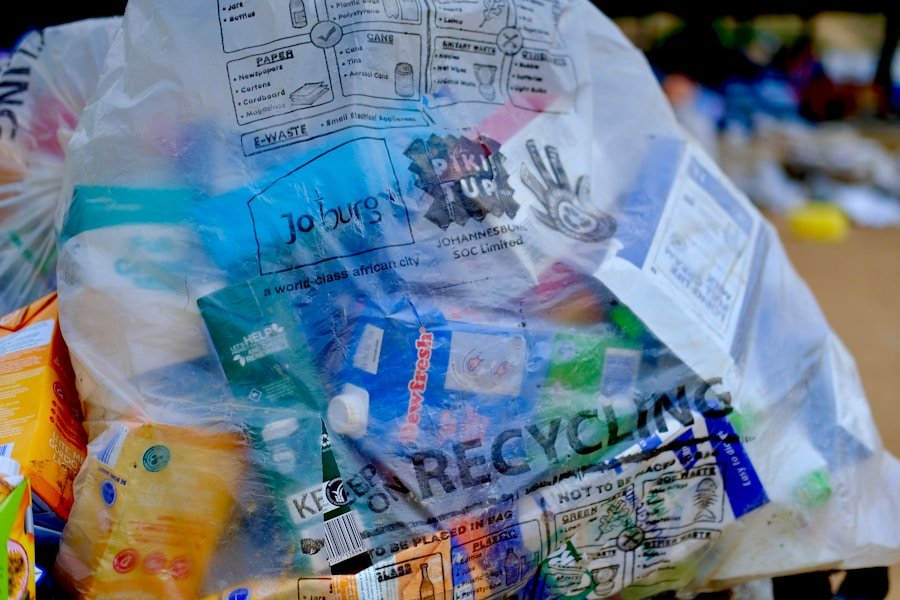
The concept of the circular economy has gained significant traction in recent years as a sustainable alternative to the traditional linear economy. In a linear economy, resources are extracted, used, and then disposed of as waste. This approach has led to significant environmental degradation and resource depletion. The circular economy, on the other hand, aims to minimize waste and maximize the value of resources by keeping them in circulation for as long as possible. This shift in mindset has redefined waste management, emphasizing the importance of reducing, reusing, and recycling materials to create a closed-loop system.
The circular economy has the potential to transform the way we produce and consume goods, leading to a more sustainable and regenerative economic model. By rethinking the way we design, produce, and consume products, we can minimize the environmental impact of our activities and create new opportunities for innovation and economic growth. The circular economy also presents an opportunity to address pressing global challenges such as climate change, resource scarcity, and pollution. As businesses and governments increasingly embrace the principles of the circular economy, there is a growing momentum towards creating a more sustainable and resilient future for generations to come.
Design Thinking: A Key Component in Circular Startups
Design thinking is a human-centered approach to innovation that has become a key component in the development of circular startups. This approach emphasizes empathy, creativity, and experimentation to solve complex problems and create innovative solutions. In the context of the circular economy, design thinking plays a crucial role in reimagining products, services, and systems to minimize waste and maximize resource efficiency. By understanding the needs and behaviors of users, designers can create products that are not only functional and aesthetically pleasing but also environmentally sustainable.
Circular startups that embrace design thinking are able to identify new opportunities for value creation and develop innovative business models that prioritize sustainability. By placing the needs of people and the planet at the center of their design process, these startups can create products and services that are more resilient, efficient, and environmentally friendly. Design thinking also enables circular startups to collaborate with stakeholders across the value chain, fostering a culture of co-creation and continuous improvement. As the demand for sustainable solutions continues to grow, design thinking will play an increasingly important role in driving innovation and shaping the future of circular design.
The Role of Sustainable Materials in Circular Design
Sustainable materials are a fundamental component of circular design, as they enable products to be reused, recycled, or composted at the end of their life cycle. These materials are sourced from renewable resources or recycled from post-consumer or post-industrial waste, reducing the environmental impact of production and consumption. By using sustainable materials, designers can create products that are not only durable and high-quality but also environmentally friendly. This shift towards sustainable materials is driving a transformation in the way products are designed, manufactured, and consumed, leading to a more circular and regenerative economy.
In recent years, there has been a growing interest in developing new sustainable materials that can replace traditional ones derived from fossil fuels or other non-renewable sources. These materials include bioplastics, bio-based textiles, and recycled metals, among others. By harnessing the potential of these materials, designers can create products that are biodegradable, non-toxic, and energy-efficient. Sustainable materials also offer new opportunities for innovation and differentiation in the marketplace, as consumers increasingly seek out products that align with their values and contribute to a more sustainable future. As the demand for sustainable materials continues to grow, there is a growing momentum towards creating a more circular and regenerative economy that prioritizes the use of renewable resources and minimizes waste.
Innovations in Upcycling and Repurposing Waste
Upcycling and repurposing waste have emerged as innovative solutions to minimize waste and create value from discarded materials. These approaches involve transforming waste into new products or materials with higher value or quality than the original ones. By upcycling and repurposing waste, designers can divert materials from landfills and reduce the environmental impact of production and consumption. This shift towards upcycling and repurposing waste is driving a transformation in the way we view waste, turning it from a problem into an opportunity for creativity and innovation.
In recent years, there has been a surge in upcycling initiatives across various industries, from fashion and textiles to furniture and construction. Designers are finding new ways to repurpose materials such as plastic bottles, old textiles, and discarded wood into new products with unique aesthetic and functional qualities. These innovations not only reduce the environmental impact of production but also contribute to the creation of new markets for sustainable products. Upcycling and repurposing waste also offer new opportunities for collaboration and co-creation across different sectors, fostering a culture of innovation and resourcefulness. As the demand for sustainable solutions continues to grow, there is a growing momentum towards creating a more circular economy that prioritizes the reuse and repurposing of materials.
Circular Design in Fashion and Textiles: A Case Study
The fashion and textiles industry has been a major contributor to environmental degradation and resource depletion due to its reliance on non-renewable resources and unsustainable production practices. However, in recent years, there has been a growing movement towards circular design in this industry, driven by a desire to minimize waste and create more sustainable products. Circular design in fashion and textiles involves rethinking the way products are designed, produced, used, and disposed of to create a closed-loop system that maximizes resource efficiency.
One example of circular design in fashion is the use of recycled or upcycled materials to create new garments with minimal environmental impact. Designers are finding new ways to repurpose old textiles or discarded clothing into new collections that are both fashionable and environmentally friendly. In addition, there is a growing interest in developing bio-based textiles derived from renewable resources such as bamboo, hemp, or organic cotton. These materials offer new opportunities for innovation and differentiation in the marketplace, as consumers increasingly seek out sustainable alternatives to traditional textiles. Circular design in fashion also involves rethinking business models to prioritize durability, repairability, and recyclability, leading to a more sustainable and regenerative industry.
The Economic and Environmental Benefits of Circular Startups
Circular startups offer significant economic and environmental benefits by reimagining products, services, and systems to minimize waste and maximize resource efficiency. By embracing the principles of the circular economy, these startups can create new opportunities for innovation and economic growth while reducing their environmental footprint. Circular startups also play a crucial role in driving the transition towards a more sustainable and regenerative economy by developing new business models that prioritize sustainability.
One of the key economic benefits of circular startups is the creation of new markets for sustainable products and services. By designing products with durability, repairability, and recyclability in mind, these startups can tap into growing consumer demand for environmentally friendly alternatives. This shift towards sustainability also offers new opportunities for differentiation in the marketplace, as consumers increasingly seek out products that align with their values and contribute to a more sustainable future. Circular startups also contribute to job creation and economic development by fostering a culture of innovation and resourcefulness across different sectors.
In addition to economic benefits, circular startups also offer significant environmental benefits by minimizing waste and reducing resource depletion. By rethinking the way products are designed, produced, used, and disposed of, these startups can create a closed-loop system that maximizes resource efficiency. This shift towards circularity also reduces greenhouse gas emissions, pollution, and other negative environmental impacts associated with traditional linear production models. As circular startups continue to gain momentum, there is a growing opportunity to create a more sustainable and regenerative economy that prioritizes the use of renewable resources and minimizes waste.
The Future of Circular Design: Challenges and Opportunities
The future of circular design presents both challenges and opportunities as businesses and governments increasingly embrace the principles of the circular economy. One of the key challenges is the need for collaboration across different sectors to create a more integrated approach to circular design. This involves breaking down silos between industries and fostering a culture of co-creation and continuous improvement. By working together towards common goals, businesses can develop innovative solutions that maximize resource efficiency while minimizing waste.
Another challenge is the need for investment in research and development to drive innovation in sustainable materials, upcycling technologies, and circular business models. This requires collaboration between governments, businesses, academia, and other stakeholders to support the development of new technologies that enable a more circular economy. By investing in research and development, businesses can create new opportunities for value creation while reducing their environmental footprint.
Despite these challenges, there are significant opportunities for businesses to lead the transition towards a more sustainable future through circular design. By embracing the principles of the circular economy, businesses can create new markets for sustainable products and services while reducing their environmental impact. This shift towards sustainability also offers new opportunities for differentiation in the marketplace as consumers increasingly seek out products that align with their values.
In conclusion, the circular economy has redefined waste management by emphasizing the importance of reducing, reusing, and recycling materials to create a closed-loop system that maximizes resource efficiency. Design thinking plays a crucial role in driving innovation in circular startups by placing the needs of people and the planet at the center of the design process. Sustainable materials are fundamental to circular design as they enable products to be reused, recycled or composted at the end of their life cycle. Innovations in upcycling and repurposing waste have emerged as innovative solutions to minimize waste while creating value from discarded materials.
Circular design in fashion involves rethinking business models to prioritize durability repairability recyclability leading to a more sustainable industry. Circular startups offer significant economic environmental benefits by creating new markets for sustainable products services while reducing their environmental footprint. The future of circular design presents both challenges opportunities as businesses governments increasingly embrace the principles of the circular economy.
One key challenge is collaboration across different sectors breaking down silos fostering co-creation continuous improvement. Another challenge is investment in research development driving innovation in sustainable materials upcycling technologies circular business models. Despite these challenges there are significant opportunities for businesses to lead the transition towards a more sustainable future through circular design creating new markets for sustainable products services while reducing their environmental impact.
In conclusion embracing principles of circular economy businesses can create new markets for sustainable products services while reducing their environmental impact offering new opportunities for differentiation marketplace as consumers increasingly seek out products that align with their values contribute to more sustainable future. Circular design presents an opportunity to address pressing global challenges such as climate change resource scarcity pollution creating more sustainable resilient future generations come.
In conclusion, embracing principles of the circular economy can enable businesses to create new markets for sustainable products and services while simultaneously reducing their environmental impact. This approach also offers new opportunities for differentiation in the marketplace, as consumers are increasingly seeking out products that align with their values and contribute to a more sustainable future. Circular design presents an opportunity to address pressing global challenges such as climate change, resource scarcity, and pollution, ultimately creating a more sustainable and resilient future for generations to come. By adopting circular economy principles, businesses can play a crucial role in driving positive change and shaping a more sustainable world.