
The linear transport model, which has been the dominant system for decades, is characterized by a one-way flow of goods and people from point A to point This model is based on the concept of a linear supply chain, where raw materials are extracted, processed, and transported to manufacturing facilities, then distributed to consumers, and finally disposed of as waste. This linear approach has led to a number of environmental and social issues, including congestion, pollution, and resource depletion.
In the current linear transport system, the focus is primarily on speed and efficiency, with little consideration for the environmental impact of transportation. This has resulted in a heavy reliance on fossil fuels, leading to high levels of greenhouse gas emissions and air pollution. Additionally, the linear model has led to the depletion of natural resources and the generation of large amounts of waste. As a result, there is a growing recognition of the need for a more sustainable and circular approach to transportation.
The Circular Transport Model: Understanding the Concept
The circular transport model is based on the principles of a circular economy, which aims to minimize waste and maximize the use of resources. In the context of transportation, this means rethinking the way goods and people are moved from one place to another. Instead of a linear flow, the circular transport model emphasizes closed-loop systems, where materials and products are reused, remanufactured, or recycled. This approach aims to create a more sustainable and efficient transport system that reduces environmental impact and promotes economic growth.
In the circular transport model, the focus is on creating a more integrated and interconnected system that considers the entire lifecycle of goods and people. This includes designing products and infrastructure for longevity and durability, as well as implementing strategies for efficient use and reuse of resources. By adopting a circular approach to transportation, it is possible to reduce waste, conserve natural resources, and minimize environmental impact. This can lead to a more resilient and sustainable transport system that meets the needs of society while protecting the planet.
The Benefits of Circular Transport for a Sustainable Future
The shift towards a circular transport model offers a number of benefits for creating a more sustainable future. One of the key advantages is the potential to reduce environmental impact by minimizing waste and resource depletion. By reusing and recycling materials, the circular transport model can help to conserve natural resources and reduce the need for new extraction and production. This can lead to lower levels of pollution and greenhouse gas emissions, as well as reduced energy consumption.
Additionally, the circular transport model can contribute to economic growth by creating new opportunities for innovation and job creation. By promoting the reuse and remanufacturing of products, there is potential for new industries to emerge, such as reverse logistics and refurbishment services. This can lead to the development of new business models and job opportunities, as well as increased economic resilience. Furthermore, by reducing the reliance on finite resources, the circular transport model can help to create a more stable and secure supply chain, reducing the risk of disruptions due to resource scarcity or price volatility.
Implementing Circular Transport: Challenges and Solutions
While the concept of circular transport offers many potential benefits, there are also significant challenges to implementing this model in practice. One of the main obstacles is the need for a fundamental shift in mindset and behavior, both at an individual and organizational level. This requires a change in how we design, produce, consume, and dispose of goods and services. It also requires collaboration across different sectors and stakeholders to create a more integrated and interconnected system.
Another challenge is the need for investment in new infrastructure and technologies that support circular transport. This includes developing new systems for collecting, sorting, and processing materials for reuse and recycling. It also involves designing products and packaging for durability and recyclability, as well as creating new business models that incentivize circular practices. Additionally, there is a need for policies and regulations that support circular transport, such as extended producer responsibility laws and incentives for sustainable transportation practices.
Case Studies: Successful Circular Transport Initiatives
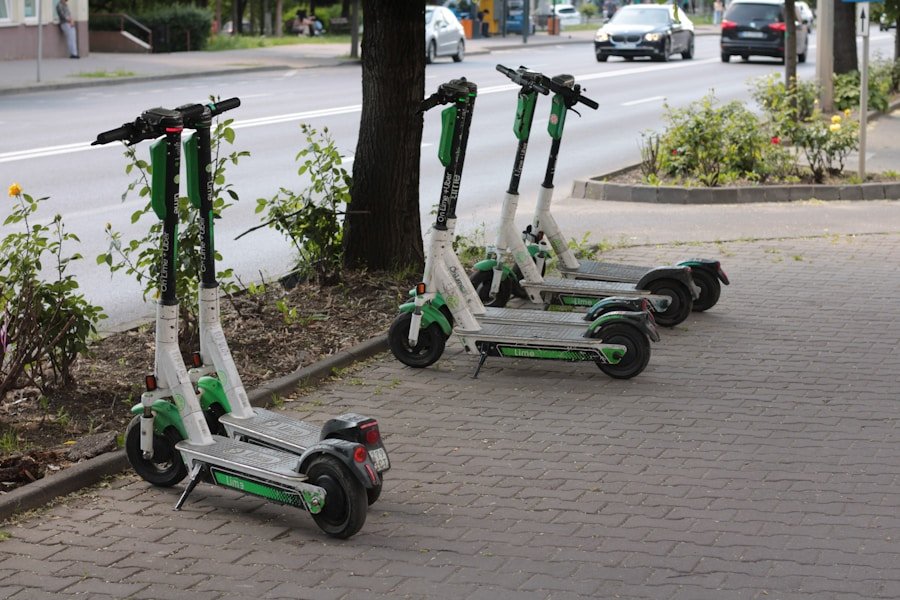
There are several examples of successful circular transport initiatives that demonstrate the potential of this model in practice. One such example is the city of Amsterdam, which has implemented a comprehensive strategy for promoting circular economy principles in transportation. This includes initiatives such as electric vehicle sharing programs, bike-sharing schemes, and innovative packaging solutions that promote reuse and recycling. These efforts have not only reduced environmental impact but also created new economic opportunities for local businesses.
Another example is the Ellen MacArthur Foundation’s New Plastics Economy initiative, which aims to create a more circular approach to plastic production and consumption. This initiative brings together stakeholders from across the plastics value chain to develop new solutions for reducing plastic waste and promoting reuse and recycling. By rethinking the way plastics are designed, used, and disposed of, this initiative has the potential to create a more sustainable and circular approach to plastic transportation.
The Role of Technology in Revolutionizing Transport
Technology plays a crucial role in revolutionizing transport towards a more circular model. One key area where technology can drive change is in the development of new materials and products that are designed for durability and recyclability. This includes innovations such as bio-based materials, 3D printing technologies, and smart packaging solutions that can be easily reused or recycled. Additionally, technology can enable new business models such as sharing platforms and digital marketplaces that promote the reuse and remanufacturing of products.
Another important role for technology in revolutionizing transport is in enabling more efficient logistics and supply chain management. This includes innovations such as real-time tracking systems, predictive analytics, and autonomous vehicles that can optimize routes and reduce waste in transportation. By leveraging technology, it is possible to create a more integrated and interconnected transport system that minimizes environmental impact while maximizing efficiency.
The Future of Circular Transport: Opportunities and Considerations
Looking ahead, there are many opportunities for advancing circular transport as a key component of a sustainable future. One opportunity is in creating new partnerships and collaborations across different sectors to promote circular practices in transportation. This includes working with manufacturers, retailers, logistics providers, and consumers to create a more integrated system that considers the entire lifecycle of goods and people.
Another opportunity is in leveraging digital technologies to create more transparent and traceable supply chains that promote circular practices. By using blockchain technology or other digital platforms, it is possible to track the movement of materials and products throughout their lifecycle, enabling better decision-making and accountability.
However, there are also considerations that need to be addressed in advancing circular transport. One consideration is in ensuring that circular practices are inclusive and equitable for all stakeholders. This includes addressing issues such as access to transportation services, fair labor practices, and social impacts of transitioning to a circular economy.
In conclusion, the shift towards a circular transport model offers many potential benefits for creating a more sustainable future. By rethinking the way goods and people are moved from one place to another, it is possible to reduce environmental impact while promoting economic growth. However, there are also significant challenges that need to be addressed in implementing this model in practice. By leveraging technology, creating new partnerships, and addressing considerations such as equity and inclusion, it is possible to advance circular transport as a key component of a sustainable future.