
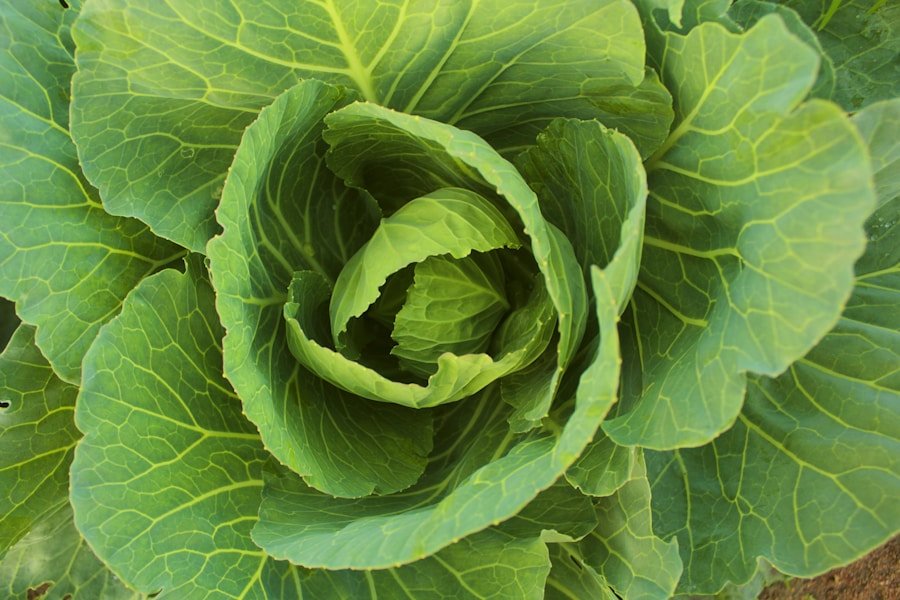
Circular agriculture is a sustainable approach to farming that aims to minimize waste and maximize the use of resources within the agricultural system. This approach is based on the principles of regenerative agriculture, which focuses on restoring and enhancing the health of the soil, and creating a closed-loop system where waste from one part of the system becomes a resource for another. Circular agriculture is a holistic approach that takes into account the entire agricultural ecosystem, including soil health, water management, and biodiversity. By adopting circular agriculture practices, farmers can reduce their environmental impact, improve soil health, and create a more sustainable and resilient food system.
Circular agriculture is gaining traction as a viable solution to the environmental challenges facing the agricultural industry. With the global population expected to reach 9.7 billion by 2050, there is increasing pressure on the agricultural sector to produce more food while minimizing its environmental impact. Circular agriculture offers a way to meet this growing demand for food while also addressing issues such as soil degradation, water scarcity, and biodiversity loss. By adopting circular agriculture practices, farmers can improve the health of their soil, reduce their reliance on synthetic inputs, and create a more sustainable and resilient food system.
The Importance of Soil Regeneration in Circular Agriculture
Soil regeneration is a key component of circular agriculture, as healthy soil is essential for the long-term sustainability of agricultural systems. Healthy soil is teeming with life, including bacteria, fungi, earthworms, and other microorganisms that play a crucial role in nutrient cycling and soil structure. However, modern agricultural practices, such as intensive tillage, monocropping, and excessive use of synthetic fertilizers and pesticides, have led to widespread soil degradation. This has resulted in loss of soil fertility, erosion, and decreased water retention capacity, all of which have negative impacts on crop productivity and environmental sustainability.
Circular agriculture aims to reverse this trend by implementing practices that promote soil regeneration. These practices include minimal tillage, cover cropping, crop rotation, and the use of organic fertilizers and compost. By adopting these practices, farmers can improve soil health, increase water retention capacity, and enhance nutrient cycling within the soil. This not only leads to increased crop productivity and resilience to climate change but also helps to mitigate environmental issues such as water pollution and greenhouse gas emissions. In addition, healthy soil can act as a carbon sink, sequestering carbon from the atmosphere and helping to mitigate climate change.
The Role of Circular Agriculture in Sustainable Market Growth
Circular agriculture has the potential to drive sustainable market growth by creating new opportunities for farmers, businesses, and consumers. By adopting circular agriculture practices, farmers can reduce their production costs, improve the quality of their products, and access new markets for sustainably produced food. This can lead to increased profitability for farmers and create new economic opportunities in rural communities. In addition, businesses that support circular agriculture, such as food processors, retailers, and restaurants, can differentiate themselves in the market by offering sustainably produced products that appeal to environmentally conscious consumers.
Circular agriculture also has the potential to create new value chains and business models that promote sustainability and resilience within the food system. For example, by creating closed-loop systems for waste management and resource use, businesses can reduce their environmental impact and create new revenue streams from waste products. In addition, circular agriculture can create opportunities for collaboration between different stakeholders in the food system, such as farmers, processors, retailers, and consumers, leading to more integrated and resilient supply chains. This can help to reduce food waste, improve food security, and create a more sustainable and equitable food system.
Case Studies: Successful Implementation of Circular Agriculture
There are numerous examples of successful implementation of circular agriculture practices around the world. One such example is the case of regenerative agriculture in Australia, where farmers have adopted practices such as holistic grazing management, cover cropping, and agroforestry to improve soil health and productivity. These practices have not only led to increased profitability for farmers but also improved environmental outcomes such as increased biodiversity and reduced greenhouse gas emissions. In addition, companies such as Patagonia Provisions have successfully implemented circular agriculture practices by sourcing ingredients from regenerative farms and using waste products to create new products such as regenerative organic beer.
Another example of successful implementation of circular agriculture is the case of urban farming in cities such as Detroit and Chicago. Urban farmers have adopted practices such as composting, rainwater harvesting, and rooftop gardening to create closed-loop systems that minimize waste and maximize resource use. These practices have not only led to increased access to fresh produce in urban areas but also created new economic opportunities for local residents. In addition, companies such as Gotham Greens have successfully implemented circular agriculture practices by using hydroponic systems to grow fresh produce in urban areas while minimizing water use and waste production.
Challenges and Opportunities in Circular Agriculture
While circular agriculture offers numerous benefits for farmers, businesses, and the environment, there are also challenges that need to be addressed in order to scale up its implementation. One of the main challenges is the lack of awareness and understanding of circular agriculture practices among farmers and consumers. Many farmers are still reliant on conventional agricultural practices that prioritize short-term productivity over long-term sustainability. In addition, consumers may not be aware of the environmental benefits of sustainably produced food or may be unwilling to pay a premium for these products.
Another challenge is the lack of supportive policies and incentives for circular agriculture. Many agricultural policies still favor conventional farming practices that rely on synthetic inputs and monocropping. In addition, there may be regulatory barriers that prevent farmers from implementing certain circular agriculture practices or accessing new markets for sustainably produced food. Furthermore, there may be a lack of financial support or technical assistance for farmers who want to transition to circular agriculture practices.
Despite these challenges, there are numerous opportunities for scaling up circular agriculture practices. For example, there is growing consumer demand for sustainably produced food, which creates opportunities for businesses to differentiate themselves in the market by offering products that are produced using circular agriculture practices. In addition, there is increasing recognition among policymakers of the need to support sustainable farming practices in order to address environmental issues such as soil degradation, water pollution, and climate change. Furthermore, there are opportunities for collaboration between different stakeholders in the food system, such as farmers, businesses, researchers, and policymakers, to create new value chains and business models that promote sustainability and resilience.
The Future of Circular Agriculture and Market Trends
The future of circular agriculture looks promising as more farmers, businesses, and consumers recognize the benefits of sustainable farming practices. There is growing interest in regenerative agriculture among farmers who are looking for ways to improve soil health and productivity while reducing their environmental impact. In addition, there is increasing consumer demand for sustainably produced food that is grown using circular agriculture practices. This creates opportunities for businesses to differentiate themselves in the market by offering products that appeal to environmentally conscious consumers.
In terms of market trends, there is increasing investment in sustainable agriculture from both public and private sectors. For example, governments may provide financial incentives or technical assistance for farmers who want to transition to circular agriculture practices. In addition, there is growing interest from investors in supporting businesses that are committed to sustainability and resilience within the food system. Furthermore, there is increasing collaboration between different stakeholders in the food system to create new value chains and business models that promote circular agriculture.
The Potential Impact of Circular Agriculture on Soil Regeneration and Market Growth
In conclusion, circular agriculture has the potential to make a significant impact on soil regeneration and market growth within the agricultural industry. By adopting circular agriculture practices, farmers can improve soil health, reduce their environmental impact, and create new economic opportunities. This can lead to increased productivity and resilience within the agricultural system while also addressing environmental issues such as soil degradation, water pollution, and climate change.
In order to realize the full potential of circular agriculture, it is important for farmers, businesses, policymakers, and consumers to work together to overcome challenges and seize opportunities. This may involve raising awareness about the benefits of circular agriculture practices among farmers and consumers, creating supportive policies and incentives for sustainable farming practices, and fostering collaboration between different stakeholders in the food system. By working together towards a more sustainable and resilient food system, we can create new value chains and business models that promote circular agriculture while also addressing environmental issues such as soil regeneration and market growth.