This article examines the principles, applications, and societal impact of “Green is the New Black: The Beauty and Benefits of Eco Growth Architecture.” The term “Eco Growth Architecture” describes a design philosophy that integrates ecological sustainability with economic viability and aesthetic appeal, aiming to foster symbiotic relationships between built environments and natural ecosystems. This approach moves beyond merely minimizing negative environmental impact to actively contributing to ecological restoration and human well-being.
Foundations of Eco Growth Architecture
Eco Growth Architecture is not a monolithic style but a set of guiding principles and practices. Its core tenet is the recognition that human development and environmental health are not mutually exclusive but, conversely, can be mutually reinforcing. This perspective is a departure from traditional architectural paradigms that often viewed natural resources as externalities or limitless commodities.
Ecological Integration
At its heart, ecological integration means designing buildings and urban spaces that function as components of a larger ecosystem. This involves understanding and mimicking natural processes, such as water cycles, nutrient flows, and energy transfer. For instance, buildings can be designed to capture and filter rainwater, much like a forest canopy, or to incorporate biophilic elements that connect occupants with nature. The goal is to create a seamless interface where the built environment supports, rather than detracts from, the surrounding natural systems. This is akin to weaving a garment where every thread contributes to the overall strength and beauty of the fabric.
Resource Efficiency and Circularity
A fundamental aspect of Eco Growth Architecture is its emphasis on resource efficiency. This encompasses using materials that are renewable, recycled, or have a low embodied energy. Beyond mere efficiency, the philosophy champions circularity – a system where materials are reused and repurposed at the end of their lifecycle, minimizing waste and the need for virgin resources. This is a paradigm shift from the linear “take-make-dispose” model, aiming for a closed-loop system where waste from one process becomes a resource for another, much like in a natural ecosystem where decomposition fuels new growth.
Biophilic Design Principles
Biophilic design, a key component of Eco Growth Architecture, seeks to reconnect humans with nature through the built environment. This involves incorporating natural light, ventilation, vegetation, and natural materials into architectural designs. Studies have shown that biophilic elements can improve occupant health, productivity, and overall well-being. The presence of natural patterns, textures, and views acts as a balm, counteracting some of the stresses of urban living. It’s like offering a window to the wild in the heart of the concrete jungle.
Social Equity and Community
While the ecological aspects are prominent, Eco Growth Architecture also prioritizes social equity and community well-being. Sustainable development must benefit all members of society, not just a select few. This can manifest in the provision of affordable eco-housing, the creation of accessible green spaces, and the integration of mixed-use developments that foster vibrant community interaction. The architecture should serve as a catalyst for stronger social bonds and a more equitable distribution of resources and opportunities.
Manifestations of Eco Growth Architecture
The principles of Eco Growth Architecture find expression in a diverse range of projects, from individual dwellings to large-scale urban planning initiatives.
Sustainable Building Materials and Technologies
The selection of materials is paramount. Architects and developers committed to Eco Growth Architecture favor materials such as bamboo, reclaimed timber, recycled steel, and innovative bio-based composites. The use of these materials extends beyond their environmental credentials; they often possess unique aesthetic qualities that contribute to the overall visual appeal of a structure. Furthermore, advancements in building technologies, such as passive solar design, advanced insulation, and smart building management systems, play a crucial role in optimizing energy performance and reducing operational carbon footprints. These technologies act as the finely tuned instruments that orchestrate a building’s environmental orchestra.
Large-scale projects often integrate renewable energy sources like solar panels, wind turbines, and geothermal systems. The concept of “net-zero energy” buildings, which generate as much energy as they consume, is becoming increasingly attainable. Furthermore, water conservation technologies, including rainwater harvesting, greywater recycling, and low-flow fixtures, are standard.
Green Roofs and Living Walls
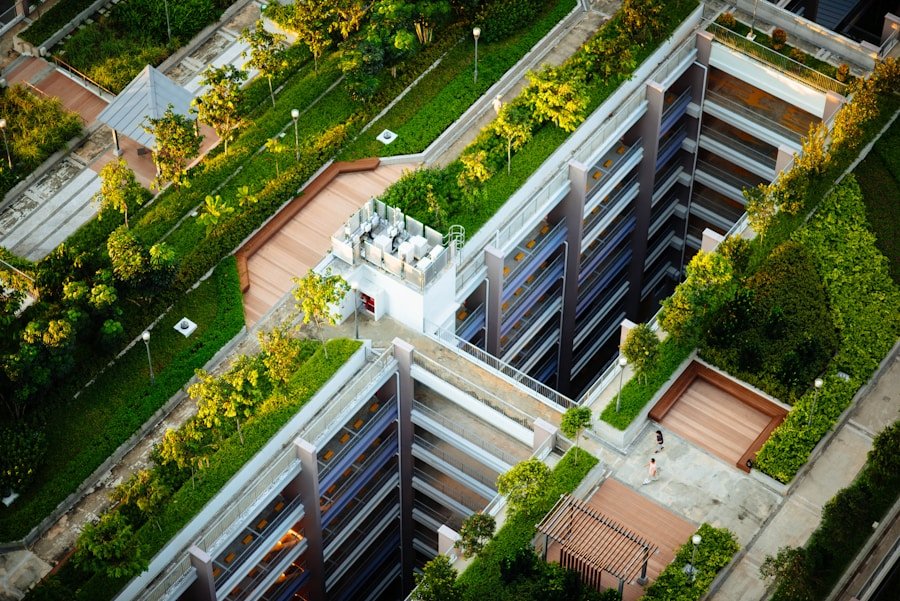
Green roofs and living walls are prominent features of Eco Growth Architecture. These elements provide numerous ecological benefits, including improved insulation, reduced stormwater runoff, enhanced biodiversity, and mitigation of the urban heat island effect. Visually, they soften the urban landscape, introducing pockets of green that are both aesthetically pleasing and ecologically functional. A green roof, for example, can act as a sponge, absorbing rainfall and releasing it slowly, preventing overwhelming drainage systems.
Adaptive Reuse and Retrofitting
Instead of demolishing existing structures, Eco Growth Architecture often embraces adaptive reuse. This involves repurposing older buildings for new functions, retaining their historical character while imbuing them with modern sustainable technologies. Retrofitting existing buildings to meet contemporary environmental standards is another vital strategy. By extending the lifespan of buildings, this approach significantly reduces the embodied energy associated with new construction and minimizes construction waste. It’s akin to giving a cherished heirloom a new lease on life with a modern, efficient mechanism.
Smart City Integration
At the urban planning level, Eco Growth Architecture informs the development of “smart cities” that prioritize sustainability, efficiency, and human well-being. This includes designing for walkability, cycling, and efficient public transportation, reducing reliance on private vehicles. The integration of green infrastructure, such as parks, urban farms, and permeable surfaces, is also crucial for managing water and air quality and promoting biodiversity. Smart technologies are employed to optimize energy consumption, waste management, and traffic flow, creating more livable and resilient urban environments.
The Benefits of Eco Growth Architecture
The adoption of Eco Growth Architecture yields a multifaceted array of benefits, impacting environmental, economic, and social spheres.
Environmental Resilience and Resource Preservation
The most direct benefit is enhanced environmental resilience. By minimizing reliance on fossil fuels, conserving water, and reducing waste, Eco Growth Architecture contributes to mitigating climate change and preserving finite natural resources. Projects designed with ecological principles in mind are better equipped to withstand the impacts of extreme weather events and ecological degradation. They act as stoic guardians of the planet.
Economic Advantages and Long-Term Value
Contrary to the perception that green building is more expensive, its long-term economic advantages are substantial. While initial investment in sustainable materials and technologies might be higher, operational costs for energy and water are significantly reduced. This translates into lower utility bills for occupants and owners. Furthermore, buildings designed with sustainability in mind often command higher resale values and attract a premium in the rental market. They are an investment in future value, not just immediate cost.
Improved Human Health and Well-being
The biophilic elements and reduced exposure to harmful substances inherent in Eco Growth Architecture contribute to improved human health. Better indoor air quality, increased natural light, and a stronger connection to nature have been linked to reduced stress levels, enhanced cognitive function, and better overall mental and physical well-being. These are not abstract benefits; they are tangible improvements to the quality of daily life.
Community Vibrancy and Social Cohesion
By fostering mixed-use developments, accessible green spaces, and efficient transportation networks, Eco Growth Architecture promotes community interaction and social cohesion. This can lead to more vibrant neighborhoods, a greater sense of belonging, and improved quality of life for residents. The architecture becomes a scaffold upon which communities can build and thrive.
Challenges and Future Trajectory
Despite its growing prominence, Eco Growth Architecture faces several challenges that influence its widespread adoption and future development.
Initial Cost Perceptions and Investment Barriers
One persistent challenge is the perception of higher upfront costs. While life-cycle cost analyses often demonstrate clear economic advantages, the initial capital investment for sustainable building materials and advanced technologies can be a barrier for developers and investors. Educating stakeholders on the long-term financial benefits and advocating for supportive financial incentives are crucial to overcoming this hurdle. The seed of a tree may seem small, but the fruits it bears are substantial over time.
Regulatory and Policy Frameworks
Existing building codes and zoning regulations may not always be designed to accommodate innovative sustainable practices. Streamlining approval processes, updating codes to reflect advancements in green building, and implementing supportive policies, such as tax incentives and subsidies for eco-friendly projects, are essential for facilitating growth. A clear and enabling regulatory environment provides the fertile ground for this architectural movement to flourish.
Skilled Labor and Material Availability
The burgeoning demand for Eco Growth Architecture necessitates a workforce skilled in sustainable construction techniques and an increased availability of sustainably sourced materials. Investing in training programs for construction professionals and supporting the development of local supply chains for green materials are vital steps in ensuring the continued growth of this sector. The craftspeople are the hands that shape the vision, and their expertise is paramount.
Scalability and Replication
While many successful Eco Growth Architecture projects exist, scaling these successes to address broader urban challenges remains a key objective. Developing replicable models and sharing best practices across different geographical and cultural contexts are important for widespread adoption. The goal is not a single masterpiece but a symphony of sustainable structures resonating across cities.
Conclusion: Towards a Sustainable Built Environment
| Metrics | Data |
|---|---|
| Energy Efficiency | 30% reduction in energy consumption |
| Water Conservation | 50% reduction in water usage |
| Carbon Emissions | 20% decrease in carbon emissions |
| Cost Savings | 10-20% reduction in operational costs |
| Health Benefits | Improved indoor air quality and occupant well-being |
Eco Growth Architecture represents a paradigm shift in how we conceive of, design, and construct our built environment. It acknowledges that human progress and ecological health are inextricably linked. By embracing principles of ecological integration, resource efficiency, biophilic design, and social equity, architects and urban planners are creating spaces that are not only beautiful and functional but also restorative and resilient.
The ongoing evolution of this architectural philosophy, driven by innovation, policy support, and increasing public awareness, points towards a future where buildings are not passive consumers of resources but active contributors to a thriving planet. As we continue to grapple with the complexities of climate change and resource scarcity, Eco Growth Architecture offers a compelling and practical pathway towards a more sustainable and equitable future for all. It is an invitation to build not just structures, but legacies that harmonize with the natural world.