
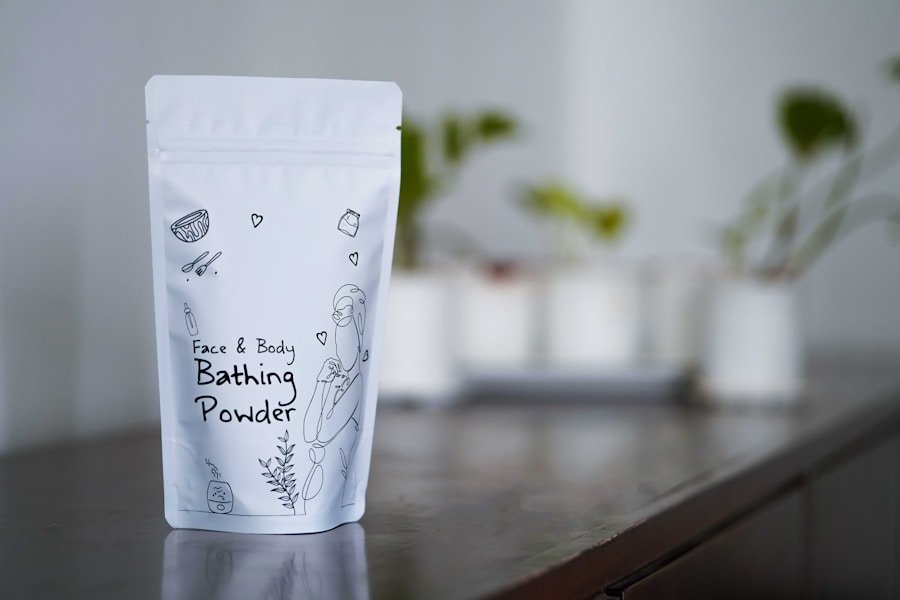
This article, “Discover the Best Sustainable Products with Our Master Guide: A Must-Read for Green Living Enthusiasts,” is an extensive resource designed for individuals committed to integrating environmentally responsible practices into their daily lives. It navigates the complex landscape of sustainable consumption, offering a framework for discerning genuine eco-friendly options from mere greenwashing. As a reader, you are invited to explore the foundational principles, diverse product categories, and critical evaluation metrics that define sustainable living. This guide serves not as a prescriptive dogma, but as a compass, directing you towards conscious choices that benefit both personal well-being and planetary health.
Understanding Sustainable Products
Sustainable products are those designed, produced, and used in a manner that minimizes negative environmental impacts while maximizing social and economic benefits. They represent a fundamental shift from the linear “take-make-dispose” model to a circular economy, where resources are conserved, waste is minimized, and ecosystems are respected.
The Pillars of Sustainability
Sustainability rests on three interconnected pillars: environmental, social, and economic. A truly sustainable product addresses all three.
Environmental Responsibility
This pillar focuses on minimizing ecological footprint. It encompasses factors such as resource depletion (raw materials, energy, water), pollution (air, water, soil), biodiversity loss, and climate change. Products with low environmental impact typically utilize renewable resources, employ energy-efficient manufacturing processes, and generate minimal waste. They are often durable, repairable, and ultimately recyclable or compostable. Consider a tree, which provides shade, oxygen, and habitat throughout its life, and when it falls, enriches the soil – a perfect metaphor for environmental responsibility.
Social Equity
The social pillar concerns fair labor practices, safe working conditions, community engagement, and ethical supply chains. It ensures that the production of goods does not exploit workers or harm communities. This includes fair wages, no child labor, and respect for human rights across the entire value chain.
Economic Viability
For a product to be sustainable in the long term, its production and consumption must be economically feasible. This implies competitive pricing, job creation, and fostering local economies without sacrificing environmental or social principles. While some sustainable products may initially appear more expensive, their long-term value often outweighs upfront costs due to durability, efficiency, and reduced environmental externalities.
The Lifecycle Assessment (LCA)
A cornerstone of evaluating product sustainability is the Lifecycle Assessment (LCA). This comprehensive methodology systematically assesses the environmental impacts associated with all stages of a product’s life, from raw material extraction through processing, manufacturing, distribution, use, repair or maintenance, and disposal or recycling.
Cradle-to-Grave Analysis
This traditional LCA approach covers the entire product lifecycle, providing a holistic view of its environmental burden. It helps identify “hotspots” where significant environmental impacts occur, enabling targeted improvements.
Cradle-to-Cradle Design
Building upon LCA, the cradle-to-cradle concept emphasizes designing products for continuous cycles of use and reuse, eliminating waste entirely. Materials are categorized as biological nutrients (compostable) or technical nutrients (recoverable and reusable without loss of quality). This approach envisions products as participants in a perpetual, regenerative economy, much like a thriving ecosystem where every element serves a purpose and returns to the cycle.
Decoding Eco-Labels and Certifications
The marketplace is replete with various eco-labels and certifications, which can be both helpful and confusing. Understanding their meaning and credibility is crucial for informed purchasing. Not all labels hold the same weight; some are robust, third-party verified, while others are self-declared or less stringent.
Types of Eco-Labels
Eco-labels generally fall into three categories as defined by the International Organization for Standardization (ISO): Type I, Type II, and Type III.
Type I: Third-Party Certifications
These are voluntary, multi-criteria, third-party programs that award a license to use environmental labels on products indicating overall environmental preferability. Examples include Nordic Swan, EU Ecolabel, and Blue Angel. These labels are typically transparent, backed by scientific evidence, and involve independent verification, making them reliable indicators of environmental performance.
Type II: Self-Declared Environmental Claims
These are internal claims made by manufacturers about the environmental attributes of their own products. Examples include “recycled content” or “biodegradable.” While these claims can be accurate, they lack independent verification and may be subject to greenwashing if not substantiated. You are advised to look for specific percentages and explanations.
Type III: Environmental Product Declarations (EPDs)
EPDs are standardized, transparent, and comprehensive reports that quantify the environmental performance of a product across its lifecycle. They are based on LCA data and are independently verified. EPDs provide detailed, objective information, allowing for direct comparison between similar products, much like a nutrition label provides detailed information about food.
Sustainable Product Categories
The scope of sustainable products is vast, extending across nearly every consumer category. This guide highlights key areas where sustainable choices can have a significant impact.
Home and Living
This category encompasses products used in daily household activities, from construction materials to cleaning supplies.
Energy Efficiency
Products like ENERGY STAR certified appliances, LED lighting, and smart thermostats reduce energy consumption, lowering utility bills and carbon emissions. Investing in these items is like plugging a leak in your energy budget.
Water Conservation
Low-flow showerheads, dual-flush toilets, and water-efficient washing machines significantly reduce water usage, a critical resource. Consider them as guardians of your water supply.
Non-Toxic Cleaning Supplies
Choose products made with natural, biodegradable ingredients, free from harsh chemicals, phthalates, and parabens, which can harm indoor air quality and aquatic ecosystems. These products protect both your health and the environment.
Sustainable Furniture and Decor
Opt for furniture made from reclaimed, recycled, or sustainably harvested wood (FSC certified) and textiles made from organic cotton, hemp, or recycled materials. Longevity and timeless design also contribute to sustainability.
Personal Care and Beauty
The personal care industry often uses synthetic ingredients, excessive packaging, and contributes to microplastic pollution. Sustainable options mitigate these issues.
Reef-Safe Sunscreen
Chemical sunscreens containing oxybenzone and octinoxate can harm coral reefs. Choose mineral-based sunscreens with zinc oxide or titanium dioxide.
Solid Bar Products
Shampoo bars, conditioner bars, and soap bars reduce the need for plastic packaging, minimizing waste. They are the epitome of “less is more.”
Organic and Natural Ingredients
Prioritize products with certifications like USDA Organic or Ecocert, indicating ingredients sourced and processed without synthetic pesticides or harmful chemicals.
Refillable Options
Many brands now offer refillable containers for lotions, deodorants, and makeup, significantly reducing plastic waste.
Fashion and Apparel
The fashion industry has a considerable environmental footprint, from water consumption to chemical use and waste generation.
Organic and Sustainable Textiles
Look for clothing made from organic cotton, linen, hemp, Tencel (lyocell), or recycled materials like recycled polyester or nylon. These materials require fewer resources and often have a lower environmental impact during production.
Fair Trade Certified Apparel
Supports ethical labor practices and fair wages for garment workers in developing countries. It ensures the human element of production is not overlooked.
Durability and Longevity
Invest in high-quality, well-made garments that will last, rather than participating in fast fashion cycles. A durable piece of clothing is a long-term companion, not a fleeting trend.
Secondhand and Upcycled Fashion
Embracing thrifting, vintage shopping, and upcycled clothing reduces the demand for new production and extends the life of existing garments.
Food and Drink
The food system faces challenges related to land use, water consumption, pesticide use, and food waste.
Local and Seasonal Produce
Buying from local farmers reduces transportation emissions and supports local economies. Eating seasonally ensures freshness and reduced reliance on energy-intensive growing methods.
Organic and Regenerative Agriculture
Chooses products grown without synthetic pesticides, herbicides, or GMOs. Regenerative agriculture practices go further by focusing on soil health, biodiversity, and carbon sequestration.
Plant-Based Options
Reducing meat and dairy consumption can significantly lower environmental impact due to the resource intensity of animal agriculture.
Minimizing Food Waste
Plan meals, store food properly, and compost food scraps to reduce the vast amount of food wasted globally each year.
Evaluating Product Claims and Brands
Simply bearing an eco-label is not always sufficient. A deeper dive into a brand’s overall commitment to sustainability is often required. You, the discerning consumer, must become a detective.
Transparency and Corporate Responsibility
True sustainable brands are transparent about their supply chains, manufacturing processes, and environmental performance data. They publish sustainability reports and engage in open dialogue with stakeholders.
Supply Chain Audits
Look for companies that conduct regular audits of their supply chains to ensure ethical labor practices and environmental compliance. They want you to see what’s behind the curtain.
Ethical Sourcing
Inquires into how raw materials are sourced, ensuring they come from responsible producers who respect human rights and environmental regulations.
Durability and Repairability
A product designed to last and be easily repaired minimizes waste and extends its usable life. Consider the total cost of ownership, not just the initial purchase price.
Warranty and Support
Brands offering extended warranties and readily available spare parts demonstrate a commitment to product longevity.
Modular Design
Products with modular components allow for easy replacement of individual parts, extending the overall lifespan of the item.
Packaging and Waste Reduction
Examines packaging for minimal materials, recycled content, and recyclability or compostability.
Plastic-Free Alternatives
Prioritize products with packaging made from glass, metal, paper, or compostable materials. The less plastic in the world, the better.
Refill and Reuse Programs
Support brands that encourage customers to refill containers or participate in take-back programs for packaging.
The Consumer as an Agent of Change
| Product Category | Number of Products | Environmental Impact Rating |
|---|---|---|
| Home Cleaning | 25 | 4.5/5 |
| Personal Care | 30 | 4/5 |
| Clothing | 20 | 4.2/5 |
| Food & Beverage | 35 | 4.8/5 |
Your choices as a consumer wield significant power. Each purchase is a vote for the kind of world you wish to inhabit. This master guide is not merely a list of products; it is an invitation to embody conscious consumption.
Mindful Consumption
Before purchasing, ask yourself: Do I truly need this? Can I borrow, repair, or buy secondhand instead? This reflective approach reduces impulse buying and reinforces a thoughtful consumption pattern.
Advocate for Change
Demand transparency and accountability from brands. Share your feedback, support policies that promote sustainability, and encourage others to adopt green living practices. Your voice, when amplified by others, becomes a powerful chorus for change.
Continuous Learning
The landscape of sustainable products and practices is constantly evolving. Stay informed about new innovations, certifications, and research to refine your understanding and choices. This journey is a lifelong exploration, and you are its intrepid voyager.
By utilizing this master guide, you are equipped with the knowledge and tools to navigate the sustainable product market effectively. You are no longer a passive consumer but an active participant in building a more equitable and environmentally sound future. Embark on this journey with purpose, making choices that resonate with your values and contribute to a healthier planet.