
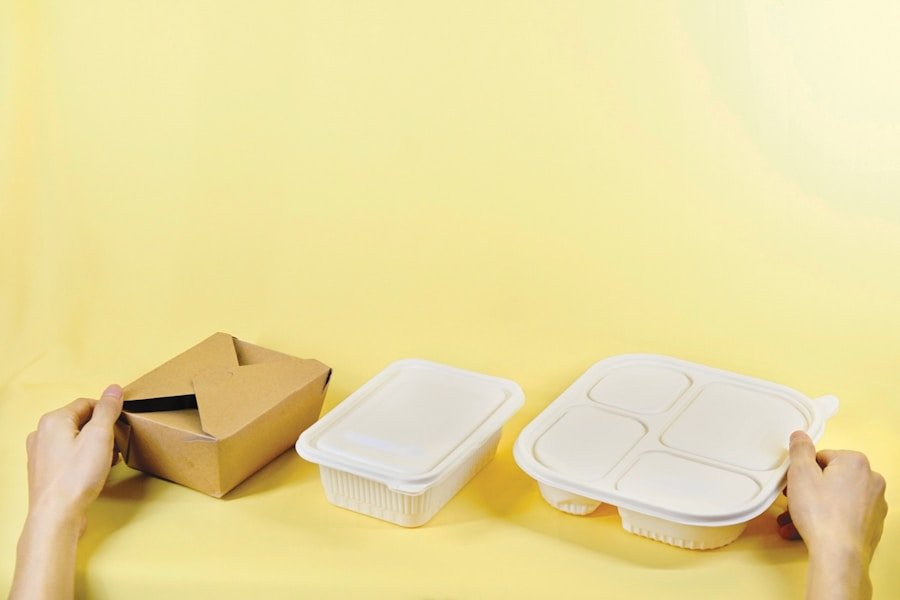
Understanding Eco-Friendly Product Development
Eco-friendly product development is a strategic approach to designing, manufacturing, and distributing products with a minimized environmental footprint. It moves beyond mere compliance with regulations to proactively embed sustainability throughout the entire product lifecycle. This encompasses considerations from raw material sourcing to end-of-life disposal. The objective is to create products that meet consumer needs without compromising the ability of future generations to meet their own. This involves making conscious choices at every stage, from the initial concept to the final sale and disposal. It’s a shift in perspective from a linear “take-make-dispose” model to a circular one, where resources are kept in use for as long as possible.
Defining Sustainability in Product Design
Sustainability, in the context of product development, refers to the ability to meet present needs without diminishing the capacity of future generations to meet their own. For products, this translates into minimizing negative environmental impacts across their lifecycle. This includes reducing greenhouse gas emissions, conserving natural resources, minimizing waste generation, and protecting biodiversity. It also involves considering the social and economic aspects of production and consumption, ensuring fair labor practices and supporting local economies.
The Triple Bottom Line: People, Planet, Profit
The concept of the triple bottom line, often abbreviated as “TBL” or “3BL,” provides a framework for evaluating sustainability. It suggests that businesses should focus not only on financial profit but also on social and environmental responsibility.
Environmental Impact
This pillar focuses on the planet. It involves assessing and mitigating a product’s impact on ecosystems, natural resources, and climate change. This can include measuring carbon emissions, water usage, waste generation, and the use of hazardous substances. The goal is to reduce these negative externalities.
Social Equity
This pillar addresses people. It encompasses fair labor practices, safe working conditions, community engagement, and product safety for consumers. It ensures that the development and production of a product do not exploit individuals or communities.
Economic Viability
This pillar concerns profit. It ensures that sustainable practices are financially sound and contribute to the long-term economic health of the business. This does not mean sacrificing profit for sustainability, but rather finding ways for them to coexist and even enhance each other.
Lifecycle Assessment (LCA) as a Tool
Lifecycle Assessment (LCA) is a systematic method for evaluating the environmental impacts of a product or service throughout its entire life cycle. This includes raw material extraction, manufacturing, distribution, use, and disposal. LCA provides a comprehensive understanding of where environmental burdens occur, allowing for informed decision-making to reduce those impacts. It acts as a compass, guiding development towards more sustainable pathways.
Stages of Lifecycle Assessment
An LCA typically follows a standardized process, often guided by ISO 14040 and 14044 standards.
Goal and Scope Definition
The initial phase involves clearly defining the purpose of the study and the system boundaries. This includes identifying the product or service being analyzed and the specific environmental impacts being investigated.
Inventory Analysis
This stage involves collecting data on all inputs and outputs of the product system. This includes raw materials, energy, water, and emissions to air, water, and soil. This is akin to taking a detailed inventory of everything that goes into and comes out of the product’s life journey.
Impact Assessment
In this phase, the collected inventory data is translated into potential environmental impacts. This typically involves categorizing impacts into areas such as global warming potential, acidification potential, and eutrophication potential.
Interpretation
The final stage involves drawing conclusions and making recommendations based on the results of the LCA. This can inform product design, manufacturing processes, and end-of-life management strategies.
Integrating Eco-Design Principles
Eco-design, also known as sustainable design, is the practice of considering environmental impacts at the earliest stages of product development. It aims to reduce the environmental footprint of a product from cradle to grave without compromising its functionality, cost, and aesthetics. This is about building sustainability into the very DNA of a product.
Designing for Durability and Longevity
Products designed for durability and longevity are less likely to be discarded prematurely. This reduces the need for frequent replacements, thereby conserving resources and minimizing waste. This involves selecting robust materials and designing for ease of repair.
Material Selection for Durability
Choosing materials that can withstand wear and tear is crucial. This might involve opting for stronger alloys, impact-resistant plastics, or naturally resilient fibers. The goal is to create products that stand the test of time.
Modular Design and Repairability
Designing products with modular components allows for easier replacement of individual parts if they fail. This extends the product’s lifespan and reduces the amount of waste generated compared to discarding the entire product. Making a product repairable is like giving it a second lease on life.
Material Innovation and Sourcing
The choice of materials has a significant impact on a product’s environmental footprint. Sustainable material sourcing and innovation are key to reducing this impact.
Recycled and Recyclable Materials
Utilizing materials that have been recycled or can be easily recycled at the end of the product’s life is a cornerstone of eco-friendly design. This closes the loop in the material cycle.
Post-Consumer Recycled Content
Incorporating materials that have been used by consumers and then processed for reuse. This diverts waste from landfills and reduces the demand for virgin resources.
Recyclability by Design
Ensuring that product components can be effectively separated and processed by existing recycling infrastructure. This requires careful consideration of material combinations and assembly methods.
Biodegradable and Compostable Materials
For certain applications, materials that can decompose naturally without leaving harmful residues are preferable.
Bioplastics and Plant-Based Alternatives
Exploring alternatives to traditional petroleum-based plastics derived from renewable resources.
Industrial Composting Standards
Understanding and adhering to standards for materials intended for industrial composting facilities.
Responsibly Sourced Renewable Materials
Prioritizing materials that are harvested sustainably, ensuring regeneration and minimal damage to ecosystems.
Forest Stewardship Council (FSC) Certification
For wood-based products, seeking certification from organizations that guarantee responsible forest management.
Organic Cotton and Bamboo
Exploring plant-based materials cultivated with minimal environmental impact.
Minimizing Waste and Packaging
Reducing waste throughout the product lifecycle, from manufacturing to consumer use and disposal, is a critical aspect of eco-friendly development. Packaging is often a significant contributor to waste.
Lean Manufacturing Principles
Implementing lean manufacturing techniques to optimize production processes, reduce scrap, and minimize resource consumption.
Just-in-Time Inventory
Minimizing excess materials by receiving them only when needed for production.
Continuous Improvement (Kaizen)
Fostering a culture of ongoing refinement to eliminate waste and inefficiency.
Sustainable Packaging Solutions
Designing packaging that uses minimal material, is recyclable or compostable, and offers adequate protection.
Eliminating Single-Use Plastics in Packaging
Substituting problematic plastic packaging with more sustainable alternatives.
Designing for Reusability or Refillability
Creating packaging systems that can be used multiple times or refilled with product.
Implementing Sustainable Manufacturing Processes
The manufacturing stage is a significant opportunity to reduce environmental impact. Implementing sustainable practices in production can lead to significant savings in resources and energy.
Energy Efficiency and Renewable Energy Sources
Reducing energy consumption and transitioning to renewable energy sources are vital for sustainable manufacturing.
Optimizing Machine Efficiency
Investing in energy-efficient machinery and implementing regular maintenance to ensure optimal performance.
Variable Frequency Drives (VFDs)
Using VFDs to control motor speeds, reducing energy consumption when full power is not required.
High-Efficiency Motors
Selecting motors with higher efficiency ratings for reduced energy draw.
On-Site Renewable Energy Generation
Installing solar panels or wind turbines to generate clean energy for manufacturing operations.
Solar Photovoltaic (PV) Systems
Harnessing solar power to meet electricity demands.
Small-Scale Wind Turbines
Utilizing wind energy, particularly in suitable geographic locations.
Purchasing Renewable Energy Credits (RECs)
Supporting renewable energy projects by purchasing credits that represent electricity generated from renewable sources.
Water Conservation and Wastewater Management
Responsible water usage and effective wastewater treatment are crucial for environmental stewardship.
Water Recycling and Reuse Systems
Implementing closed-loop systems to treat and reuse water within the manufacturing process.
Filtration and Purification Technologies
Employing advanced systems to remove contaminants and make water suitable for reuse.
Cooling Tower Optimization
Managing water evaporation and blowdown in cooling systems to conserve water.
Pollution Prevention and Treatment
Implementing measures to prevent pollutants from entering waterways and treating any discharged wastewater.
Strict Effluent Monitoring
Regularly testing wastewater to ensure compliance with environmental standards.
Green Chemistry Principles in Manufacturing
Utilizing chemical processes that reduce or eliminate the use and generation of hazardous substances.
Marketing and Communicating Sustainability Efforts
Effectively communicating sustainability efforts to consumers is essential for building trust and brand loyalty. Transparency and authenticity are key.
Transparent Reporting and Certification
Providing clear and verifiable information about a product’s environmental credentials.
Environmental Product Declarations (EPDs)
Standardized documents that provide quantified environmental data for products based on LCA. EPDs act as a nutritional label for environmental impact.
Type III Declarations
EPDs often fall under ISO Type III environmental declarations, ensuring standardized reporting.
Verifiable Data and Third-Party Review
Ensuring that the data within an EPD is accurate and has been independently verified.
Eco-labels and Certifications
Seeking recognized certifications that demonstrate adherence to specific environmental standards.
Cradle to Cradle Certified
A rigorous certification program that assesses products across five categories: material health, material reutilization, renewable energy and carbon, water stewardship, and social fairness.
Energy Star Certification
Recognizes energy-efficient products, primarily in the consumer electronics and appliance sectors.
Avoiding Greenwashing and Misleading Claims
It is crucial to be truthful and accurate in sustainability marketing to maintain consumer trust. Greenwashing, the practice of making unsubstantiated or exaggerated environmental claims, can damage a brand’s reputation.
Substantiating Claims with Data
Ensuring that all environmental claims are backed by credible evidence and data.
Using LCA Results for Marketing Claims
Leveraging the findings from Lifecycle Assessments to support specific sustainability statements.
Third-Party Verification of Claims
Seeking external validation for marketing messages related to environmental performance.
Honesty and Specificity in Messaging
Being precise and truthful about the environmental benefits of a product.
Focusing on Specific Improvements
Highlighting measurable reductions in energy consumption, waste, or emissions.
Acknowledging Limitations
Being transparent about areas where further environmental improvements are needed.
The Future of Eco-Friendly Product Development
The field of eco-friendly product development is continuously evolving, driven by innovation, consumer demand, and regulatory changes. Looking ahead, several trends are poised to shape its future.
Circular Economy Models
The shift towards a circular economy, where resources are kept in use for as long as possible, is gaining momentum. This means designing products for disassembly, repair, and remanufacturing.
Product-as-a-Service (PaaS) Models
Companies retain ownership of products and offer them as a service to consumers. This incentivizes durability and closed-loop systems.
Subscription Services for Products
Consumers pay for the use of a product rather than outright ownership, encouraging manufacturers to build long-lasting and easily maintained goods.
Leasing and Rental Models
Similar to PaaS, these models focus on extended product use and return.
Designing for Disassembly and Reassembly
Creating products that can be easily taken apart into their constituent components for repair, refurbishment, or recycling.
Modular Product Architecture
Designing products with standardized interfaces that allow for simple removal and replacement of parts.
Material Separation Strategies
Planning for the effective separation of different materials during the end-of-life phase.
Biophillic Design and Nature-Inspired Solutions
Incorporating elements of nature into product design can enhance human well-being and reduce environmental impact.
Biomimicry in Design
Learning from and emulating nature’s designs and processes to solve complex challenges.
Structural Efficiency from Natural Forms
Drawing inspiration from the strength and efficiency of natural structures, such as honeycomb or bone.
Material Properties Inspired by Biology
Developing new materials that mimic the properties of biological substances.
Using Natural Materials and Processes
Integrating naturally occurring materials and processes into product development.
Utilizing Renewable Biomass for Materials
Sourcing materials from rapidly growing plants or agricultural waste.
Biodegradable Packaging from Fungi or Algae
Exploring innovative packaging solutions derived from natural and biodegradable organisms.
Emerging Technologies and Innovations
Advancements in technology are opening new avenues for sustainable product development.
3D Printing for Reduced Waste and On-Demand Production
Additive manufacturing can create products with minimal material waste and enable localized, on-demand production.
Minimizing Material Offcuts
3D printing builds products layer by layer, significantly reducing the amount of unused material.
Localized Manufacturing and Reduced Transportation Emissions
Enabling production closer to the point of consumption, cutting down on shipping distances and their associated carbon footprint.
Advanced Recycling and Upcycling Technologies
Innovations in recycling and upcycling are enabling the recovery of a wider range of materials and the creation of higher-value products from waste.
Chemical Recycling of Plastics
Breaking down plastics into their basic chemical components for re-polymerization into new materials.
Upcycling Textile Waste into New Products
Transforming discarded garments or fabric scraps into new fashion items or other valuable goods.
Advanced Sorting and Separation Technologies
Employing AI and robotics to improve the accuracy and efficiency of waste stream sorting.
Embracing eco-friendly product development is no longer just an ethical choice; it is a strategic imperative for long-term business success. It requires a commitment to innovation, a deep understanding of environmental impacts, and a willingness to rethink traditional approaches to product creation. By weaving sustainability into the fabric of every decision, businesses can not only mitigate their environmental footprint but also unlock new opportunities for growth, resilience, and positive impact.